

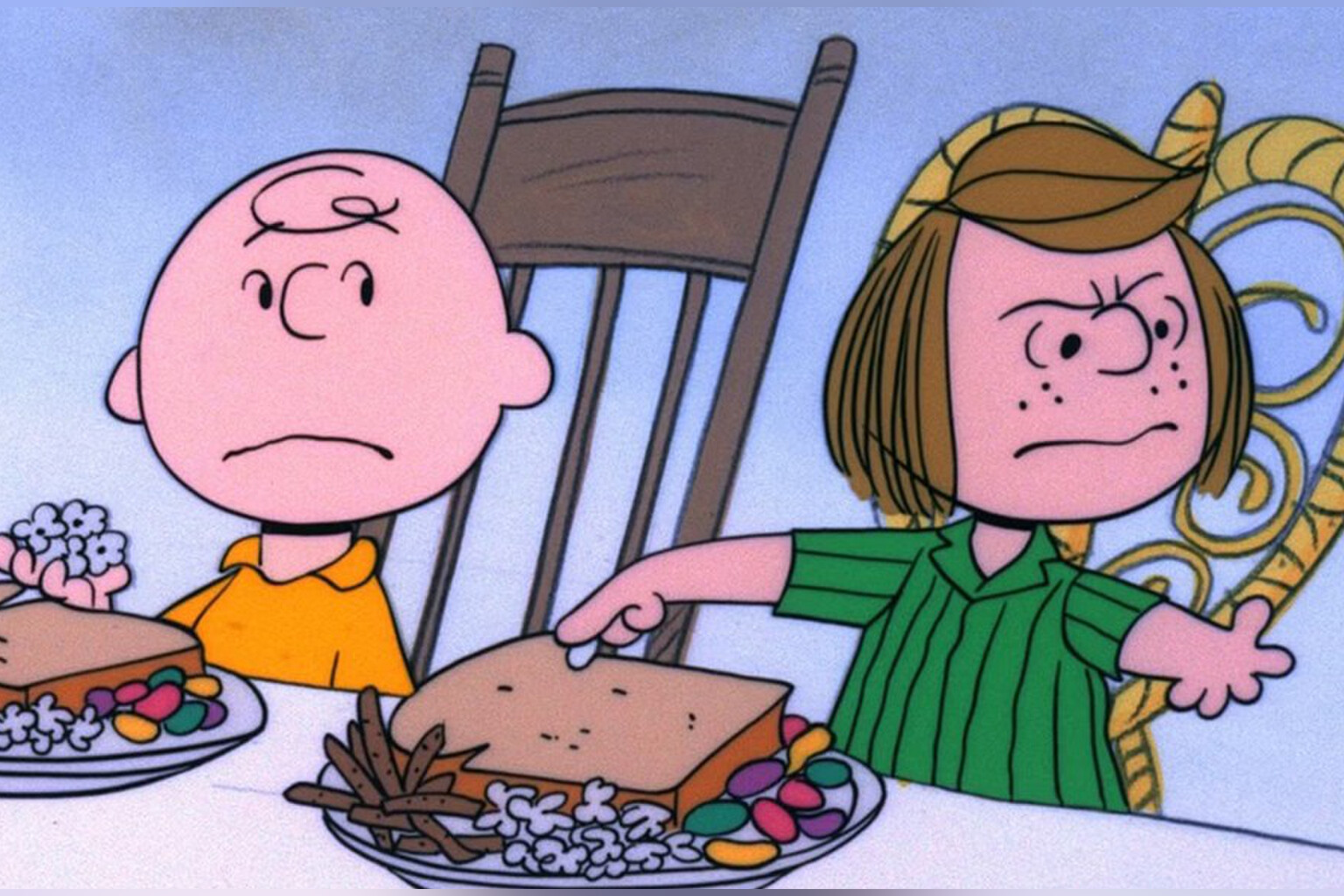
Todd Barbee revealed he collected no residuals for nearly five decades after voicing Charlie Brown.
Barbee, 63, told podcast host Joseph Sibilia on “Nostalgia Tonight with Joe Sibilia” that his childhood performance in 1973’s “A Charlie Brown Thanksgiving” was governed by a buyout contract from the 1970s that Screen Actors Guild and AFTRA later banned. “We were actually under an old contractual relationship from the ’70s that is no longer allowed by Screen Actors Guild and AFTRA, which is American Federation of Television and Radio Artists,” Barbee explained. “The contract was a buyout, and that is not allowed by the unions anymore. I think it was overturned in the ’80s.”
“So, we did not receive any residuals at all,” he continued. “In fact, I didn’t receive a single residual until about six years ago.”
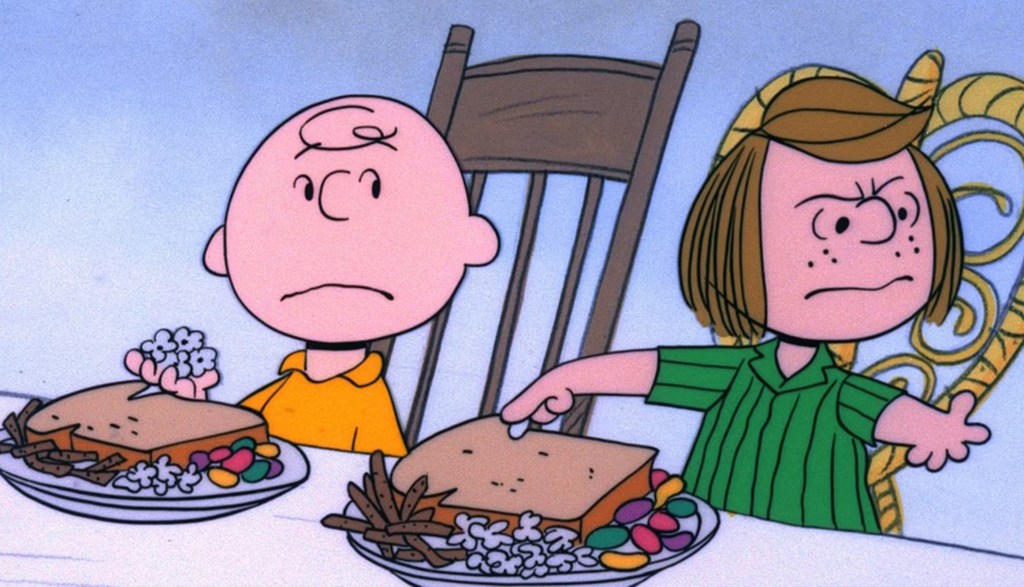
The initial gig paid “pretty handsomely” in 1970s dollars, and Barbee used the money to help his mother purchase the house she still occupies following his parents’ divorce. Yet as the special became a generational holiday staple, those checks never materialized. From 1972 to 1974, Barbee voiced multiple “Peanuts” characters across five television specials, part of a rotating cast of child actors producers selected for authentic youthful voices.
“They were looking for kids whose voices hadn’t changed,” Barbee told Sibilia. “They really … had an idea about the intonation and the character of the voice, and it needed to be a kid’s voice.”
That casting approach came with a built-in expiration date. “One of the things that’s very interesting about all the characters in ‘Peanuts’ is you got a ‘Dear John’ letter the moment your voice changed,” Barbee said. “And so, there was an audition. They wanted to do a number of specials at the same time, one after the other. They were talking about Thanksgiving and Easter and others.”
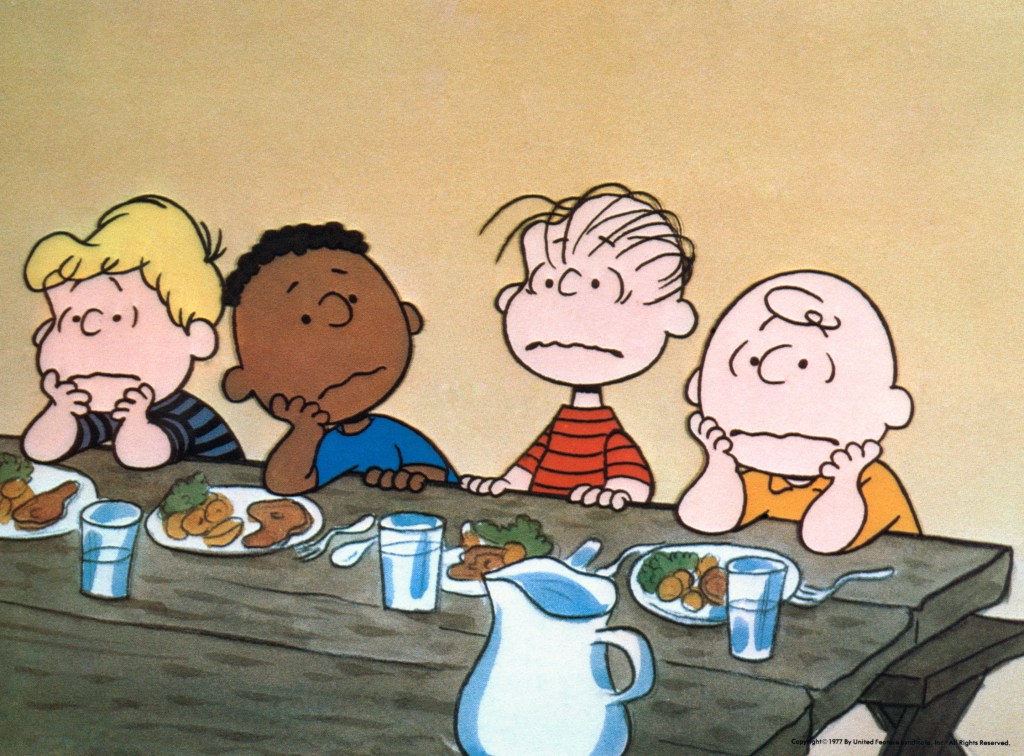
Barbee was roughly 10 years old when producers tapped him for Charlie Brown. “The next thing you know, they had me voice for Charlie Brown and they selected me,” he recalled. After his voice changed and the roles dried up, he left acting entirely and built a career in graphic, commercial and site design in the San Francisco Bay Area. His portfolio includes the site plan for Fisherman Wharf’s observation wheel and its inaugural seasonal outdoor ice-skating rink—a fitting echo of “Peanuts” creator Charles Schulz, the hockey enthusiast who built a renowned ice arena in Santa Rosa.
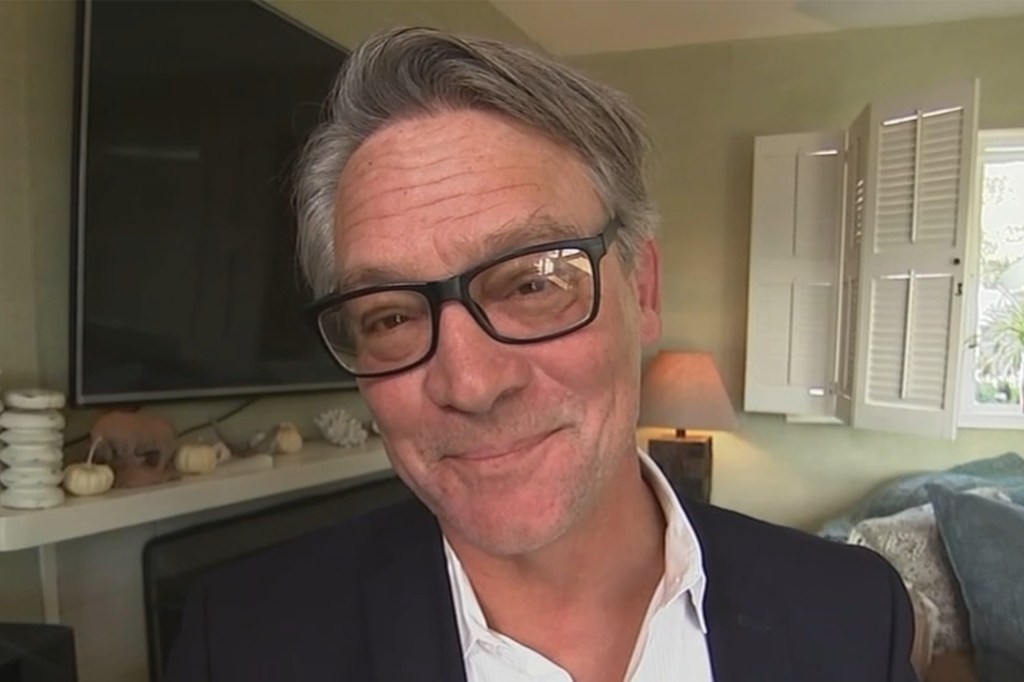
For most of his adult life, Barbee barely mentioned his animated past. “People that were in the know knew about it,” he shared. “But many of the people that I’ve known throughout the years, I never talked about it. It was just not a big thing for me. It was just kind of a funny insider thing.”
The residual drought ended only after labor upheaval intersected with streaming economics. Around the writers’ strike period roughly five or six years ago, SAG renegotiated terms as Apple TV acquired exclusive rights to the entire “Peanuts” catalog in 2020. “Screen Actors did [was say], ‘Look, that doesn’t have anything to do with these old contracts. That was for broadcast television. You’re a streaming service. And as such, you need to pay these people current residuals,'” Barbee recounted.
The shift transformed his annual finances, if modestly. “So now, I do make some money every year off all the specials,” he said. “It’s not giant amounts of money, but you know, it’s significant. And I look forward to getting that check every year.”
Despite the decades of missing payments, Barbee measures his true compensation in fan devotion rather than dollars. “I get this fan mail with frequency still to this day,” he told Sibilia. “And that just always puts a smile on my face because I realize how this character has influenced so many people’s lives over the course of, you know, half a century. And there’s something very, you know, very special about that. So, it’s cool to be involved in that.”