

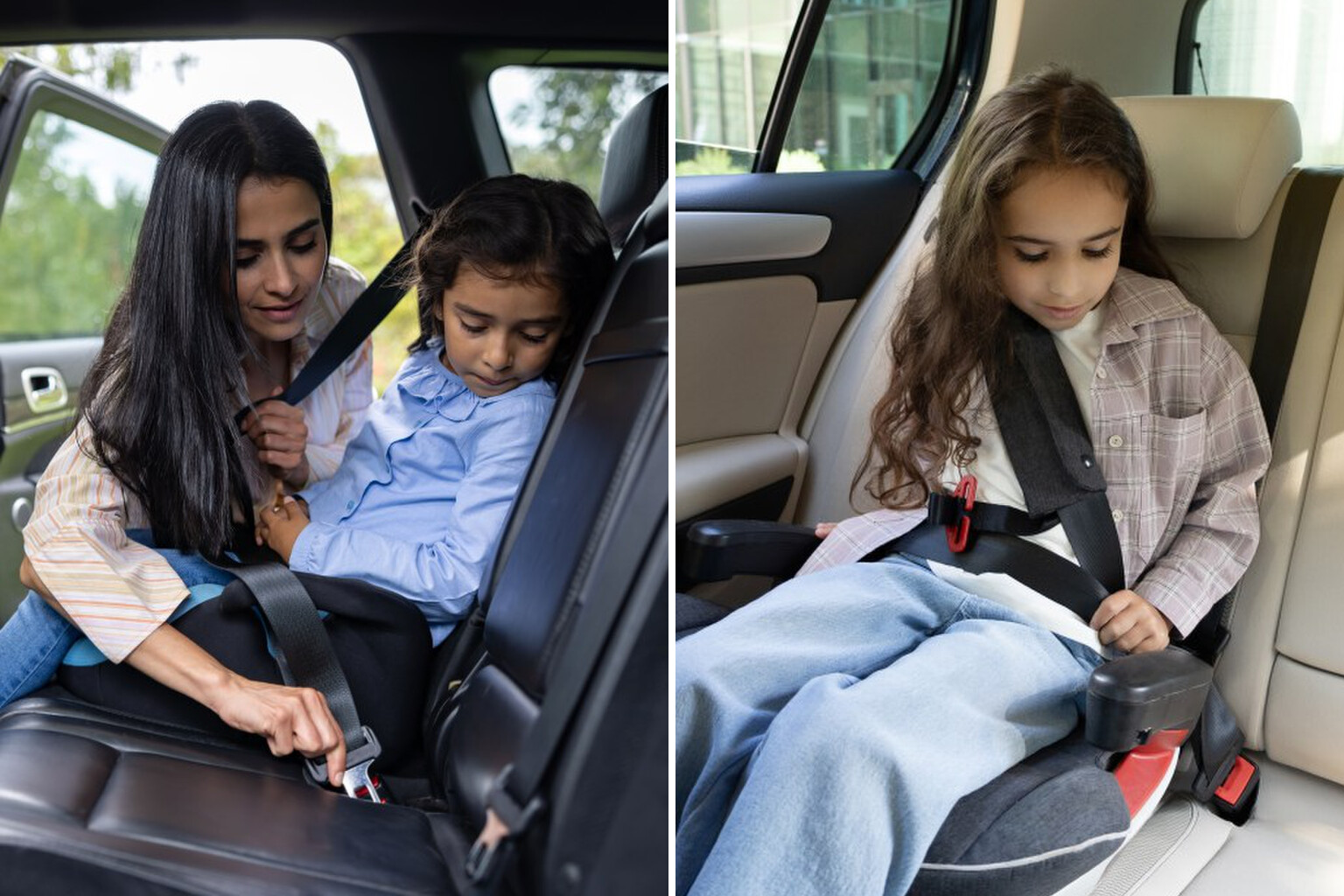
California teens as old as 16 could be required to remain in booster seats starting in 2027 under a new law that adds a mandatory five-step safety test before they can ride without one.
Assembly Bill 435, authored by Assemblymember Lori Wilson, takes effect January 1, 2027, and mandates that children must demonstrate proper seat belt fit before graduating from booster seats. Drivers who fail to comply could face fines and penalties totaling nearly $500 per child.
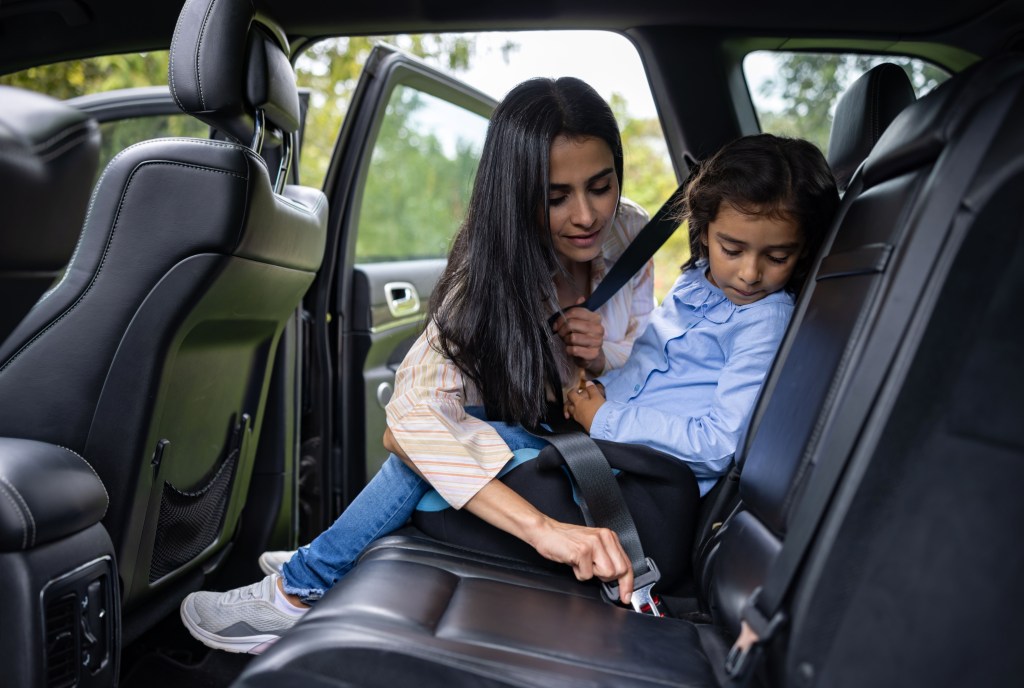
The law requires children to pass five specific criteria: the shoulder belt must cross the center of the chest and shoulder, not the neck or face; the lap belt must lie flat across the upper thighs, not the stomach; the child must be able to sit all the way back against the vehicle seat with knees bent at the edge; feet must touch the floor; and the child must be able to maintain this position for the entire trip. Children who fail even one requirement must keep using a booster seat.
Wilson framed the legislation as a direct response to persistent safety gaps. “As the second leading cause of unintended injury related deaths among children, motor vehicle crashes present a critical focus for safety improvements,” she said, according to CalMatters. “Extending the required age for booster use and implementing straightforward testing can significantly enhance child safety.”
The bill’s supporters point to troubling data on both seat belt fit and installation errors. A 2021 study by AAA and the National Safety Council found that 52% of car seats inspected by technicians were improperly installed, while 73% of forward-facing seats had installation errors. The same study determined that 90% of children under 10 using adult lap-and-shoulder belts should still have been in booster seats. A separate 2015 finding by the National Highway Traffic Safety Administration showed about 46% of car seats overall were misused.
Safety experts have noted that height requirements alone do not reliably indicate whether a child can safely use a seat belt, given variations in vehicle designs and airbag systems. The National Highway Traffic Safety Administration and the American Academy of Pediatrics both recommend that children under 13 ride in the back seat to avoid the force of deploying airbags.
The legislation drew backing from the Automobile Club of Southern California and AAA Northern California, Nevada & Utah, groups that have worked with child passenger safety advocates on education efforts. “The degree of protection obtained by child restraints depends on correct use and fit,” the organizations said in a statement supporting the bill.
Traffic crash injuries among children have been rising. In 2021, more than 162,000 children were injured nationwide, marking a 17% increase from the previous year, according to National Highway Traffic Safety Administration figures.
California’s existing law already requires children under 2 to ride in rear-facing car seats unless they weigh at least 40 pounds or stand at least 40 inches tall. Safety experts at UC Davis recommend keeping children rear-facing as long as possible, up to manufacturer height and weight limits, before transitioning to forward-facing seats with five-point harnesses and eventually booster seats.
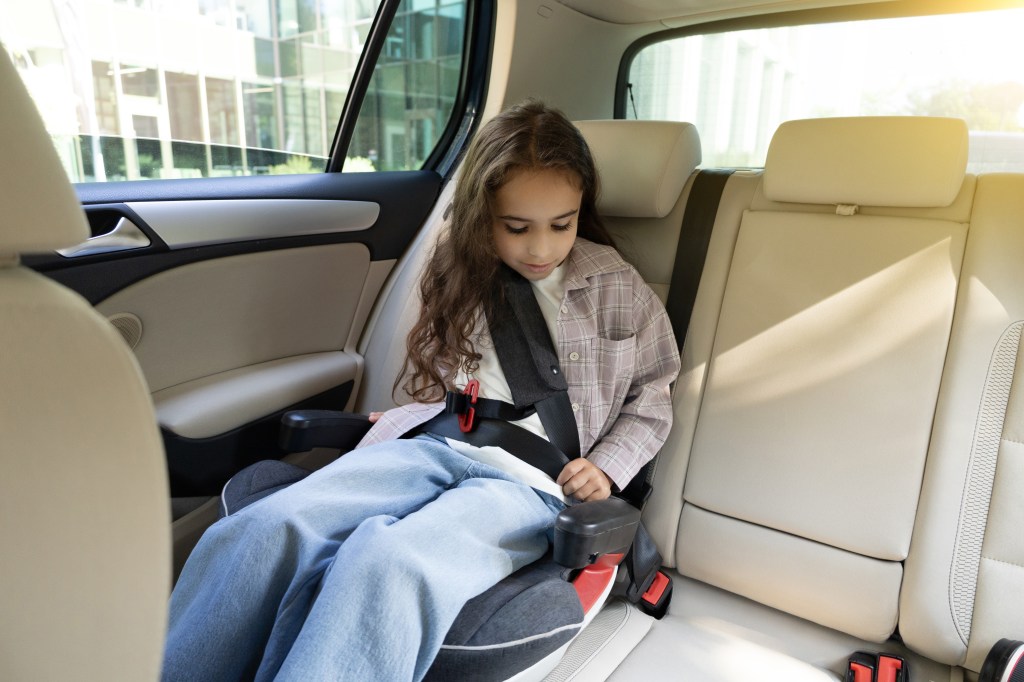
The new testing requirement represents a shift from age-based rules to individualized assessments of when a child is truly ready for adult seat belts, regardless of how old they are.
The bill awaits implementation planning by state safety agencies ahead of its January 2027 effective date.