

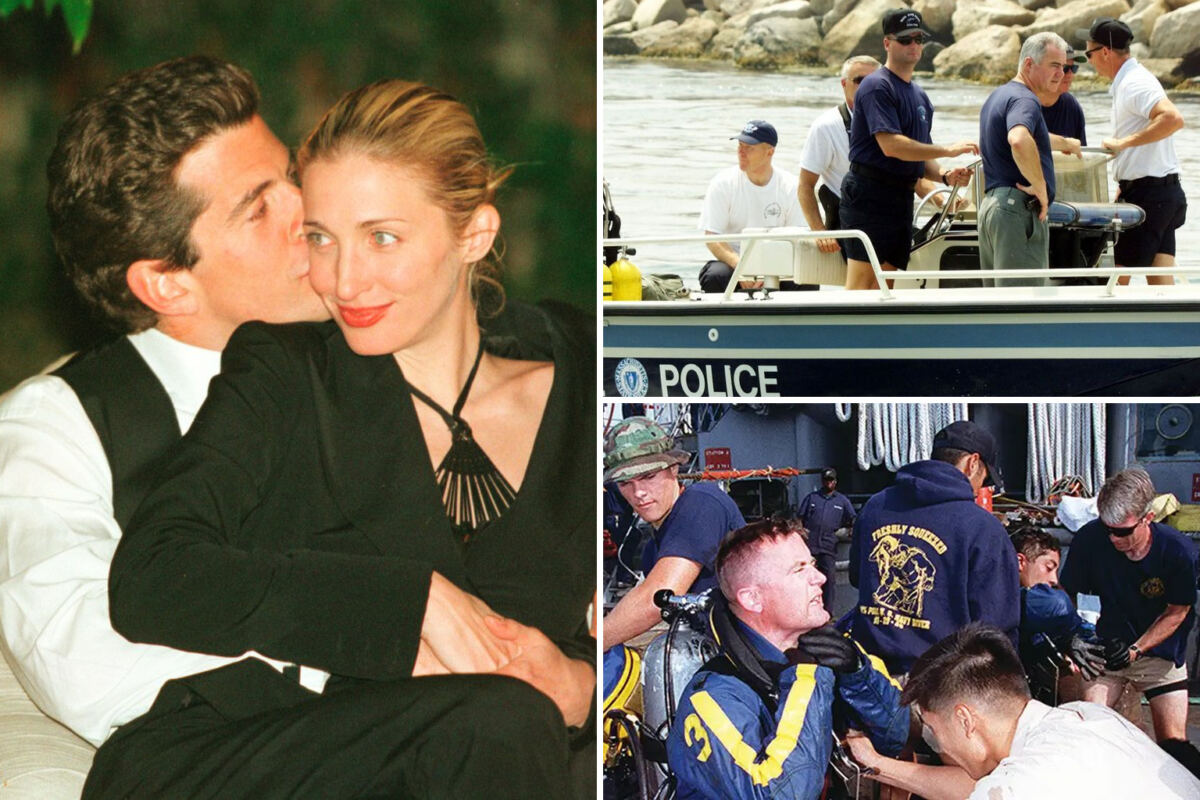
Retired Coast Guard Capt. W. Russell Webster has revealed Ted Kennedy’s emotional demand during the 1999 recovery of his nephew’s body.
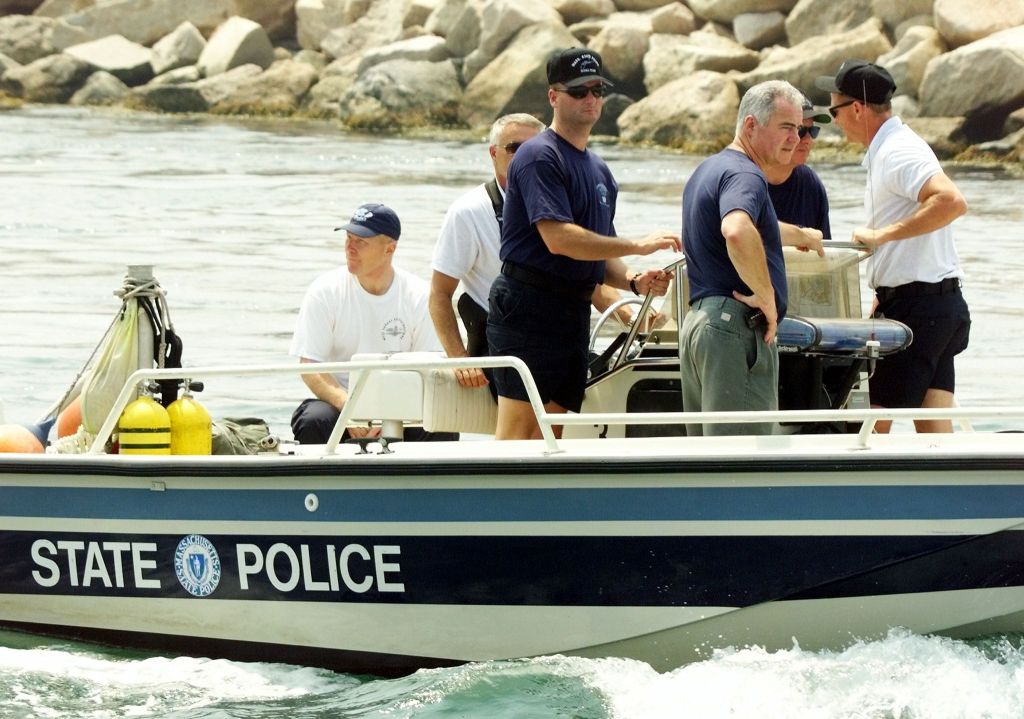
Webster, 74, who led the federal search mission after John F. Kennedy Jr.’s plane crashed off Martha’s Vineyard, disclosed in a new book that the senator insisted all three victims be raised from the Atlantic together. The co-authored memoir “The Last Flight,” written with his wife Theresa Mitchell Webster, details the five-day operation that ended with Navy divers recovering Kennedy Jr., his wife Carolyn Bessette-Kennedy, and her sister Lauren Bessette on July 21, 1999.
“Senator Kennedy was adamant that Navy divers bring up John, Carolyn and Lauren at the exact same time in a single salvage basket,” Webster wrote in the book. “Even though his staffers initially pushed for JFK Jr. To be raised first because his body was outside the wreckage while the women were trapped inside, the senator insisted they be recovered together, so his nephew would not be perceived as receiving special treatment, even in death.”
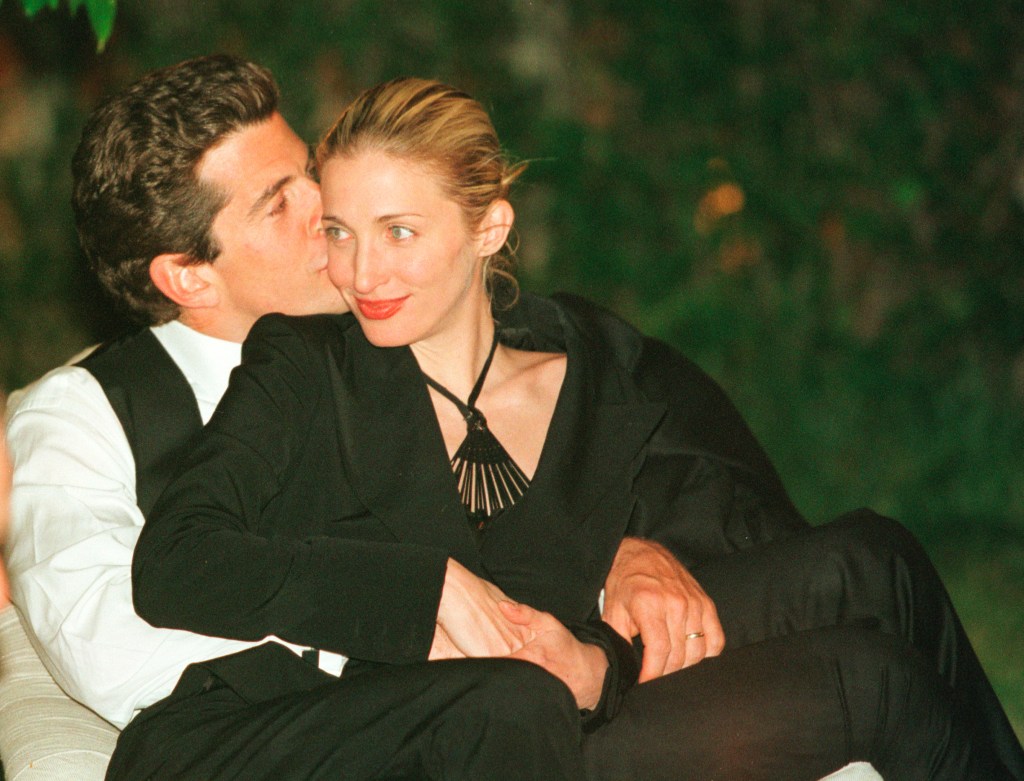
The demand complicated an already treacherous operation. Kennedy Jr.’s body was found on the ocean floor near the wreckage, while the Bessette sisters remained inside the upside-down fuselage, still strapped into their seats. Webster said that the family doctor had pressed for immediate retrieval of Kennedy Jr. Once he was located outside the aircraft.
“There was a sense of urgency, driven primarily by the family doctor to have the divers go back down and retrieve him,” said Webster.
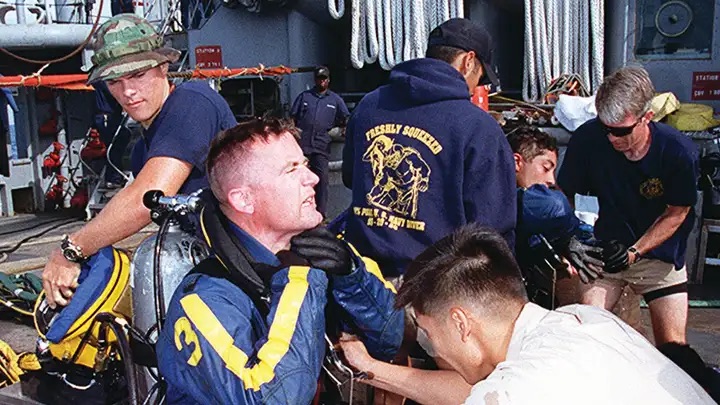
Mitchell Webster, a maritime historian who co-authored the account, explained how the Navy adapted to fulfill Kennedy’s wish aboard the USS Grasp. “Senator Kennedy insisted that the bodies be raised together at the same time,” she said. “So, the Navy on the USS Grasp, has what’s called a basket. It’s a large metal piece with sides for the divers to hang onto. The platform on which they stood in that basket was large enough for them to put three bodies on it. So, they were raised together, and no preferential treatment was shown to JFK Jr.”
The recovery unfolded 116 feet below the surface, where visibility was severely compromised. Webster wrote that “walking the Atlantic floor stirs up silt, further compromising low visibility.” The divers found Kennedy’s Piper Saratoga with its roof torn away and windows “blown out from the impact.” Kennedy Jr. Lay on his side nearby.
“It became more complicated to ensure that his family’s wishes were followed,” Webster said of the senator’s mandate. “It was complicated because, normally, when bodies are recovered, they’re recovered individually. He insisted that his nephew not be recovered as a priority. That was difficult, not only during the later body recovery, but also very early on when John F. Kennedy Jr. Was found outside the airplane.”
Beyond the physical challenges, Webster’s team raced against another threat. He said they feared “treasure hunters” or commercial fishermen might reach the wreckage first and steal personal items to profit from the tragedy. The area was active fishing grounds, and leaving the victims behind was “an unacceptable outcome.”
Once the remains reached a 55-foot Coast Guard vessel, Kennedy and his sons boarded with them. With a Navy chaplain present, the senator invited the crew to pray with his family. When they reached shore, Kennedy overruled an aide who wanted to delay unloading for additional relatives, insisting the caskets go straight to waiting hearses and stepping in to help carry them himself.
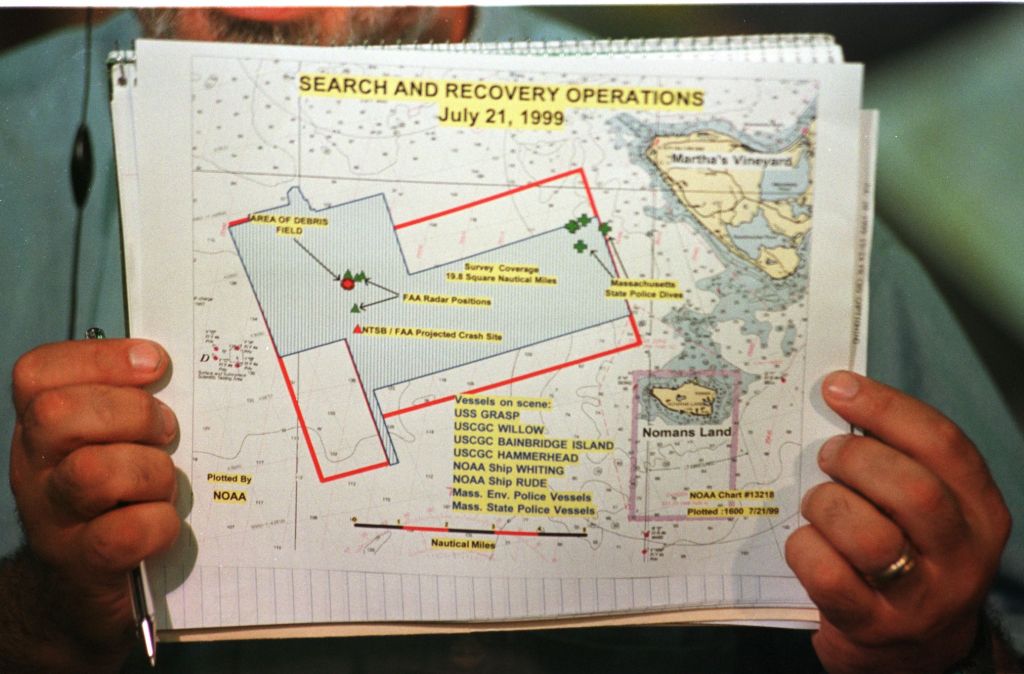
“He obviously never left their sides,” said Webster. “After everything was done, he and his wife visited my command at Woods Hole and recognized everybody. He took pictures with everybody, gave out cookies and brownies. It was a very human experience.”
Webster described Kennedy as “extremely respectful of the process and extremely grateful, as was his family, to the people doing the work.”
The crash itself had occurred just before 9:40 p.m. On July 16, 1999. Pittsburgh attorney Victor Pribanic, fishing for striped bass off Squibnocket Point, heard what Webster described as a loud “boom” echo across the dark Atlantic. “It wasn’t an explosion. It was a boom,” Webster said. “The impact was grave, and it was severe. They likely just went down 116 feet.” Pribanic saw nothing in the haze and returned to fishing, unaware he had witnessed the tragedy’s final moments.
The National Transportation Safety Board later determined spatial disorientation caused the crash. Kennedy Jr. Had passed his written instrument exam but was not certified for instrument-only flight. Weeks earlier, a certified flight instructor had noted he was not ready for such conditions. Webster said Kennedy Jr. Had transitioned into instrument-rated flight he was unprepared for, and the steep descent left no time to recover. Even qualified pilots need up to 35 seconds to regain orientation.
“He had to have been anguished, confused, just frightened,” said Mitchell Webster. “It must have been very difficult.”
The families scattered all three victims’ ashes in the Atlantic off Martha’s Vineyard on July 22, 1999.
“I remember feeling exhaustion,” Webster recalled. “I believe I had just laid down for no more than an hour after not sleeping since I got the original call. It was a mixed feeling, a feeling of profound grief and a feeling of profound happiness,” He added: “I worked with a number of families that we could never save their loved ones or find their remains so that they could celebrate their lives in ceremonies. For me, it was a dichotomy of feelings. One was, ‘Oh my God, we found them as a team.’ And the other was, ‘Yes, they’re really dead.'”
“Not a day had gone by during our research and writing that we did not consider the three victims,” Webster said.