

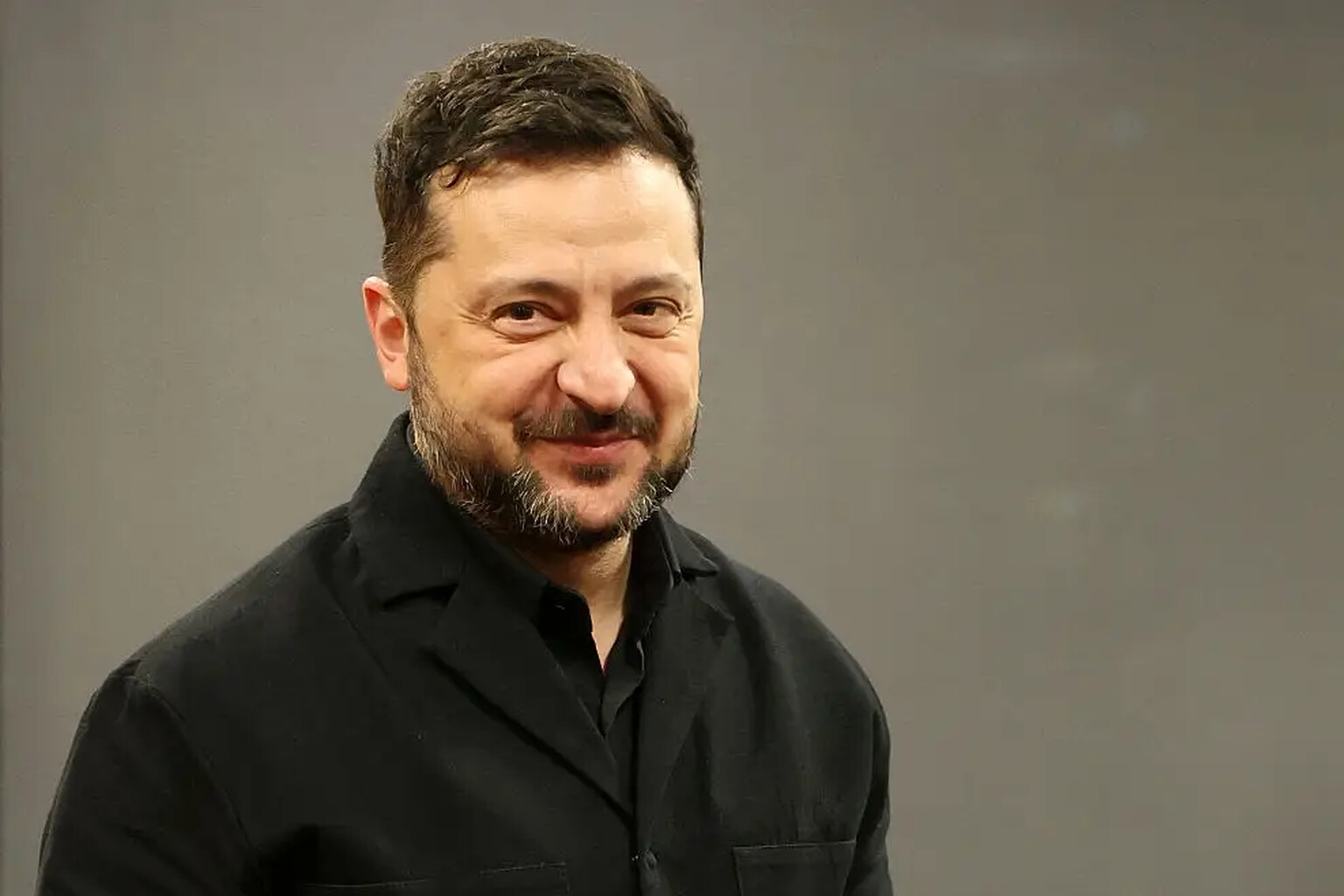
Ukrainian President Volodymyr Zelenskyy has fired back at Donald Trump for calling Vladimir Putin “my friend,” drawing a direct parallel to Adolf Hitler during World War II.
Zelenskyy, 47, delivered the rebuke in an interview after Trump posted a photograph of himself embracing the Russian leader from their meeting in China last week. The former president’s social media post used the friendly greeting, prompting an unusually sharp response from the wartime leader.
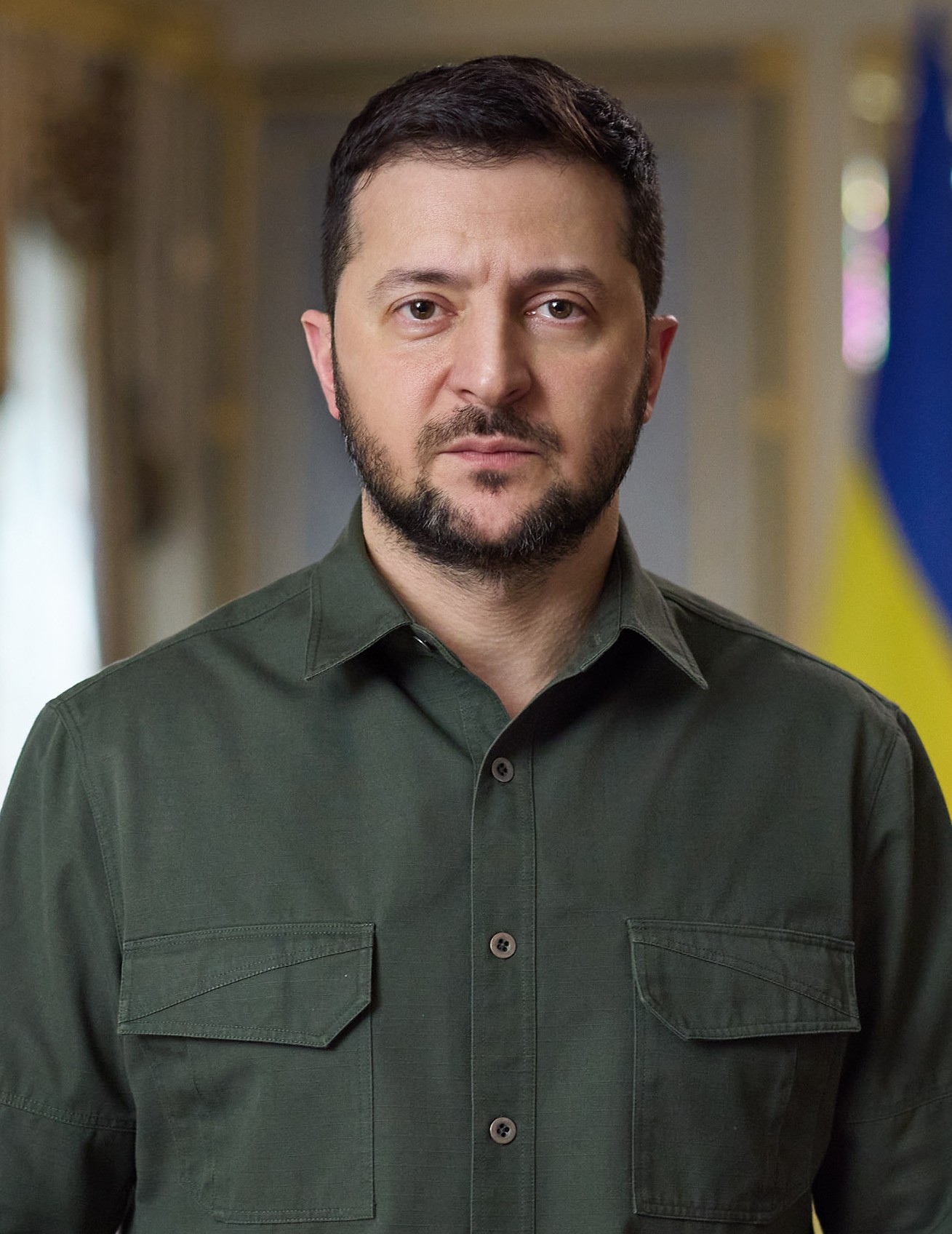
“Of course it’s up to the President of the United States, but… It’s strange,” Zelenskyy said. “He’s an aggressor, and a killer… He can’t be a friend. Just cannot be.”
The Ukrainian leader then pressed the historical comparison further.
“It is the same if somebody said about Hitler, during World War Two, that he is a good friend. No, he’s not a friend.”
Zelenskyy’s comments came as he expressed broader frustration with Washington’s approach to the war. He criticized delays in delivering anti-ballistic missiles, saying the holdups are costing Ukrainian lives, and called for “real helpful allies, who can push Russia” to help end the conflict.
On Thursday, Trump addressed the meeting on Truth Social, writing that he had asked Putin to “pull back all Military aggression” against territories throughout Europe. He framed the request as aimed at accelerating a deal between Russia and Ukraine, adding: “I really believe this is a strong possibility.”
The post notably did not specify which territories Trump meant and did not explicitly include Ukraine, which Russia invaded in February 2022.
Trump’s outreach to Putin has drawn scrutiny beyond Zelenskyy’s remarks. The president’s son-in-law Jared Kushner and business associate Steve Witkoff, who serve as US envoys on the Ukraine war, have faced accusations of favoring Moscow in their diplomatic efforts.
Kushner told the German MD Meets Podcast on Wednesday that Putin “showed restraint” because he had “agreed not to use nuclear weapons.” He also called the Russian leader, whom he has met several times, a “grandmaster of politics” and described the war as “a proxy war where Europe is funding and arming Ukraine against Russia.”
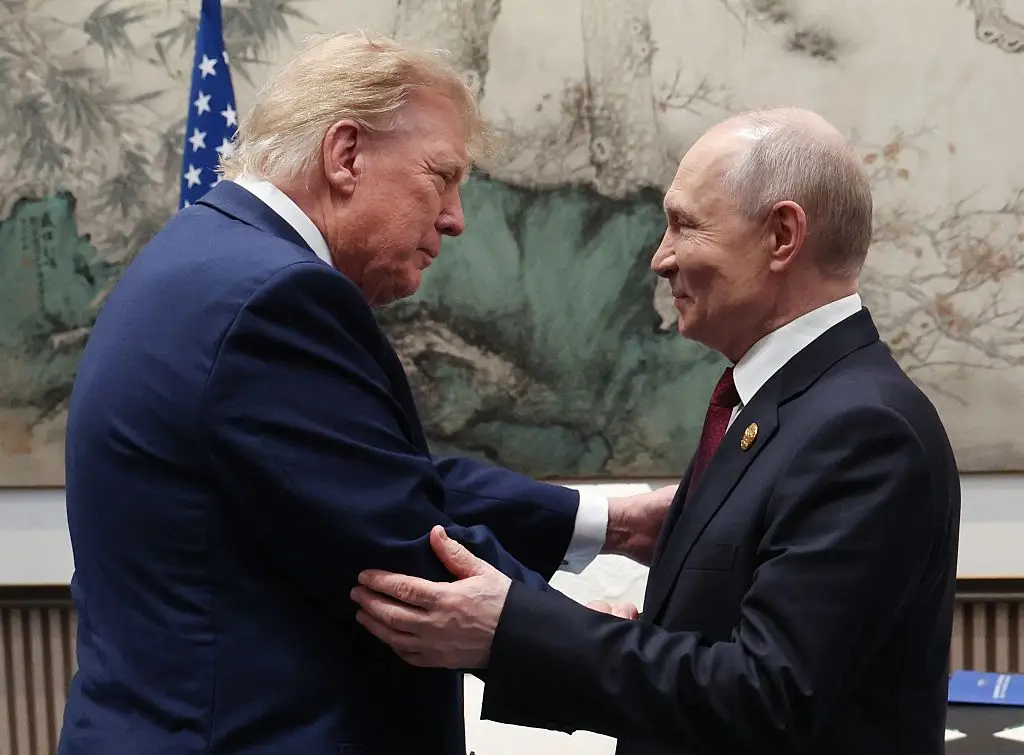
But Kushner acknowledged stumbling blocks remain, particularly on territory. “What Steve and I have deciphered from having many, many hours with President Putin and from the Russian team, is that you know the territorial issue is right now a little bit of a deadlock,” he said. He also warned that “it won’t take a lot of miscalculation for this thing to escalate massively.”
The diplomatic maneuvering unfolded against a backdrop of continued violence. On the day Zelenskyy spoke, Russia struck his hometown, he said, underscoring the gap between high-level talks and battlefield reality.
Trump’s meeting with Putin in China came shortly after he hosted NATO chief Mark Rutte at Mar-a-Lago in Florida. The two leaders issued a joint statement saying they “discussed the importance of Russia avoiding any actions that intentionally, or unintentionally, expand the war.” Notably, in contrast with his recent criticisms of Ukraine for striking targets deep inside Russia, Trump made no parallel call for Kyiv to show restraint.
Speaking to reporters at Mar-a-Lago on Thursday, Trump said he was unsure whether Putin would attend next month’s G20 summit in Miami, but added: “if he wanted to come, he certainly can.”
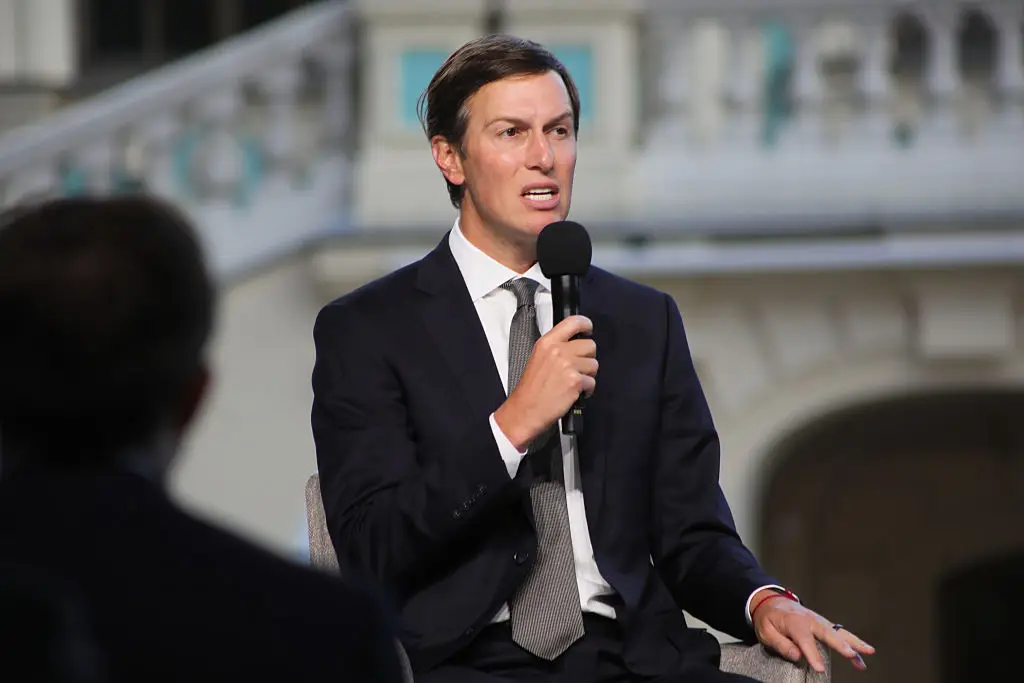
The photograph Trump shared of himself with Putin, arms around the Russian leader, marked a stark visual counterpoint to Zelenskyy’s characterization of Putin as an aggressor who “cannot be a friend.” The image and caption have become a flashpoint in the ongoing debate over whether Trump’s diplomatic style risks legitimizing a leader accused of war crimes.
Zelenskyy’s Hitler comparison represents his most direct personal attack on Trump’s rhetoric to date, escalating tensions between the two leaders as Washington’s Ukraine policy remains under review.
Trump is scheduled to host the G20 summit in Miami next month.