

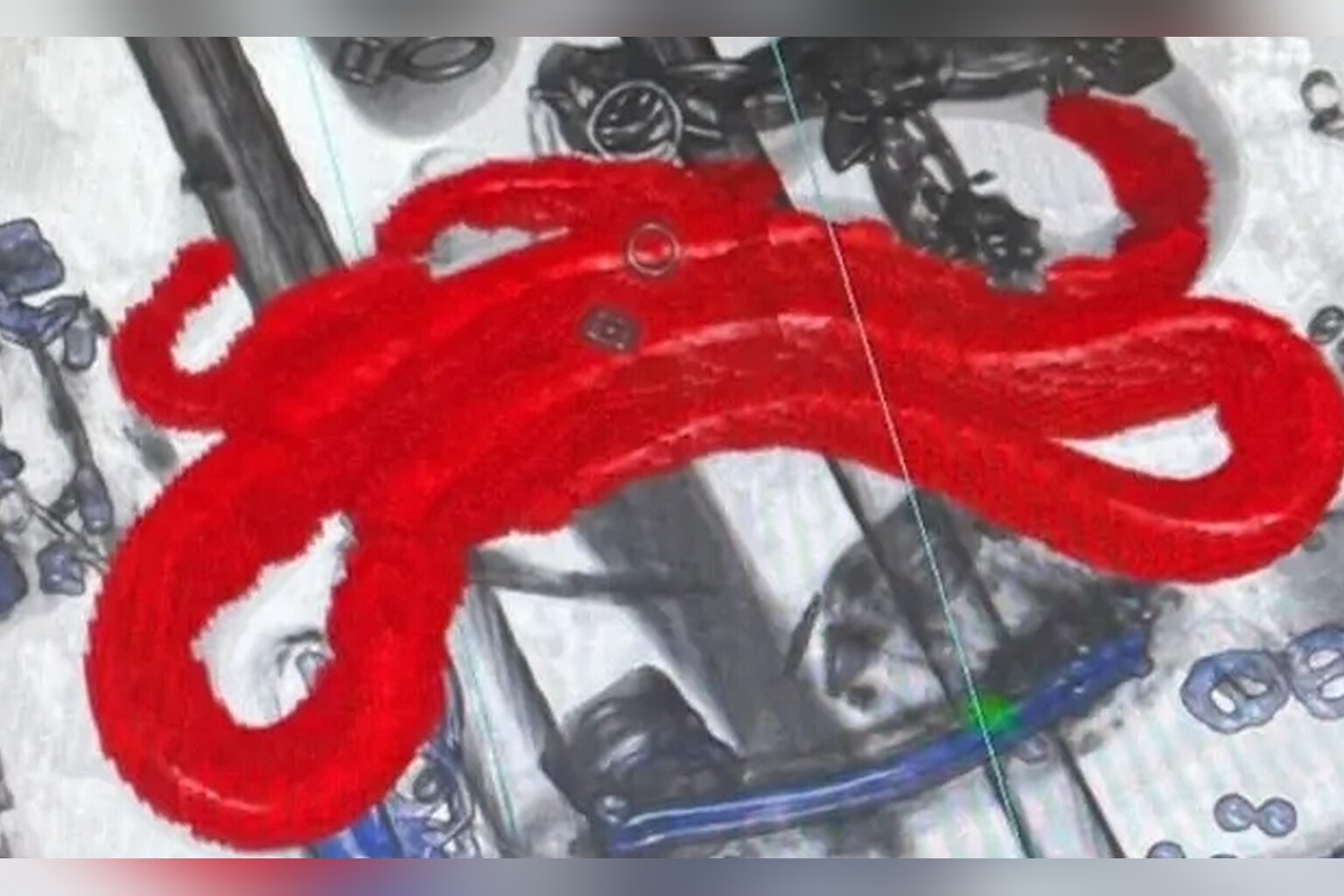
TSA Officer Benjamin Andrade-Carillo escalated a routine bag check after discovering what he first thought was rope was actually alive.
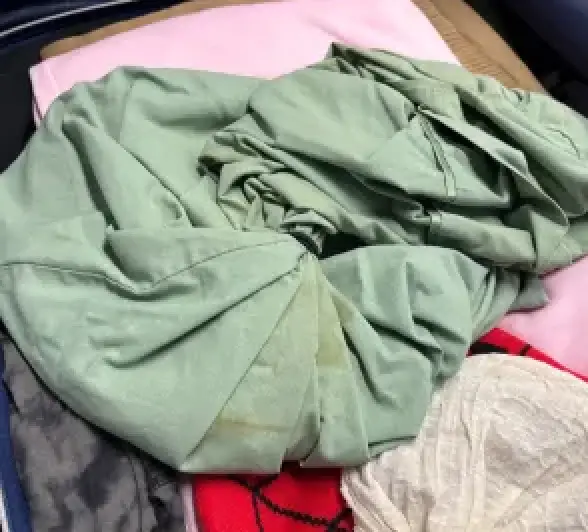
The 22-year-old screener at Ontario International Airport in California had spotted a pillowcase inside a checked bag during standard screening operations. Its stringy appearance initially suggested nothing more unusual than cordage. Then he felt movement.
“When I realized the item in my hand was alive, I told myself, ‘I need to escalate this immediately,'” Andrade-Carillo recalled in a TSA statement.
He summoned Supervisory TSA Officer Suggey Flores, who took over examining the bag. The two officers quickly confirmed they were handling snakes. Screening in the area was paused while airport police and the passenger’s airline were notified.
“I felt it tense up and start moving,” Flores said. “I have held snakes before, so I wasn’t too spooked. I was more impressed, because it’s not something you see every day.”
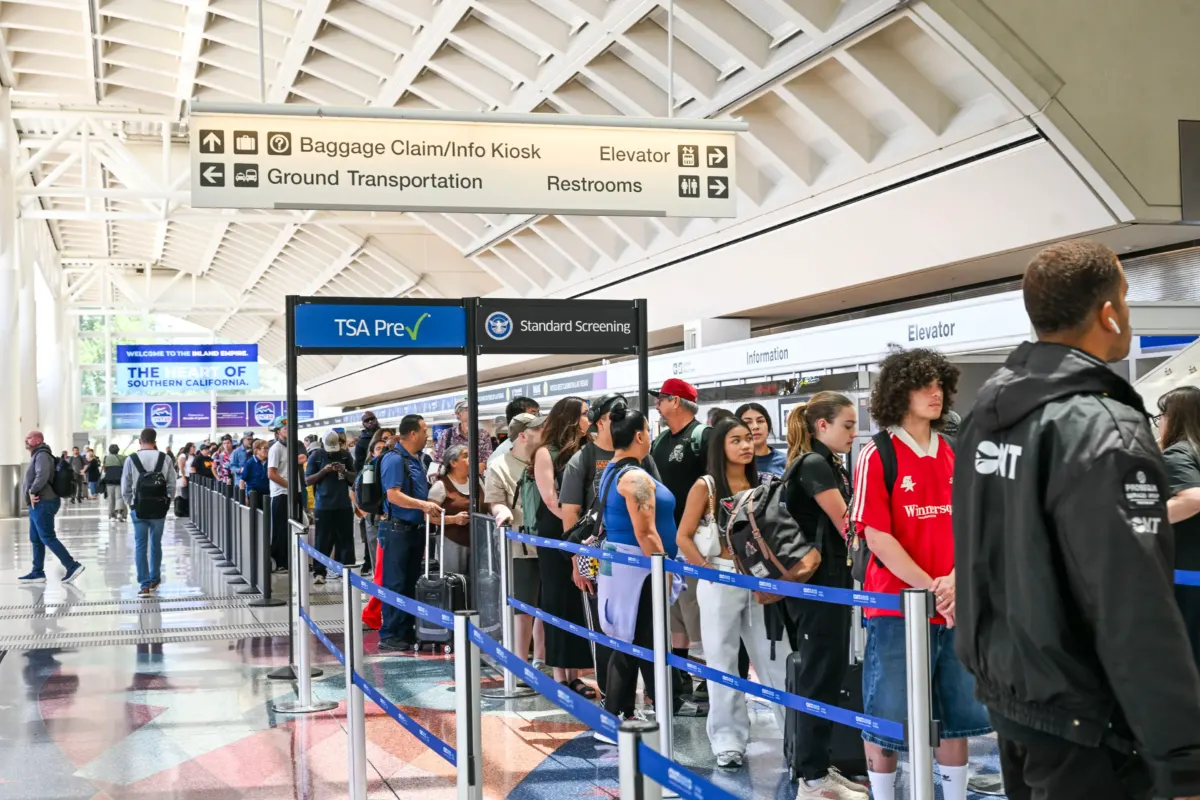
ONT TSA Manager Francisco Calderon emphasized that officers should not normally handle live snakes, citing unknown venom risk. “Safety was a concern because we didn’t know what kind of snakes they were,” he said. “They could have been venomous.”
The discovery included two live snakes, one of them a rattlesnake, according to multiple reports on the incident. Airport police took possession of the bag. The passenger then removed the snakes and transferred them to a non-traveling family member before being permitted to board the flight without the reptiles.
https://www.youtube.com/watch?v=qpCwZ7co5jU
Calderon praised his team’s response to the unusual find. “I am very happy with the way our team handled the situation, stopped screening when they needed to and made the proper notifications,” he said. “No injuries or bites were reported, thank goodness.”
Jason Pantages, TSA’s federal security director for Los Angeles International and nearby airports, highlighted the broader lesson for travelers. “Our officers are trained to respond calmly and professionally to unexpected situations while keeping safety at the forefront,” he said.
Pantages added: “This incident demonstrates the sound judgment and teamwork of the ONT TSA workforce as well as the importance of travelers checking with their airline before bringing animals, including reptiles, to the airport.”
Andrade-Carillo issued a direct appeal to the flying public following the encounter. “We ask the traveling public to be mindful of what they bring in their bags because if we don’t know what it is, we will find out,” he said.
The incident drew renewed attention to TSA protocols for biological discoveries in baggage, with officials stressing that passengers must verify airline policies on animal transport before arriving at security checkpoints.