

Crew members on the troubled action thriller “Live 2 Die” say they remain unpaid months after production collapsed in August.
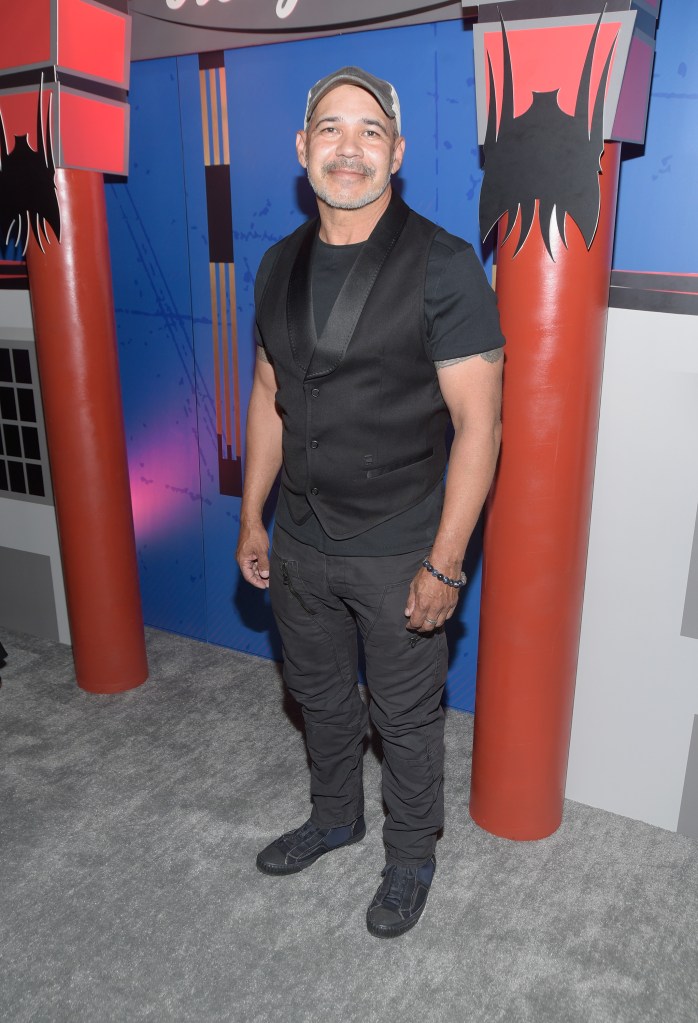
Stunt coordinator Eddie Perez, who worked on the film, claims the bigger obstacle now is SAG-AFTRA itself. The union is allegedly withholding a bond that was established precisely to cover outstanding wages for workers left in the lurch when financing evaporated.
“We have been given the runaround at every turn,” Perez said, adding that line producer Javier Vasquez has also gone unpaid despite repeated efforts to get the union to release the funds.
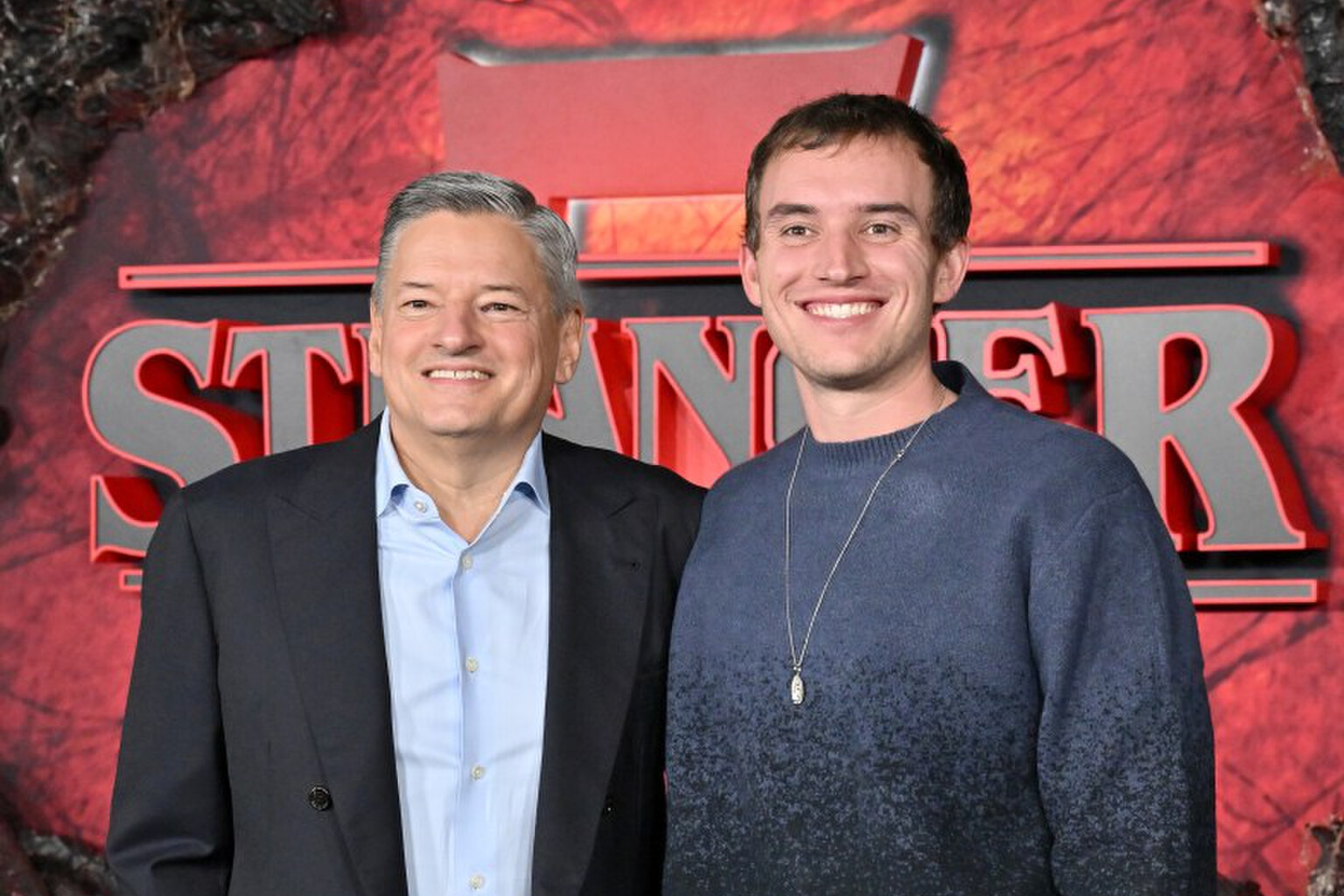
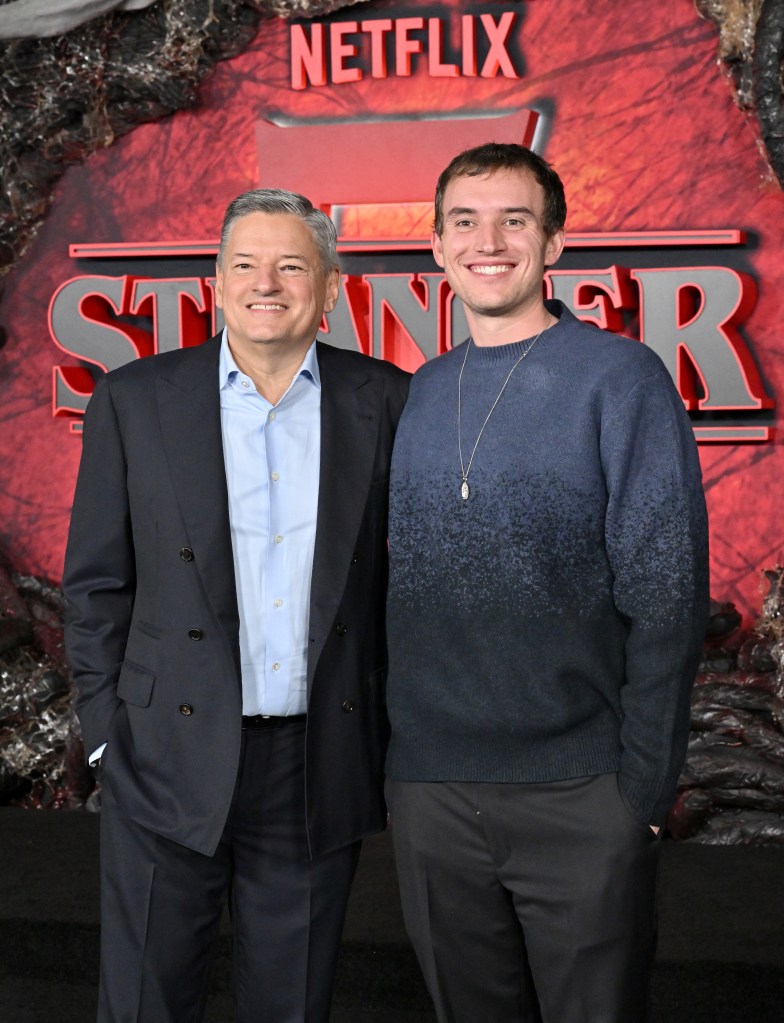
The project, which had reached roughly 85% completion, starred Josh Bowman, 36, Ron Perlman, 74, and Esai Morales, 61. Tony Sarandos, son of Netflix co-CEO Ted Sarandos, served as an executive producer charged with finding a distributor, though he had no personal financial investment in the picture.
Workers say some spent months on the project without receiving any compensation, leaving them scrambling to cover rent and other bills long after cameras stopped rolling.
The producers, for their part, dispute the scale of what is owed. They maintain that crew members are due payment for only two weeks of work, not the months some claim, and that a new investor has joined the production. “We take these matters seriously and understand the hardship workers have endured,” the producers said, promising to ensure everyone is paid. Filming is expected to resume in December once arrangements are finalized.
Perez’s frustration with SAG-AFTRA adds a complicated layer to a dispute that might seem straightforward. The union, which does not comment on specific productions, offered a general statement defending its financial assurances program. “The enforcement of SAG-AFTRA’s contracts and protecting covered performers are two of the union’s highest priorities,” the union said, noting that its security deposit system was developed over decades to prevent performers from being abandoned when producers fail to meet obligations.
The original shutdown came after the film’s financiers reportedly defaulted, halting a production that had already consumed significant time and labor from its below-the-line workers. The movie was positioned as an action vehicle with recognizable names attached, but the financial collapse exposed the vulnerability of crew members who had already performed weeks or months of work.

The involvement of Sarandos, 49, as an executive producer drew attention given his father’s prominent position in the entertainment industry, though sources emphasized he had no personal capital at risk and was focused on distribution rather than financing.

For workers caught in the middle, the delay has stretched from an August shutdown into the fall with no resolution in sight. The competing narratives—workers describing months without pay, producers insisting only two weeks remain outstanding, and the union caught between them—have left little clarity about when or whether full compensation will arrive.
The producers’ pledge that filming will restart in December suggests confidence in the new investor, but crew members who have already been burned once may view that timeline with skepticism. The gap between promised payments and actual money in hand has defined the experience for many who worked on the project.

SAG-AFTRA’s statement emphasized its broader record rather than addressing the specific complaint about the withheld bond. The union’s decades-long work on financial assurances, it said, was designed for exactly this kind of situation—yet Perez’s account suggests the mechanism has become another point of friction rather than a solution.
The December restart date now looms as both a potential fresh beginning and a deadline for resolving the pay dispute. Whether workers will return to set before seeing back wages remains an open question, and the trust between labor and management on this production appears deeply eroded.
For now, the unfinished movie sits in limbo, its recognizable cast unable to complete performances and its crew unable to move on with clean financial records. The case has become a stark example of how quickly a film production can unravel and how slowly the aftermath can be resolved for those with the least power in the equation.
Production is expected to resume in December.