

—
On June 24, Venezuela was struck by two devastating earthquakes measuring 7.2 and 7.5 in magnitude, devastating the country’s central coast and leaving thousands of families with nothing. For the nation’s young baseball players, many of whom dream of professional careers in one of the world’s premier baseball nations, the disaster has transformed athletic facilities and dreams alike into sites of survival.
Across Venezuela’s hardest-hit regions, particularly in the state of La Guaira and surrounding areas, the toll on youth baseball has been staggering. The president of Criollitos de La Guaira, one of Venezuela’s largest youth baseball organizations, reported that at least 100 children enrolled in the league were killed in the earthquakes. Many among the dead belonged to the organization’s youngest members, with the vast majority of fatalities in the four-to-five-year-old “Semilleros” category. The true number continues to rise as families search for missing children and authorities identify victims.
“It is a tragedy and such an enormous pain that there will never be a remedy for it,” said Jhorny Sojo, president of Criollitos de La Guaira, speaking through tears to Venezuelan media outlet El Pitazo.
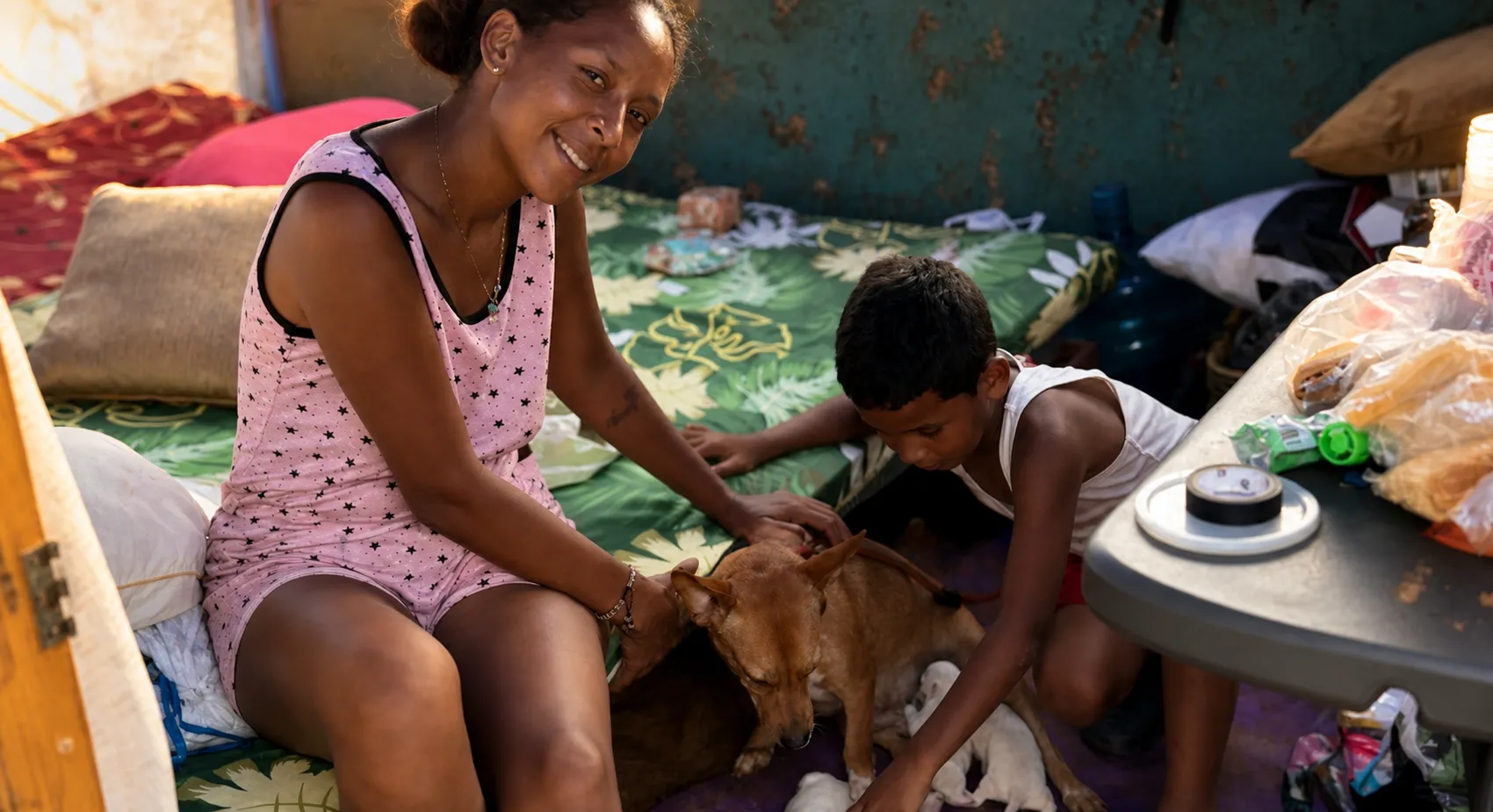
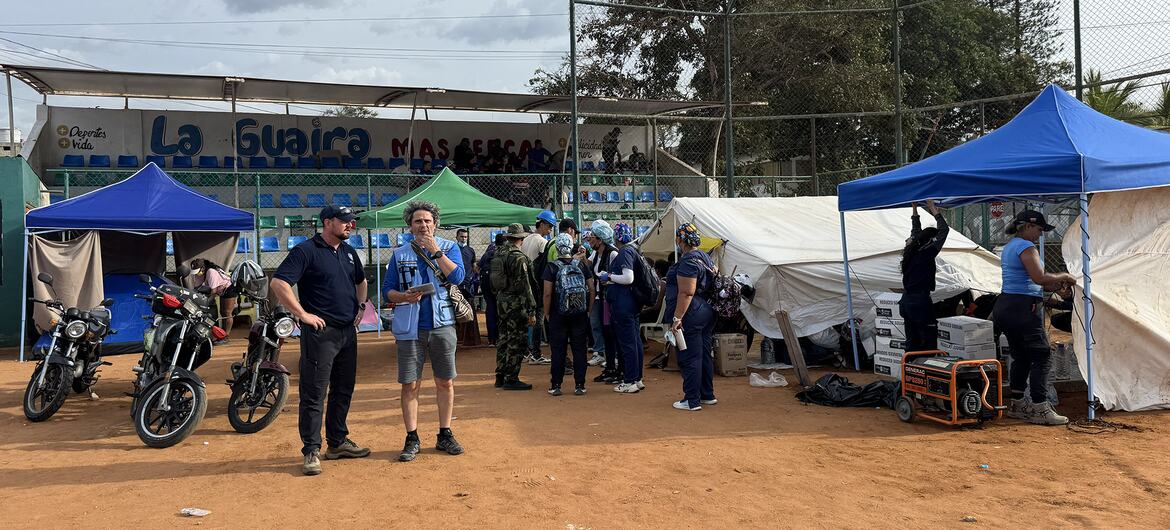
Where once young athletes trained with bats and gloves, seeking futures in professional baseball, displaced families now sleep under tarps and makeshift shelters. The Playa Grande baseball stadium, which once served as a center for the sport that runs deep in Venezuelan culture, has become an emergency shelter for thousands who lost their homes when the ground shook for nearly a minute on June 24. The facility now houses families in tent camps, with aid workers distributing food, water, and medical care.
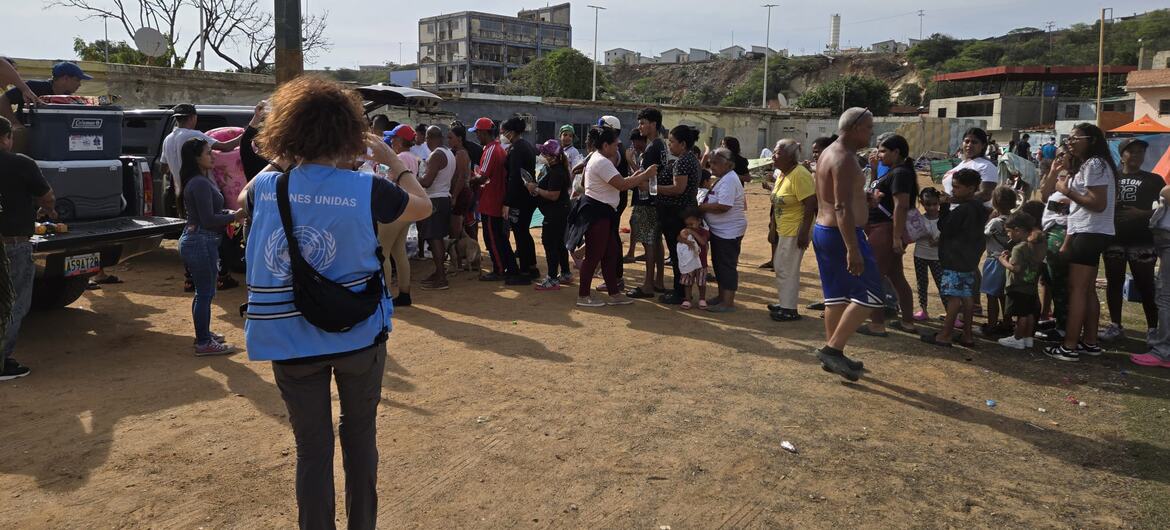
Baseball stadiums across La Guaira—including the César Nieves and other sports complexes—have been repurposed as humanitarian centers. While families huddle in family units within these facilities, some of the youngest survivors spend their days playing in improvised fields, attempting to maintain a sense of normalcy amid profound loss. Psychologists at the shelters have recognized that allowing children to engage in sports and play serves as a critical outlet for processing trauma.
One boy who survived 86 hours buried beneath approximately ten feet of rubble was pulled alive by a Colombian rescue team. The eleven-year-old, named Moises, emerged from the darkness only to face a country still counting its dead and a family torn in half. His mother and sister did not survive. Images of the boy being carried into the sun with his eyes shielded became, for many Venezuelans, a symbol of both the miracle and the grief of the disaster.
Damian, a thirteen-year-old who lost his home and his mother in the coastal town of Caraballeda, now lives in a shelter with his aunt after being taken in by her family. According to his aunt, Damian processes his trauma primarily through play. “My nephew hasn’t wanted to talk about it. All he does is play, play,” his aunt said. Shelter psychologists advised her to allow soccer to serve as his outlet for grief.
The UNICEF representative in Venezuela emphasized that mental health and recovery extend beyond physical shelter. “The earthquake has taken so much from those boys and girls, and our role is to ensure it does not take away their future,” said Manuel Rodríguez Pumarol. The organization has established “Child Friendly Spaces” at multiple shelters where psychologists and social workers support children through recreational activities, guided play, and counseling.
Venezuela’s government has launched initiatives to help children regain a sense of routine. The acting president announced that the country’s Simon Bolívar Orchestra is teaching children to play musical instruments, toys are being distributed, and the Venezuelan Football Federation has set up soccer fields for children to play on within the camps. These efforts reflect an understanding that sport and culture serve as pathways to resilience for young survivors.
Yet the challenges remain immense. Many children continue to experience acute anxiety, staying up late into the night from fear that further disaster might strike while they sleep. The temporary camps that once served as educational centers are being cleared to make way for classes when school resumes. Thousands of children have lost family members, homes, schools, and the lives they knew.
Criollitos de Venezuela has launched a fundraising campaign to help cover medical expenses and emergency assistance for surviving players and their families. The organization that once served as a pipeline for Venezuelan baseball talent and a community hub for thousands of families now faces the task of mourning the young players whose lives ended long before their baseball dreams had a chance to unfold.
For the youth baseball community that had nurtured generations of professional players, the earthquakes have become a defining moment—one that transformed their facilities into shelters, their playing fields into camps, and forever changed the lives of the children who still draw strength from playing the sport they love.