

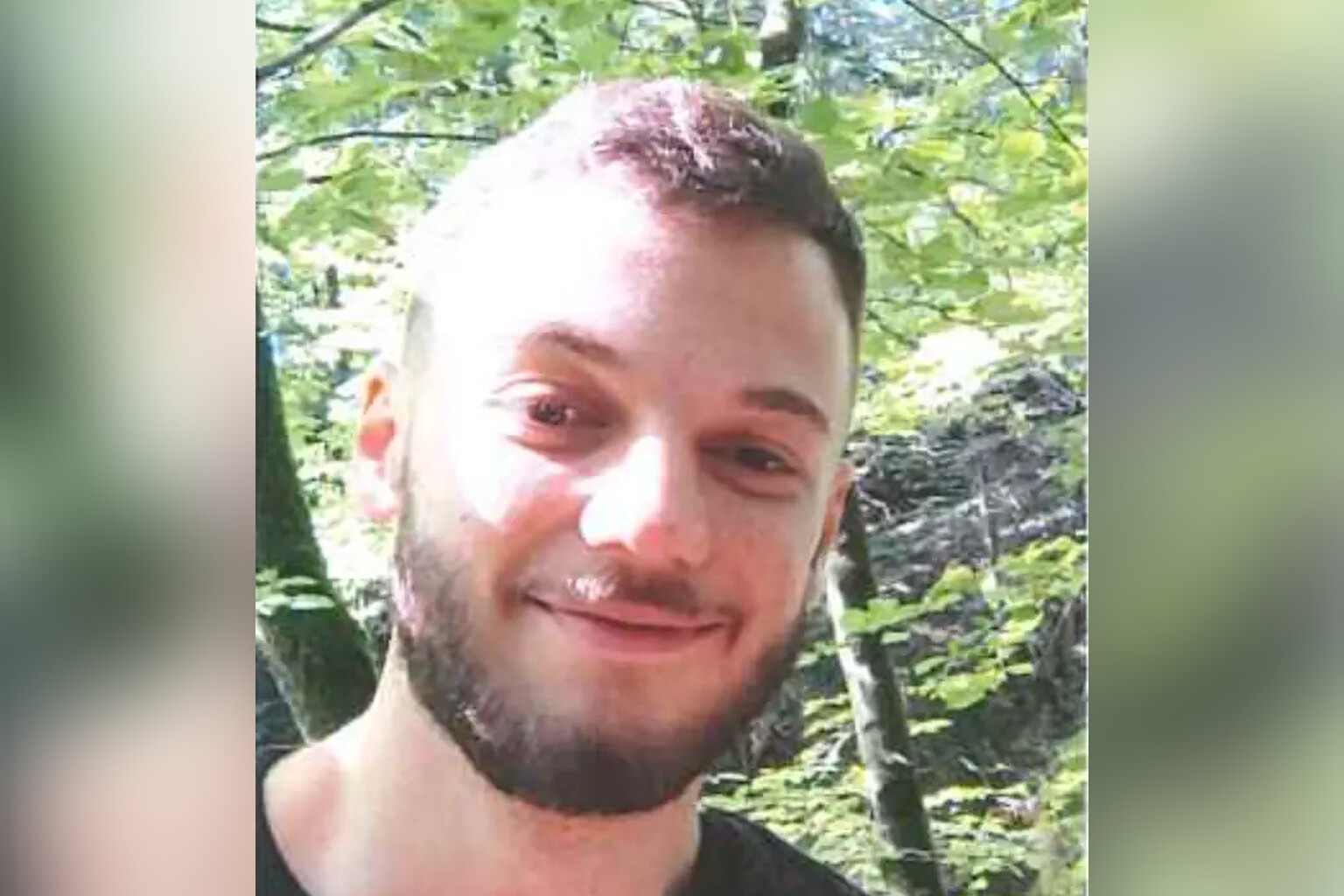
A 22-year-old Austrian man ended his life by assisted suicide on his birthday after a severe case of post-Covid chronic fatigue left him unable to speak, tolerate light, or interact with his own mother.
Samuel Prinz-Reiterer, who turned 22 on January 30, died that same day in an assisted suicide he had announced nearly two weeks earlier. His father confirmed the date of his death. The young man had spent his final months confined to a darkened bedroom, communicating through handwritten notes and able to use his phone only in brief bursts of seconds or minutes.

Neurologist Andreas Winkler, who treated Samuel, told Der Standard that his patient likely had the worst form of long Covid. “Yes, it’s true, Samuel most likely has the worst form of post Covid, namely ME/CFS as a result of a Covid infection,” Winkler said. “In the beginning, he could still walk around on a level in his parents’ apartment, even go out from time to time. Subsequently, despite everything we have tried, his condition has deteriorated so much that he can now only lie in bed.”
Samuel himself described the crushing limitations of his illness in a translated statement obtained by the outlet. “Because of this disease, I have an extremely limited energy window. I have to lie in bed 24 hours a day and I am not allowed to move too much, it must be permanently dark because I can’t stand light,” he explained.
“I wear double hearing protection because I can’t stand any noise either. I can’t watch TV for a second, or watch videos on my phone, because moving things overwhelm my nervous system too much and trigger unbearable suffering,” he continued.
Samuel added, “I can’t listen to music or podcasts. I can’t even talk to my own mother, who takes care of me, because listening is too exhausting and even talking is now completely impossible. So I have to communicate with a pen and block.”
The condition that consumed Samuel’s life, Myalgic Encephalomyelitis/Chronic Fatigue Syndrome, is a complex multisystem illness marked by extreme exhaustion, neurological symptoms, and post-exertional malaise. PEM causes symptoms to worsen after even minimal physical or mental exertion, sometimes leading to permanent deterioration.
Before his death, Samuel made a deliberate appeal for public awareness. “But my death should not be in vain. This disease now affects around 1% of the population in Austria, almost 8 times as many as MS,” he wrote. “However, those affected disappear completely from the picture due to the restrictions and cannot draw attention to themselves. That’s why I ask you to spread my story, bring it to the media.”
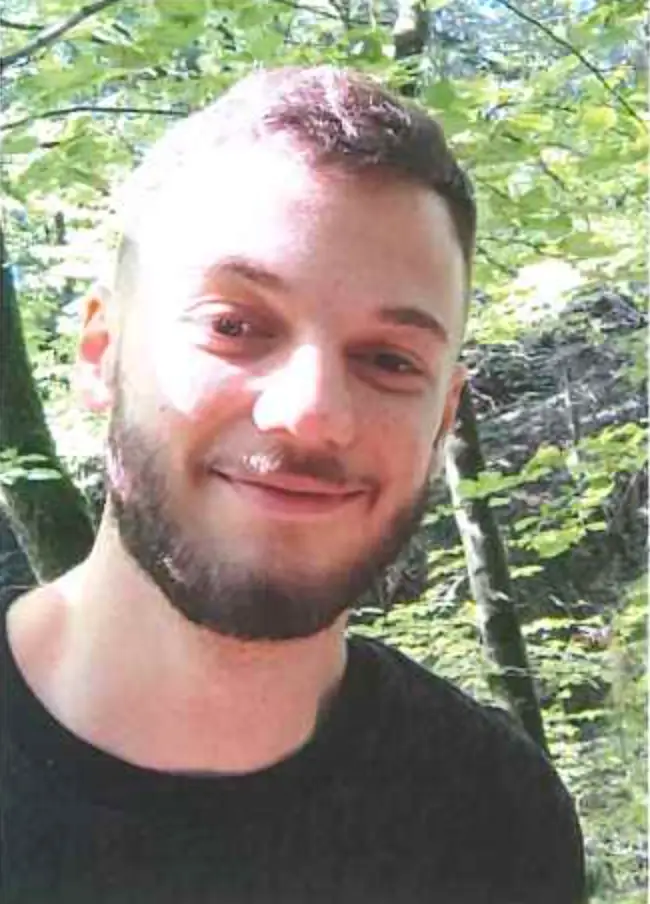
Samuel’s case has emerged amid a staggering increase in assisted deaths across Austria. The country has seen assisted suicide surge by 267% in just three years. The spike has drawn alarm from religious leaders and advocacy groups, with Austrian bishops raising concerns about the trend.
Alisdair Hungerford-Morgan, Chief Executive of Right To Life UK, weighed in on Samuel’s death. “This is a tragic case involving a young man who needed help, not the state’s assistance to help him end his own life,” he said. “People living with this and similar conditions need support, not suicide.”
Hungerford-Morgan also flagged a gender disparity in the data. “It is also deeply alarming that in just three years, assisted suicide deaths have increased in Austria by 267%. Almost a third of all women’s suicide deaths are now from assisted suicide, compared with less than one in ten for men,” he noted.
Assisted suicide and euthanasia remain illegal in the United Kingdom. A legislative push to change that, the Terminally Ill Adults (End of Life) Bill, was defeated in the House of Commons on September 11, by a vote of 286 to 270.
Samuel’s final public statement, posted 12 days before his death, framed his choice as both personal relief and a call to action for a condition that leaves its sufferers invisible by the very nature of their confinement.