

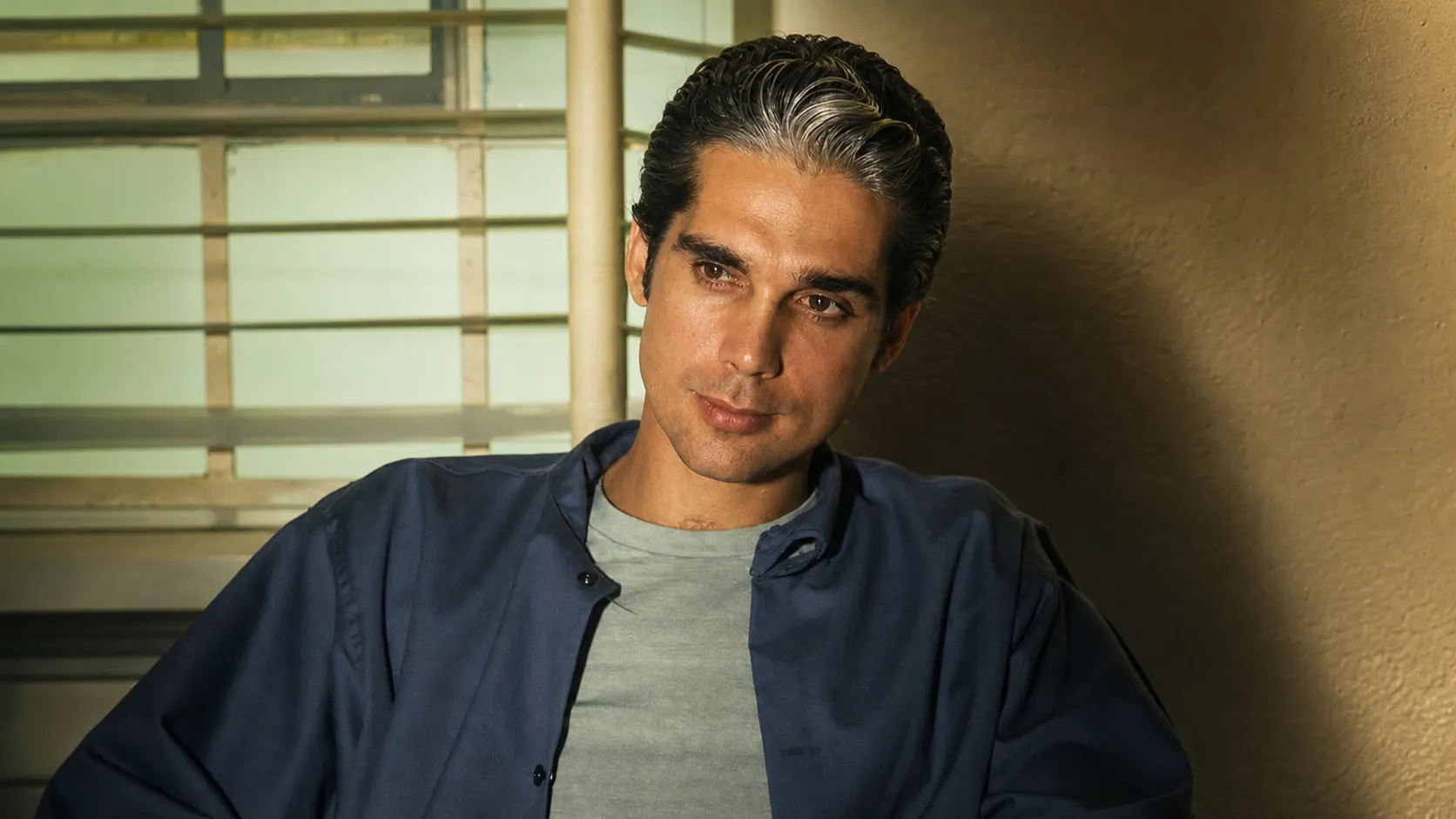
A gesture intended to comfort a Florida death row inmate in 1979 ended up sparking backlash so intense that the state’s execution meal policy was later changed.
John Spenkelink, who was 30 years old, became the first person executed in Florida after the US Supreme Court restored the death penalty in 1976.
His case is remembered for more than that milestone alone.
Spenkelink was sentenced to die for the 1973 killing of Joseph Szymankiewicz at a motel in Tallahassee.
Szymankiewicz, 45, had been shot twice and struck in the head with a hatchet. Spenkelink maintained that he acted in self-defense, saying the older man had forced him at gunpoint to perform a sexual act and take part in Russian roulette.
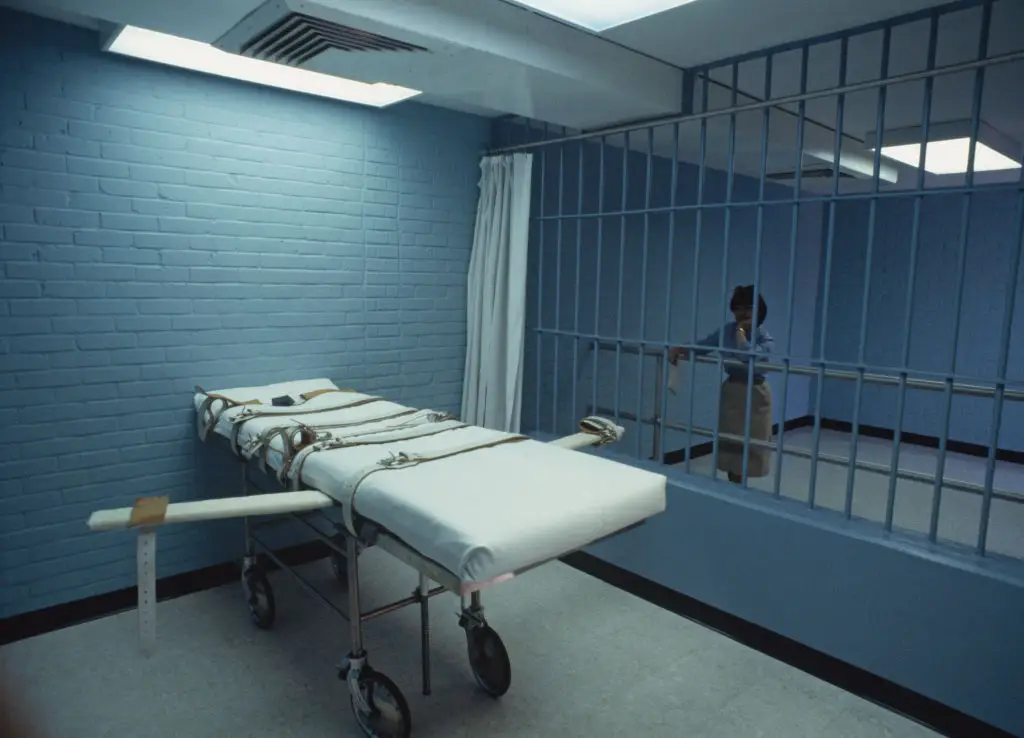
In the period after the death sentence was handed down, officials ran into an unexpected issue: nobody actually knew how to carry out the execution.
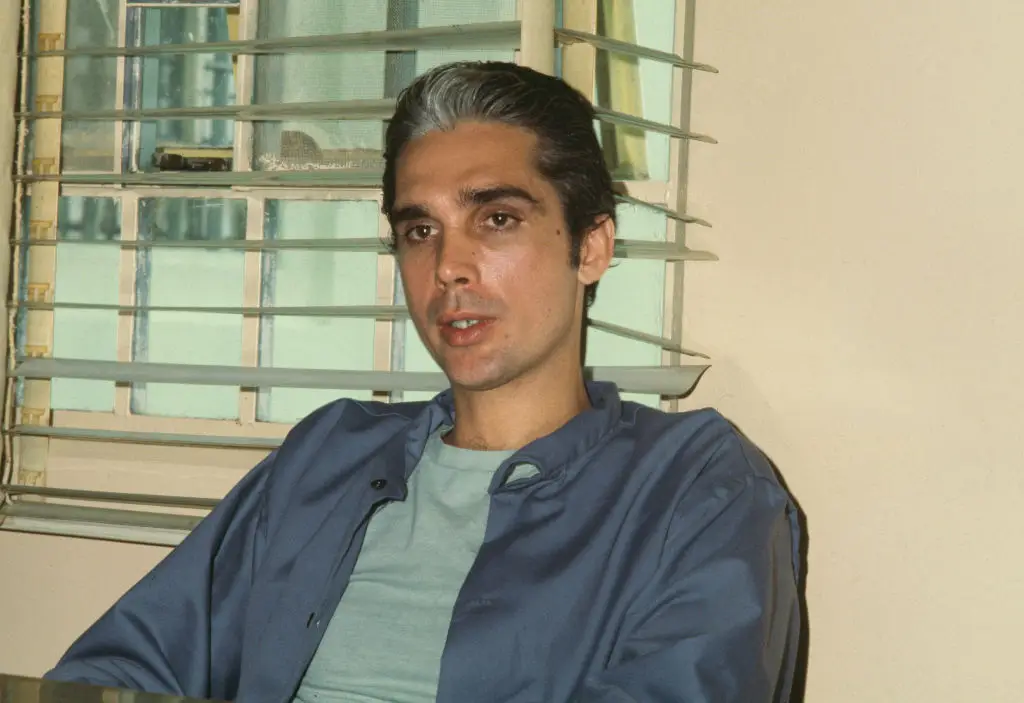
There were no written procedures explaining how to use the electric chair, and no designated executioner was in place.
“‘We had to start from scratch and rely on people’s memories,” said Richard Dugger, then assistant superintendent of Florida State Prison, speaking with the Ledger.
That uncertainty was partly because Florida had not carried out an execution in 15 years.
As the date approached, prison superintendent Dave Brierton looked for some way to ease Spenkelink’s nerves in his final hours.
He said: “‘It was a very difficult time for Spenkelink. It was a very difficult time for me. It was the loss of a human life.”
Hoping to, as he saw it, ‘take the edge off’, Brierton produced a bottle of Jack Daniel’s and instructed Dugger to see whether Spenkelink wanted a drink.
Dugger told UPI: “It seemed like a way to maybe calm the fellow down before he was supposed to go the the chair.
“We talked about tranquillizers, but we didn’t feel drugs were appropriate. Maybe you would say alcohol is a drug, I don’t know.
“We asked Spenkelink if he wanted a drink, and he said, ‘Sure.'”
Dugger later also drank with other condemned inmates, but Florida eventually tightened its last-meal rules so alcohol was no longer permitted. Today, Florida still allows death row inmates to request a special final meal, but it must be purchased locally, cost no more than $40, and cannot include alcohol.
Bob Dekle, who later served as chief prosecutor in Ted Bundy’s murder case, said the move angered many members of the public, with critics arguing that a convicted killer should not be given that kind of consideration.
Florida was not the only state to see controversy reshape its death row meal customs.
In Texas, the practice of allowing inmates to choose a final meal was abolished in 2011 after the execution of Lawrence Russell Brewer.
A report from Jacksonville.com said Brewer requested an enormous spread, including two chicken fried steaks, a triple-meat bacon cheeseburger, fried okra, a pound of barbecue, three fajitas and a meat lover