


A viral TikTok simulation is warning viewers about the toll daily cannabis use may take on the heart, lungs and brain.
Dr Boogie, a content creator on the platform, compiled data from multiple scientific studies into a video that has gained widespread attention for its unsettling breakdown of long-term marijuana effects. The clip comes amid expanding legalization and a cultural climate that often treats cannabis as relatively harmless compared with harder drugs.
The simulation opens with a basic mechanism: THC binds to brain receptors to produce short-term euphoria and altered perception. From there, it traces how daily use builds tolerance, forcing users to consume more to achieve the same high. That escalation, the video suggests, can reshape critical cognitive functions.
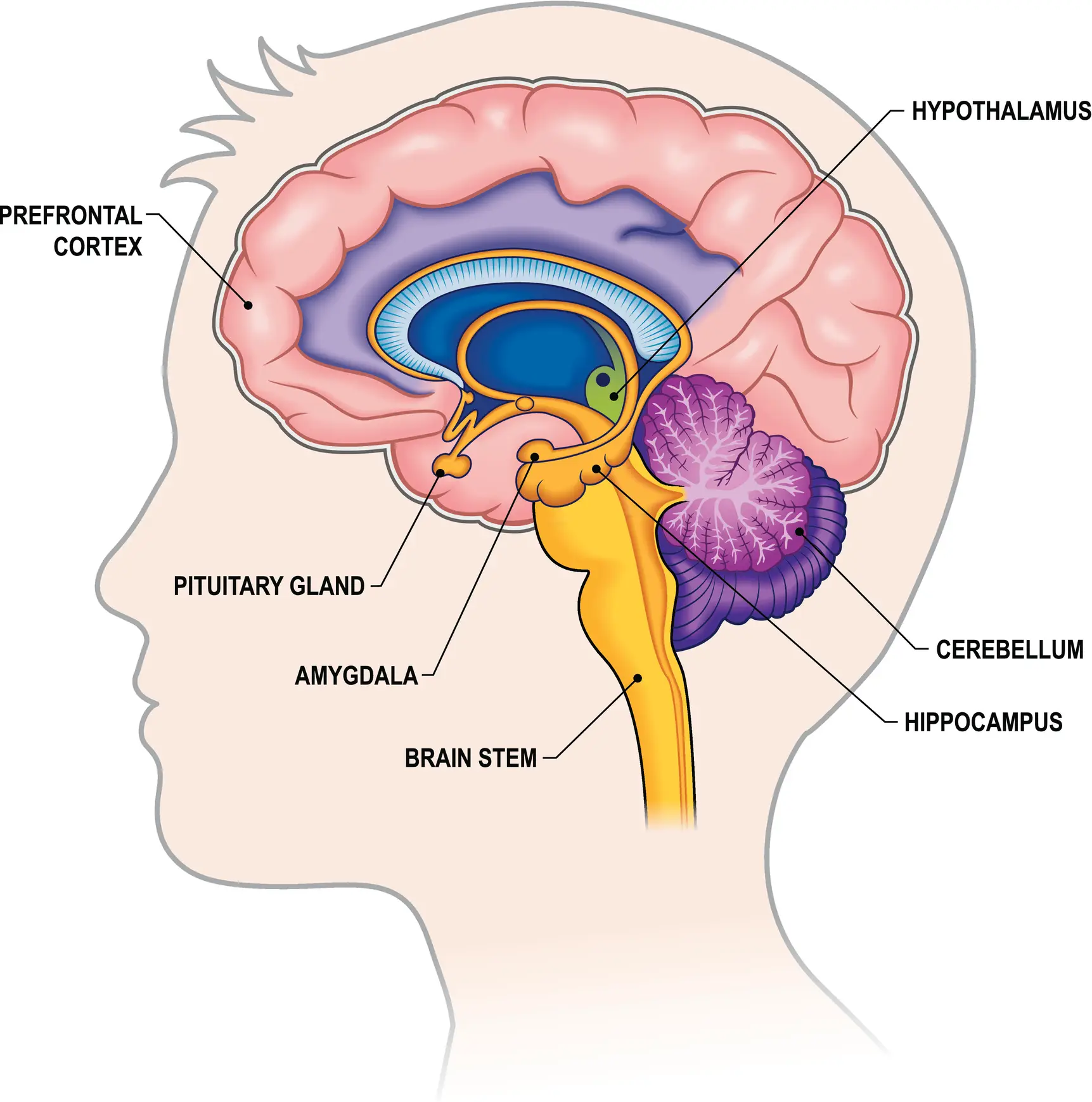
A 2022 Harvard study backs that claim with striking numbers. Researchers found that long-term cannabis users had lost an average of 5.5 IQ points since childhood and showed smaller hippocampi, the brain region governing memory and learning. The study concluded that cannabis caused greater cognitive impairment than either alcohol or tobacco use.
Healthline emphasizes that the risk is especially acute for younger users. “In people younger than 25 years, whose brains haven’t yet fully developed, long-term cannabis use can have a lasting detrimental impact on thinking and memory processes,” the health resource states.
The concern carries particular weight given current usage patterns. The UK’s Office for National Statistics reported in 2024 that 13.8 percent of people aged 16 to 24 had smoked cannabis within the past year.
Beyond cognition, the simulation flags rising anxiety and dependency risks. A 2024 study found that individuals hospitalized for cannabis-related issues were 3.7 times more likely to return to hospital within three years for an anxiety disorder. The video attributes this to THC’s stimulation of the amygdala, the brain’s threat-detection and emotional processing center.
Another study cited in the simulation found that regular teenage use was linked to accelerated thinning of the prefrontal cortex, a change associated with more impulsive behavior.
Psychosis represents perhaps the most alarming risk highlighted. A 2024 King’s College London study found that daily users of high-THC cannabis faced elevated psychosis risk regardless of their genetic predisposition to schizophrenia.
“These are important findings at a time of increasing use and potency of cannabis worldwide,” lead author Professor Marta di Forti wrote. “Our study indicates that daily users of high potency cannabis are at increased risk of developing psychosis independently from their [genetic risk of] schizophrenia.”
The respiratory toll mirrors that of tobacco, according to the simulation. Heavy daily users may develop chronic cough, increased phlegm, bronchitis symptoms and airway inflammation. The American Lung Association notes that marijuana smoke injures the cell linings of the large airways.
Cardiovascular dangers also feature prominently. One study found cannabis users under 50 were six times more likely to suffer heart attacks compared with non-users.
The simulation stresses that outcomes vary based on genetics, age of first use and consumption level, with effects described as “dose dependent” and “often worse with heavy use.”

Relief may come relatively quickly for those who quit, though managing withdrawal symptoms remains a hurdle. The video’s overall arc suggests that while moderation may allow safer enjoyment, daily dependence opens the door to a cascade of organ system damage.
The piece arrives as cannabis occupies an increasingly complex position in public health discourse. Legal in numerous US states and increasingly normalized, it still carries classification as a Class B drug in the UK and draws growing scientific scrutiny as potency rises and youth access expands.
Dr Boogie’s compilation has clearly tapped into this tension, packaging peer-reviewed findings into the shareable format that drives platform engagement. Whether the shock-value presentation converts viewers into more cautious consumers remains an open question.