


A bizarre wellness craze making the rounds online might sound stomach-turning at first, but one doctor says there is a good reason to consider it.
The term ‘fart walk’ has exploded across social media, and the meaning is about as literal as it gets: taking a walk after eating and, inevitably for some, passing gas along the way.
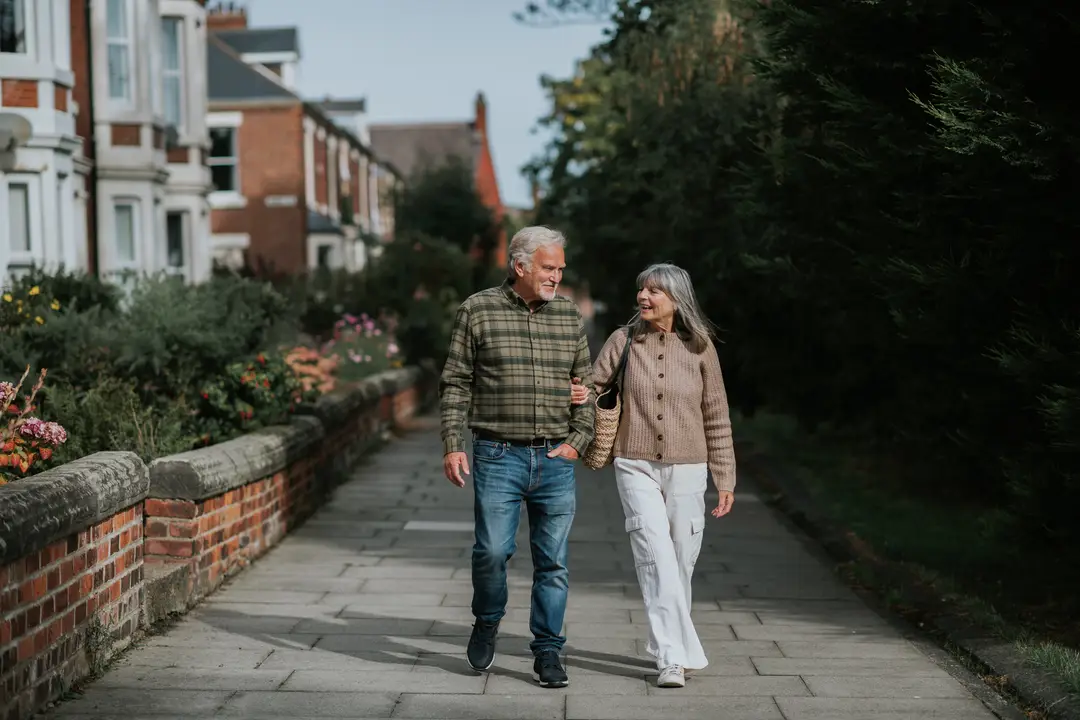
The conversation took off after one woman shared that she and her husband regularly head out for these post-dinner strolls. Unusual as it may sound, she says there is a health motivation behind it.
Mairlyn Smith P.H.Ec. Explained that the couple usually go on their so-called ‘fart walks’ around an hour after sitting down for their evening meal.
According to Smith, the habit is especially useful because she and her husband eat plenty of fibre, and she believes the walks are ‘helping to reduce their chances of developing Type 2 diabetes’.
The Cleveland Clinic describes Type 2 diabetes as a chronic condition that happens when you have constant high blood sugar. The condition develops when the body either does not use insulin properly or cannot produce enough of it.
The National Institute of Diabetes and Digestive and Kidney Diseases says people aged 45 and older are more likely to develop it, along with those who are overweight or who have a family history of the disease.
Smith has also been very open about the digestive side of things, saying that because of the amount of fibre she and her husband consume, ‘have a lot of gas,’ and ‘you fart when you walk’.
She has also argued that the routine can support healthy ageing.
“Aging is a privilege,” she writes. “Life is so short ~ we just never know what health issues both mental & physical are coming down the pike.”
A medical expert has since responded to the trend, and his view is firmly in support of it.
While plenty of people may be tempted to laugh the idea off, Doctor Tim Tiutan says there are real digestive and metabolic benefits behind taking a walk after a meal.
In a stitch of the original Instagram clip, he explained that walking after eating encourages ‘intestinal mobility’ and the ‘movement of the intestines’.
That process can help the body move trapped gas along and may also lower the chances of constipation.

Tiutan added that post-meal walking can also ‘prevents large spikes in blood sugar’ and may reduce cancer risk too.
“I totally support fart walks,” he said.
So, if a doctor ever suggests a post-dinner stroll for your health, the recommendation may not be as strange as it first sounds.
And for anyone who likes the walking idea but would rather skip the name, the benefits may still apply regardless.
Experts generally say the main value of a post-meal walk is that it can help your muscles use glucose more efficiently and may blunt the sharp rise in blood sugar that follows eating, particularly after a carbohydrate-heavy meal.
Even a short walk can make a difference. Health experts say light movement after eating may help digestion, reduce bloating and support better blood sugar control, and the habit can be especially useful for people trying to lower their risk of Type 2 diabetes.
Research does support the value of walking after meals, especially when it comes to blood sugar control.
One study from researchers at the University of Otago in New Zealand, published in Diabetologia, found that taking short walks after meals was more effective than doing a single 30-minute walk each day.
The Diabetes Research & Wellness Foundation says the findings showed participants could ‘ reduce their blood glucose levels by around 12% compared with a single 30-minute walk,’ when they took those shorter walks after eating.
There is also evidence linking daily activity to a lower cancer risk. A study involving more than 85,000 adults in the United Kingdom found that people taking part ‘in light- and moderate-to-vigorous-intensity daily physical activity’ were less likely to develop the disease.
That does not mean a fart walk is a magic fix, though. Doctors usually describe it as one helpful habit among many, alongside a balanced diet, regular exercise and other healthy routines.
For people who are living with diabetes, or who take insulin or other medicines that can lower blood sugar, it is still wise to check with a clinician about when and how to exercise safely.
In other words, the internet’s oddest health habit may not be so ridiculous after all.