

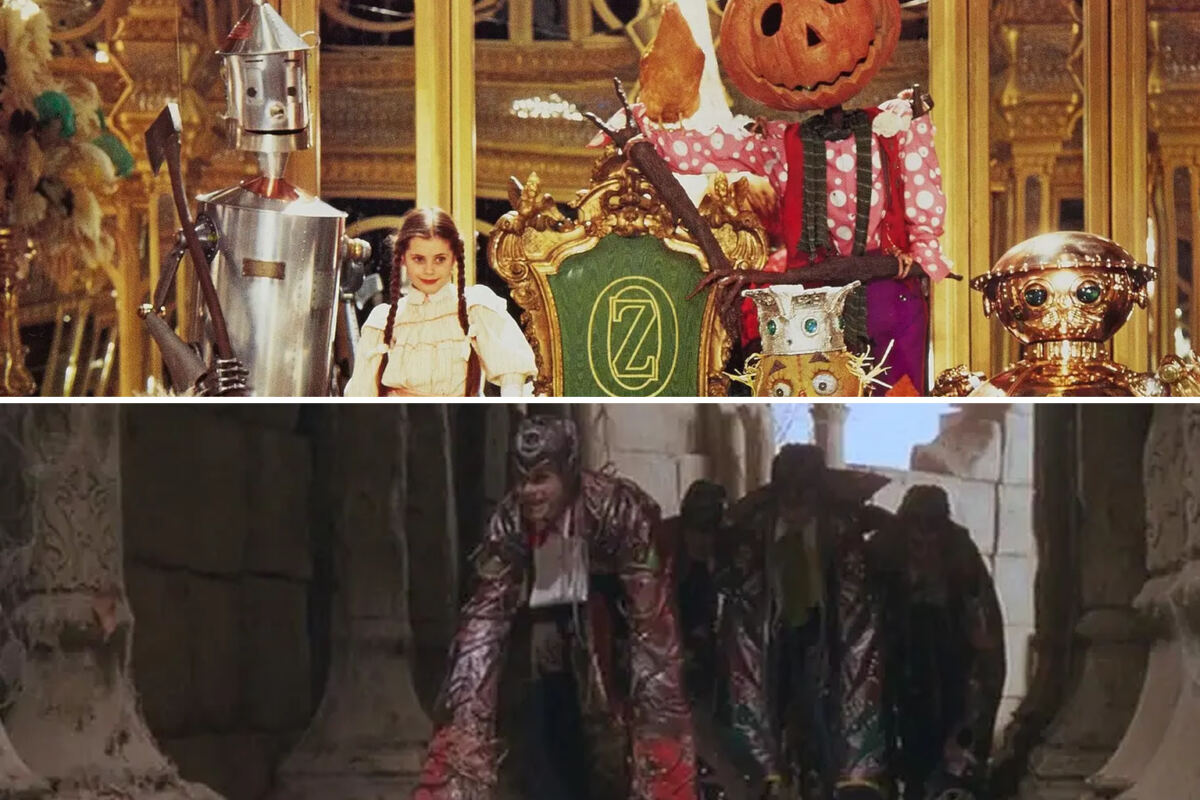
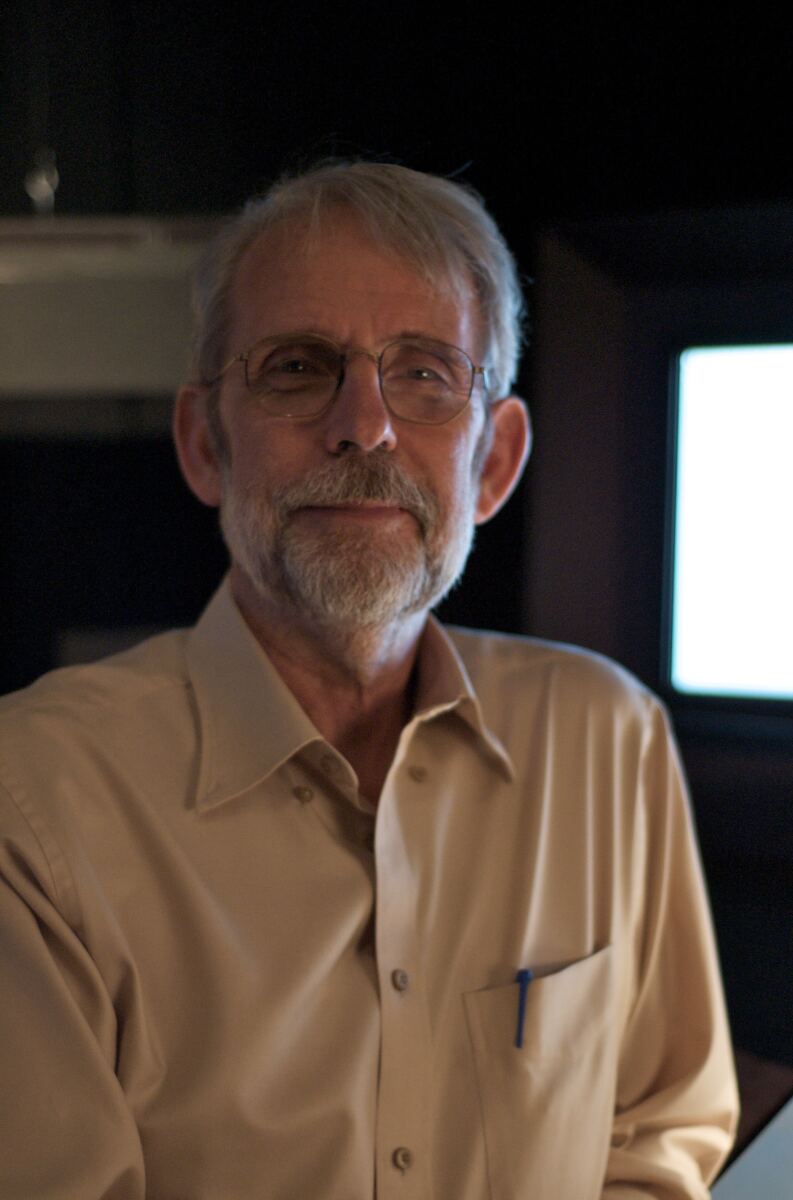
Return to Oz director Walter Murch has defended his 1985 dark fantasy sequel against decades of criticism that it terrified children.
Murch, 81, an Oscar-winning film editor and sound designer who made his directorial debut with the Disney release, addressed the controversy in a documentary marking the film’s 40th anniversary. He pushed back against the widespread perception that the movie was too frightening for its intended young audience.
“reports said this is too scary for kids,” Murch said in the documentary. “I thought, well, kids are looking at films with heads being chopped off and blood gushing everywhere, and nothing like that happens in this film.”
“No-one even touches anyone else to hurt them,” he continued.
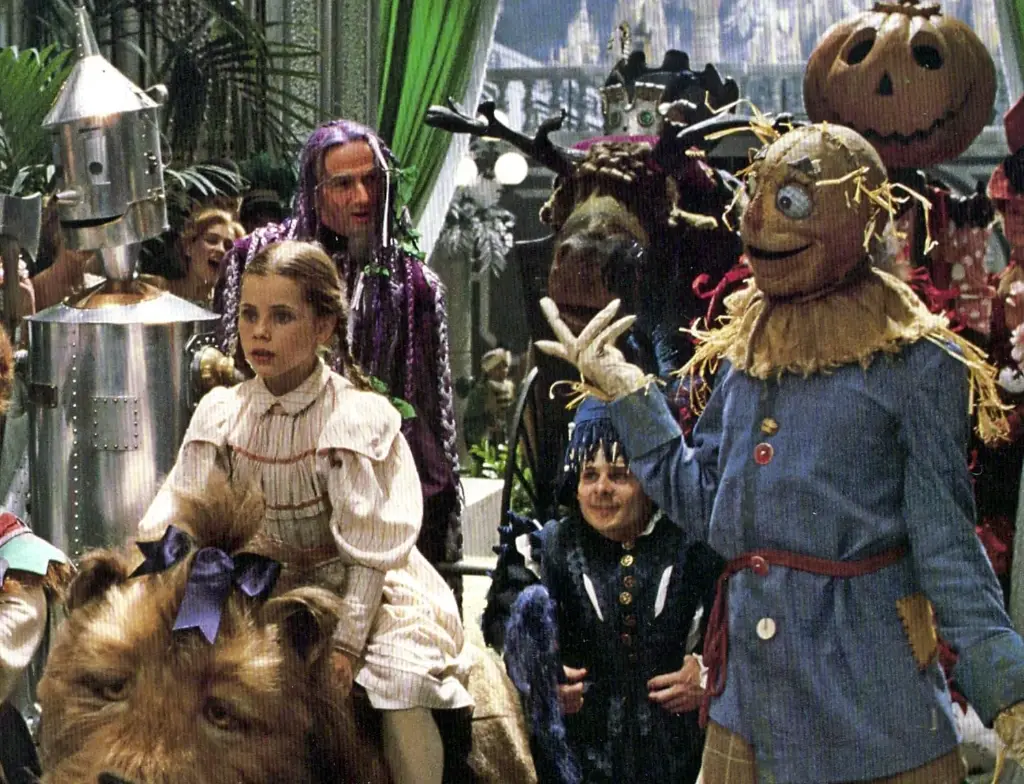
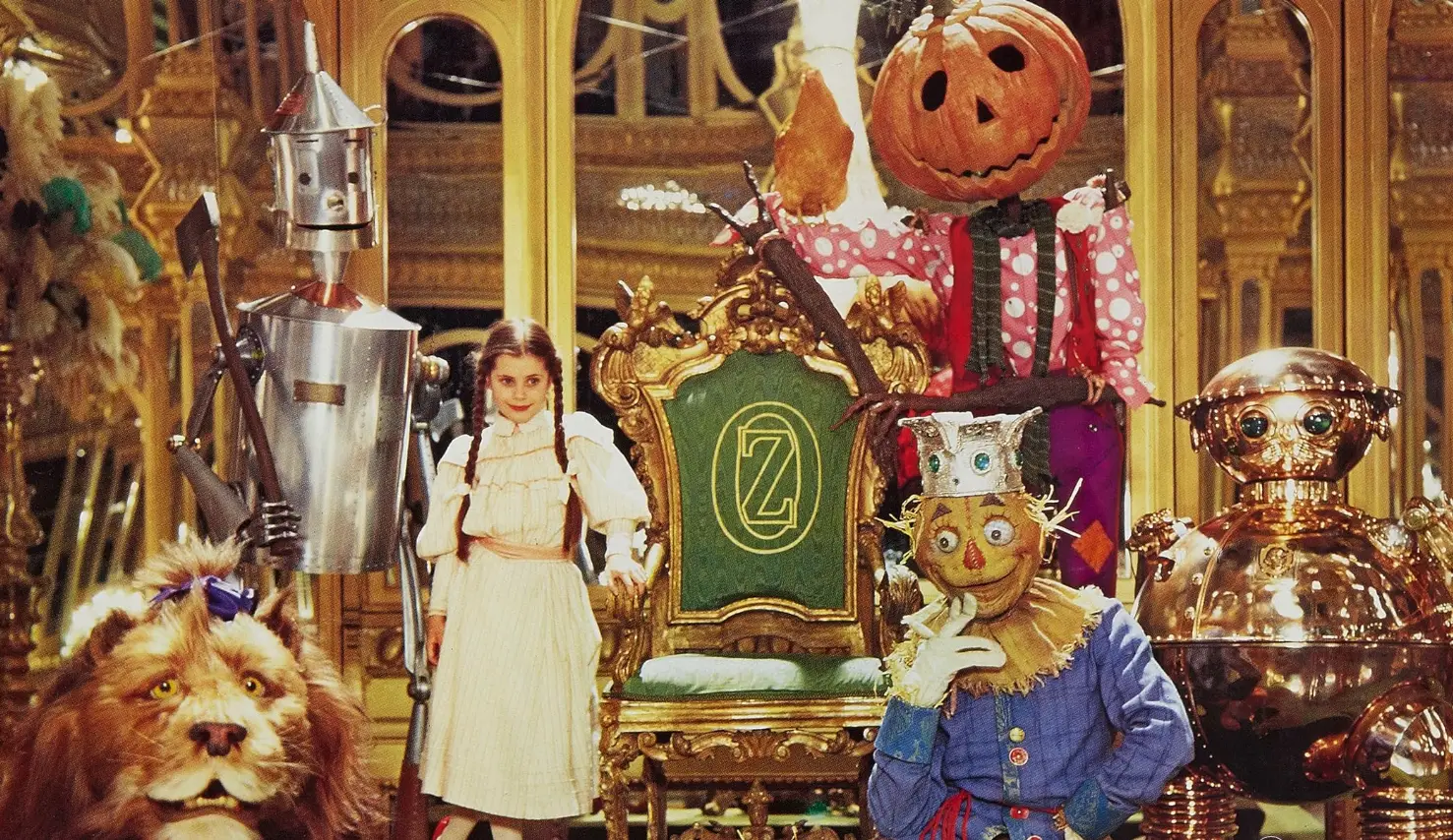
The film follows Dorothy Gale, played by Fairuza Balk, on her return to the Land of Oz only to find the Emerald City in ruins and the fantasy land conquered by the cruel Nome King. She joins forces with new companions including Tik-Tok, Jack Pumpkinhead and the Gump to defeat the evil rulers and restore Oz.
The movie’s reputation for horror stems largely from Princess Mombi, a head-hunting villain whose chamber of disembodied children’s heads remains one of cinema’s most unsettling sequences for young viewers. In the scene, Dorothy sneaks into Mombi’s collection to steal the Powder of Life, but the severed heads wake up, scream her name, and Mombi’s headless body chases her through the corridors.
Disney itself describes the Wheelers, another of the film’s creations, as “creepy” on its official listing, which categorizes the film as adventure, family and fantasy. The Wheelers are bizarre creatures with wheels for hands and feet, freaky faces on their helmets, and a menacing presence that has haunted viewers for decades.
On Reddit, the film continues to generate visceral reactions from adults who first saw it as children. “I still find it absolutely terrifying, and I’m 29. Anyone find this film a scary ride?” one user wrote in a forum discussion. “Even the good guys are kind of creepy in their ways,” another added. “Like Jack asking Dorothy to check if the inside of his head is starting to rot was unnerving to young me.”
A third user recalled: “I always found it scary, even the things that weren’t meant to be – like the severed head attached to a sofa they rode about. It was all so weird. The Wheelers were the worst though.”
The film’s opening sequences before Oz are equally disturbing. Dorothy is committed to a psychiatric institution because she insists Oz is real, and a creepy doctor prepares to administer electroconvulsive therapy to erase her memories. “The movie begins with Dorothy being committed to an asylum and then set up for electro-shock treatment, and that’s all before all the stuff in Oz happens,” one Reddit user noted.
Contemporary critics were harsh. Reviewers Siskel and Ebert labelled it “trashy” and warned it would terrify children. The Guardian later wrote that the film exists today “largely in the nightmares of fortysomethings,” though it praised the “devastatingly dark movie” for its “dizzying sense of ambition and a dazzling central turn.” The BBC described it as one of the “darkest children’s films ever made.”
Despite the mixed critical reception and poor box office performance against its $28 million budget, Return to Oz has become a cult favorite with a 71 percent rating on Rotten Tomatoes from more than 50,000 ratings.
The film’s enduring notoriety centers on imagery that subverted expectations for a Disney children’s fantasy: the psychiatric ward, the electroshock therapy, the Wheelers’ mechanical menace, and above all Mombi’s screaming, disembodied heads. Murch’s documentary defense acknowledges the fear while contextualizing it against more explicit violence in other films.
The American Cinematheque honored Murch’s career with a retrospective that included Return to Oz, recognizing its place in the filmmaker’s distinguished body of work. Murch is widely celebrated for his editing and sound design on films including Apocalypse Now and The Godfather Part II.
The original 1939 MGM musical The Wizard of Oz established Dorothy’s journey as family entertainment, but Return to Oz took L. Frank Baum’s later novels as source material and pursued a markedly darker visual and emotional palette. Where Judy Garland’s Oz was Technicolor wonder, Balk’s was post-apocalyptic ruin.
The film’s reappraisal continues as new generations discover it through streaming and revival screenings, with many viewers embracing its unconventional approach to children’s fantasy even as others maintain that certain sequences crossed into genuine horror territory.
The Walter Murch retrospective programme including Return to Oz continues at select cinematheque venues.