

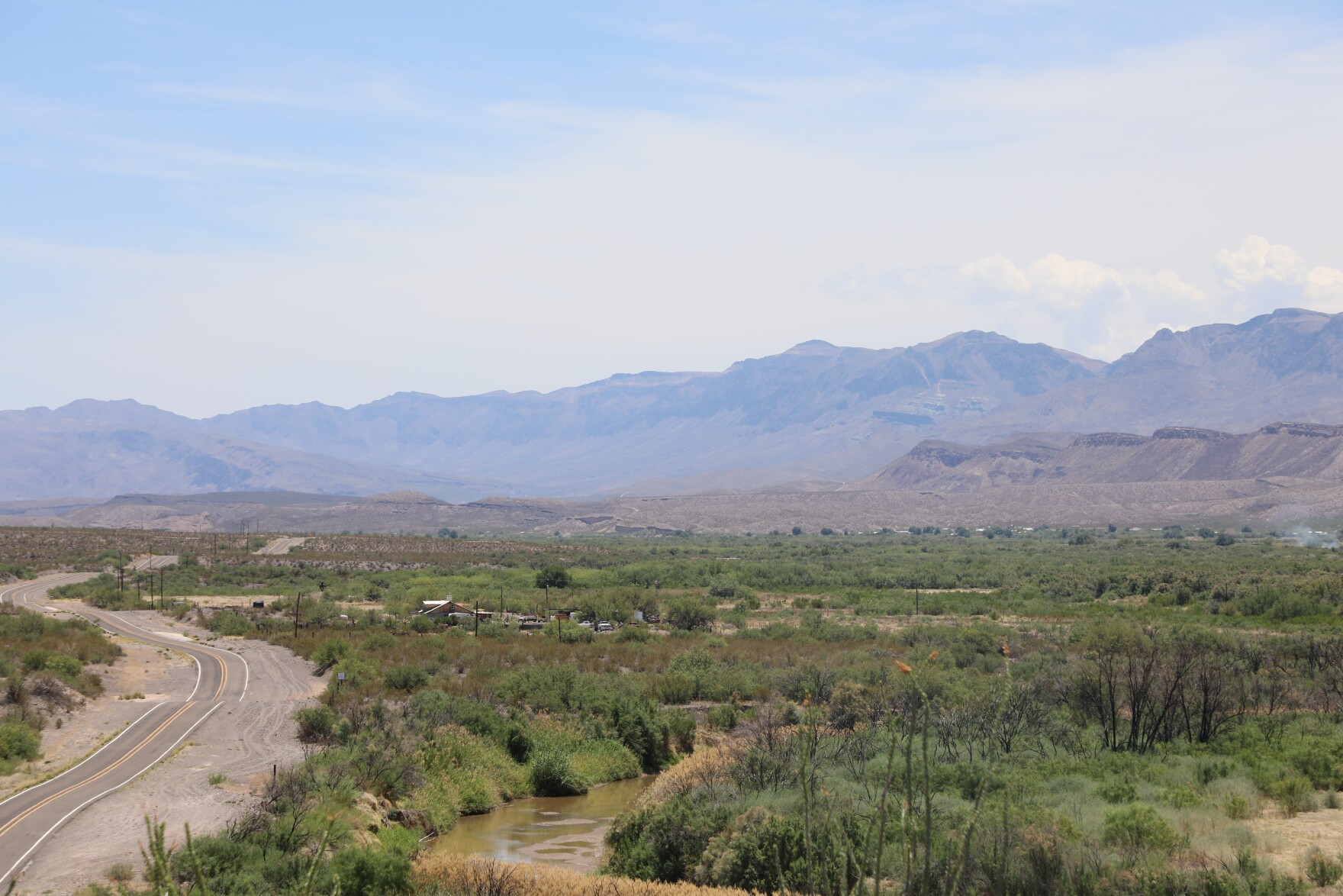
In a significant setback for opponents of the Trump administration’s border wall expansion, a federal judge ruled on Sunday that the Department of Homeland Security can proceed with constructing a barrier through Presidio, Texas, despite local concerns about a critical levee system that protects the community from flooding.
U.S. District Judge Reggie B. Walton rejected a request by the Presidio Municipal Development District, a local economic development group, to temporarily block construction while litigation continues. The development district had sued DHS and U.S. Customs and Border Protection in June, claiming the agencies violated the Rivers and Harbors Act of 1899 by failing to seek approval from the U.S. Army Corps of Engineers before building along the city’s levee system.
The town’s concerns are rooted in tragic history. Presidio’s levee system has been strengthened significantly since a devastating 2008 flood that required the community to fill roughly 40,000 sandbags and deploy Chinook helicopters to drop massive reinforcements along the levee. The International Boundary and Water Commission invested millions of dollars upgrading the flood protection infrastructure in response to that disaster, and local officials fear the proposed wall construction could compromise those critical defenses.
The Trump administration’s plan calls for replacing the earthen slope of the existing levee with a concrete wall topped by 30-foot steel bollard panels. Local officials argue this could jeopardize flood protection in an area where flash flooding represents a recurring threat. The development district claimed the construction plan could lead to “deadly” flooding if not properly evaluated.
However, the administration’s approach proved insurmountable in court. On July 2, just two weeks after the lawsuit was filed, Homeland Security Secretary Markwayne Mullin waived the Rivers and Harbors Act entirely, invoking his authority under the Illegal Immigration Reform and Immigrant Responsibility Act of 1996. This legal maneuver allowed DHS to bypass the requirement for Army Corps of Engineers approval.
In his ruling, Walton noted that Congress appeared to have given the DHS Secretary broad authority to waive legal requirements for border infrastructure projects. “It is clear that Congress did not intend to limit the Secretary of DHS’s waiver authority,” the judge wrote. The preliminary nature of the border wall plans also worked against the town’s case. Walton observed that the development district’s complaint conspicuously lacked evidence that any action had actually impacted the levee system itself, since no final design for the wall had been completed.
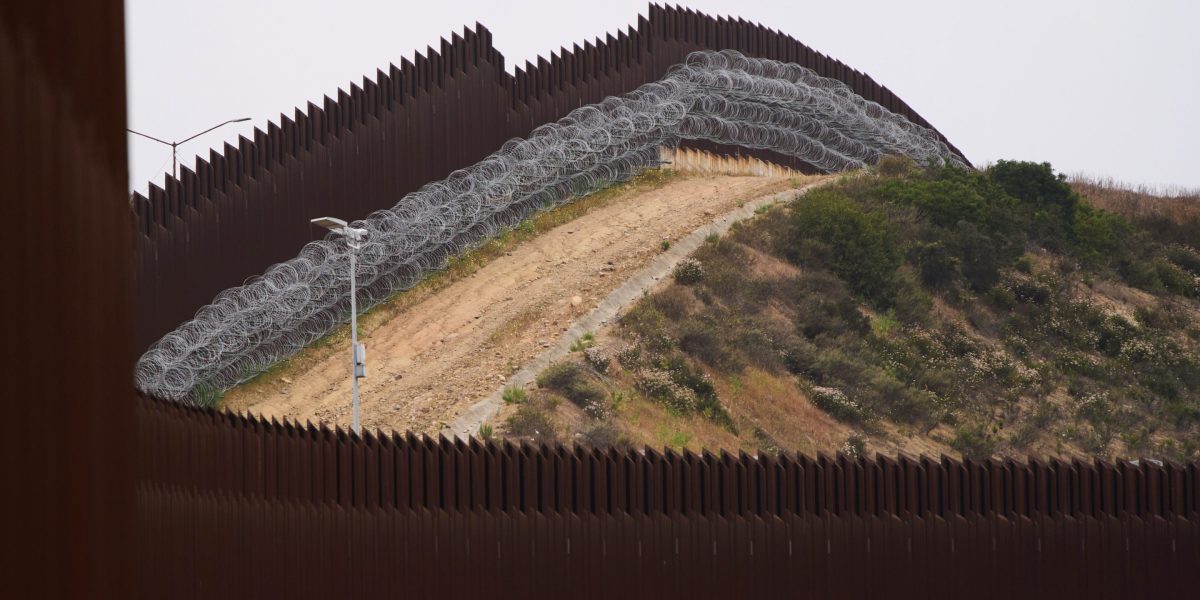
When representatives for DHS argued that a border wall would increase security in the region and that their goal was “zero illegal crossings,” Walton expressed skepticism. “You’re never going to get that,” the judge responded, noting it is simply reality that people will always attempt to cross the border.
The Trump administration is moving forward with border wall construction across the Big Bend region despite what officials characterize as low border crossing numbers in the area. The Big Bend Sector, which comprises about a quarter of the U.S.-Mexico border, has accounted for only approximately 1.7 percent of recent apprehensions along the entire border, according to federal data.
The broader context of the administration’s wall expansion shows a pattern of awarding contracts before securing land ownership. The Department of Homeland Security secured $46.5 billion for border barrier construction through the One Big Beautiful Bill Act, and has already begun issuing contracts for wall construction in Texas despite owning very little of the necessary property. In some cases, border landowners have been offered signing bonuses of up to $5,000 to allow government contractors to survey their property and begin construction before the government has purchased or condemned the land.
DHS has stated that it intends to collaborate with the Army Corps of Engineers on the wall project, and noted that construction timelines could begin as early as August. However, a lawyer for the Justice Department suggested earlier that actual construction would likely start in late August, September, or October, depending on various logistical factors.
The lawsuit brought by the Presidio Municipal Development District is not immediately concluded by Walton’s ruling. The Trump administration has yet to file a formal response to the development district’s original complaint. Walton has ordered the government to file that response by August 21.
Democracy Forward, the legal organization representing Presidio’s development district, expressed disappointment with the outcome. “We are very disappointed that the court will allow this potentially disastrous construction to continue, but we remain committed to protecting the Big Bend area and those who rely on the threatened levees,” the group said. Attorneys for the development district contend that the administration’s approach represents an extraordinary exertion of governmental authority by waiving numerous state and federal laws to accelerate the border wall project.