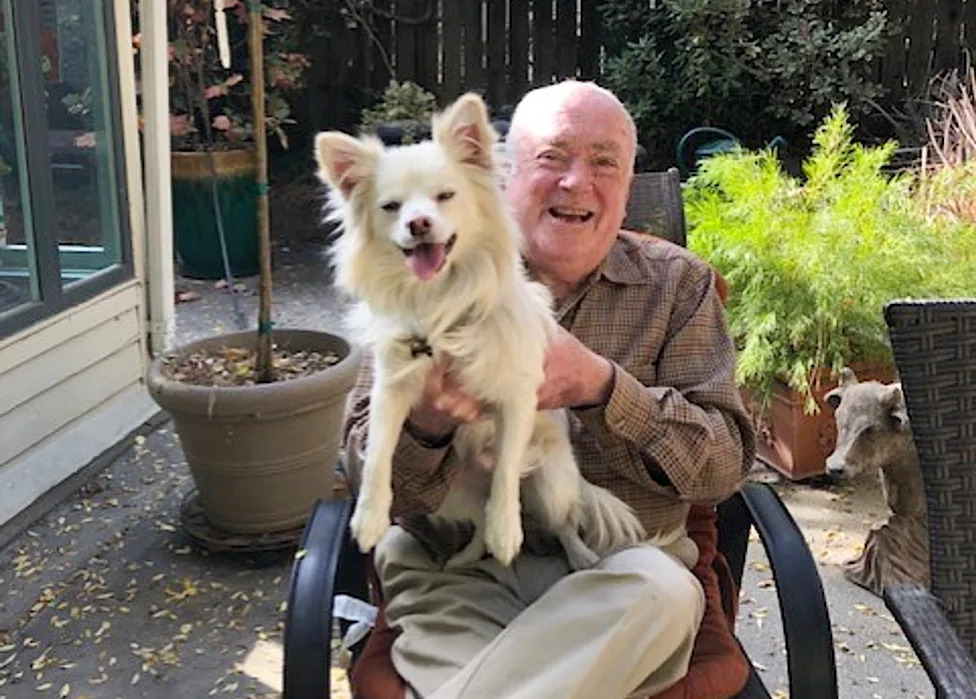
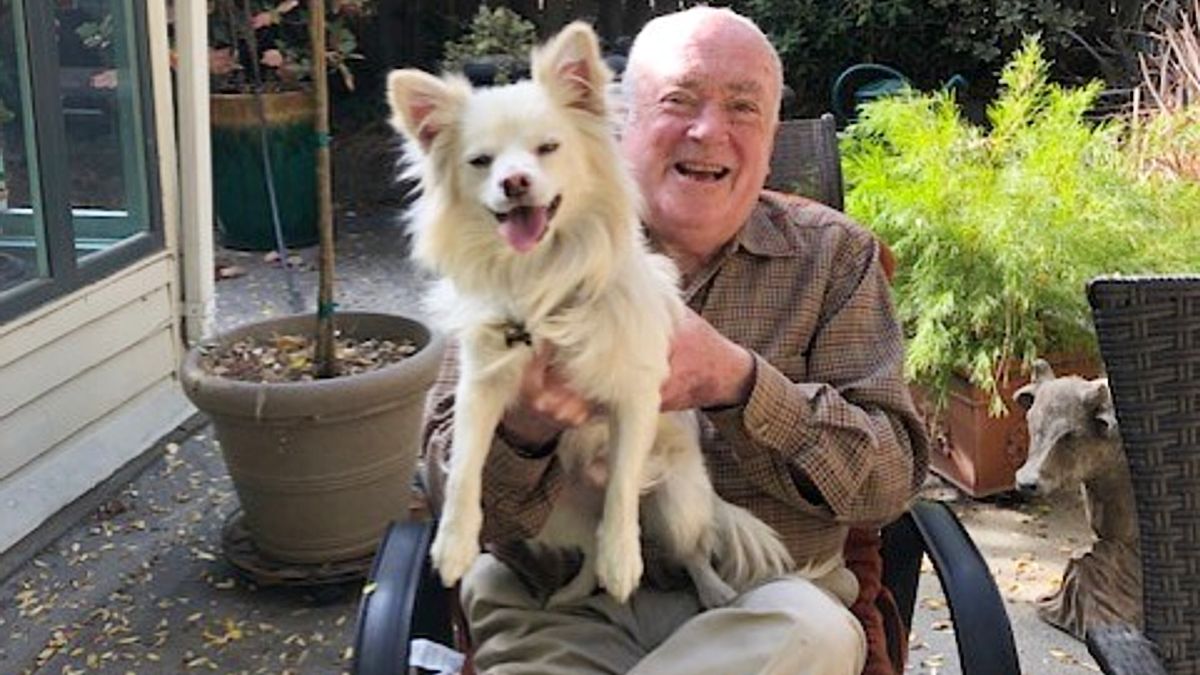
Andy Lippman, the longtime Los Angeles bureau chief for the outlet who oversaw coverage of some of the most significant events of the 20th century, has died at 78. He died at his home in Tucson on July 25, according to his brother, Glenn. He died from multiple system atrophy, a rare brain disease.
Lippman’s three-decade-plus career with the AP spanned from 1971 to the early 2000s and took him through bureau chiefs posts in Louisville, Indianapolis and Los Angeles. Among the defining moments he shepherded through the newsroom was the so-called Trial of the Century when former football legend O.J. Simpson faced charges of killing his ex-wife Nicole Brown Simpson and her friend Ronald Goldman. Simpson was acquitted of the charges. Lippman also oversaw coverage of the deadly 1992 Los Angeles riots that erupted after four white police officers were acquitted in the videotaped beating of Black motorist Rodney King. He supervised reporting on the devastating 1994 Northridge earthquake that killed more than 70 people and caused $20 billion in damage.
His tenure in Los Angeles placed him at the center of some of the nation’s most dramatic moments. In 1991, Lippman had his sports writers investigate rumors about Los Angeles Lakers superstar Magic Johnson, and they confirmed that he was about to announce his retirement after contracting the AIDS virus. Years earlier, one of Lippman’s first major assignments in Los Angeles involved helping report on the landing of the first space shuttle in 1981, a feat that required reporters to string landline across the desert floor.
Born April 29, 1948, in Washington, D.C., Lippman showed early signs of his calling to journalism. He worked for his middle school newspaper and served as editor of Bethesda’s Walter Johnson High School newspaper, The Pitch, during his senior year. At age 15, he started writing for pay, covering high school sports for the Washington Daily News on weekends.
After graduating from the Medill School of Journalism at Northwestern University in 1970, Lippman began his AP career in 1971 with a vacation relief job at the Phoenix bureau. He became a permanent member of the Tucson staff a year later, then moved to the AP’s national sports desk in New York before relocating to Cincinnati as an AP correspondent. From there he moved to Louisville before eventually ascending to the Los Angeles bureau chief position, where he spent his most consequential years.
Lippman’s leadership was defined not just by the stories he covered but by how he developed journalists. Retired AP President and CEO Louis D. Boccardi, who appointed Lippman to lead the Los Angeles bureau, said: “If you were in a lab and charged with creating a model bureau chief, your model could well be Andy Lippman.” Boccardi noted that Lippman possessed “a sharp news sense, energy without limits, loyalty to, and appreciation for, his staff wherever we sent him, a passion to serve AP members that made the bond seem more like family than business, limitless enthusiasm, thoughtfulness in matters large and small.”
A gifted writer and editor, Lippman likely made his greatest contribution to journalism through the many young editors and reporters he recruited and mentored in his soft-spoken but enthusiastic manner, shepherding them to accomplishments they would later acknowledge they hadn’t thought possible. He had the ability to become friends with practically everybody he met, including those he supervised.
Particularly in Los Angeles, Lippman was remembered for his thoughtfulness. Even after his retirement, he would surprise staffers stuck working on Thanksgiving by showing up with a full meal — turkey, mashed potatoes, gravy, the works, and dessert. Retired AP bureau chief and regional vice president Paul Stevens, who met Lippman in 1982 when they were fellow bureau chiefs in adjoining states, recalled their friendship warmly. “One year, he invited our then-teenage daughters to join him as his guests for the Academy Awards program in Los Angeles. He came to family weddings. And we were there for each other in the tough times, including the deaths of our parents,” Stevens said.
In 2005, the AP honored him with the Oliver S. Gramling Spirit Award, given to staff members who display dedication, courage and devotion to their calling. After his career with the AP ended, Lippman remained active in his community, volunteering with the PUENTE Learning Center to help immigrants prepare for their U.S. Citizenship exams. Over the years he helped nearly 70 students become U.S. Citizens, a source of great pride for him.