

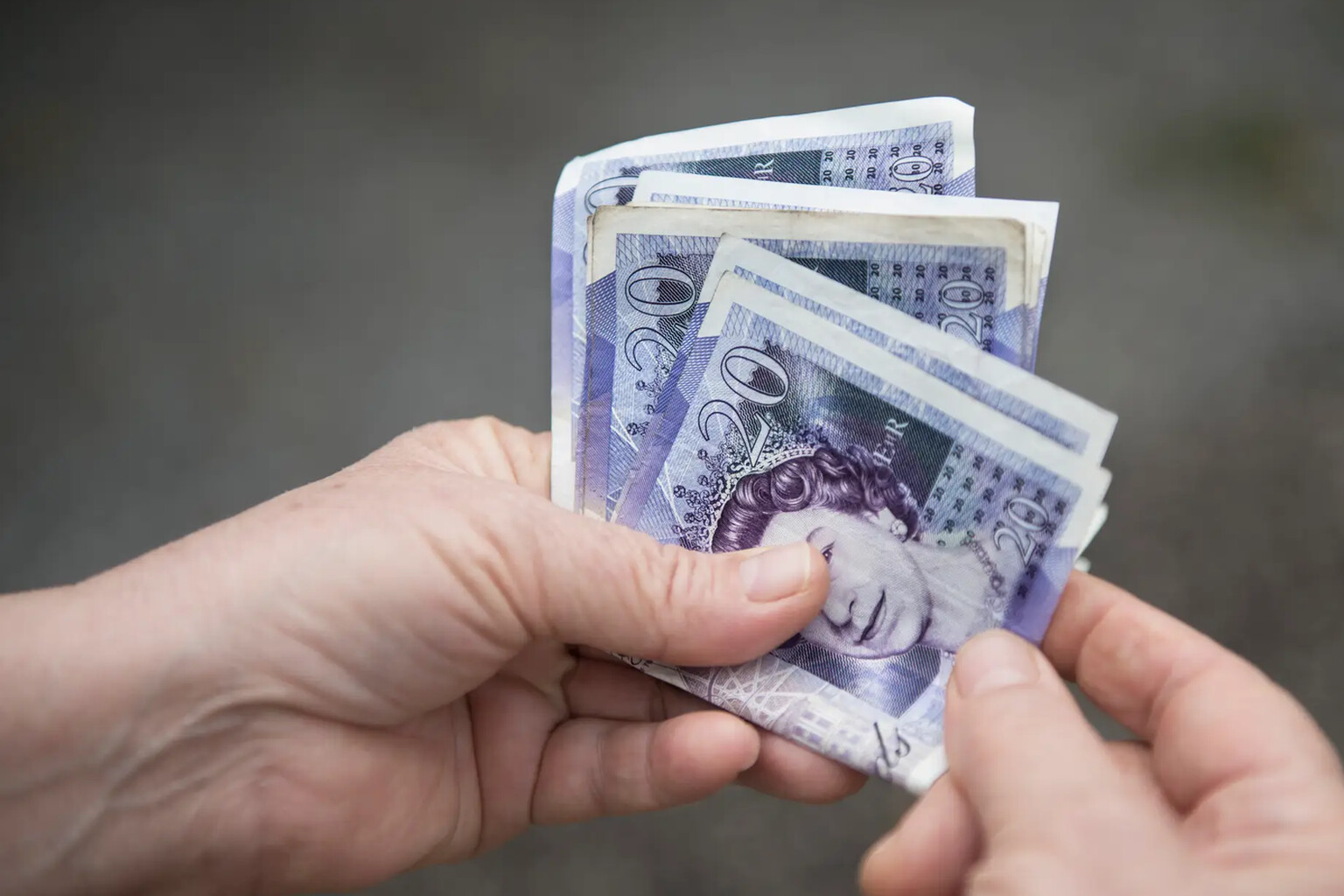
Chancellor John Healey is expected to unveil a minimum wage hike in Wednesday’s autumn budget that could add nearly £1,000 a year to workers’ pay packets.
The proposed increase would lift the National Living Wage for workers over 21 from £12.71 to £13.20 per hour, a 3.9 percent rise of 49 pence, according to a Times report cited in the coverage. That bump, applied across a standard 37.5-hour week over 52 weeks, pencils out to roughly £956 in additional gross pay annually. For part-time employees clocking 18.75 hours weekly, the same rate would yield about £477.75 extra per year before tax.
The National Minimum Wage for 18- to 20-year-olds would also climb 3.9 percent, reaching £11.27 under the reported plan. Both changes would take effect next year if confirmed. The exact figures remain unofficial ahead of Healey’s announcement on 28 October.
Emily Sawh, co-director of the Living Wage Foundation, pushed back against framing the reported increase as a full solution. “This reported increase in the legal minimum wage will be welcome news for the millions of workers facing continued pressure on household finances,” she said. “But even with this rise, many workers will continue to struggle to meet everyday costs. As household budgets remain stretched, it’s more important than ever that work pays.”
Sawh continued: “That’s why nearly 17,000 employers have voluntarily committed to paying the real Living Wage, ensuring their staff earn a wage that reflects the real cost of living and what people need to get by. The real Living Wage remains the only UK wage rate independently calculated and rooted in the cost of living.”
Her organization’s independently calculated living wage stands at £14.10 outside London and £15.45 in the capital, figures that underscore the gap between the statutory minimum and what the foundation argues workers actually need.
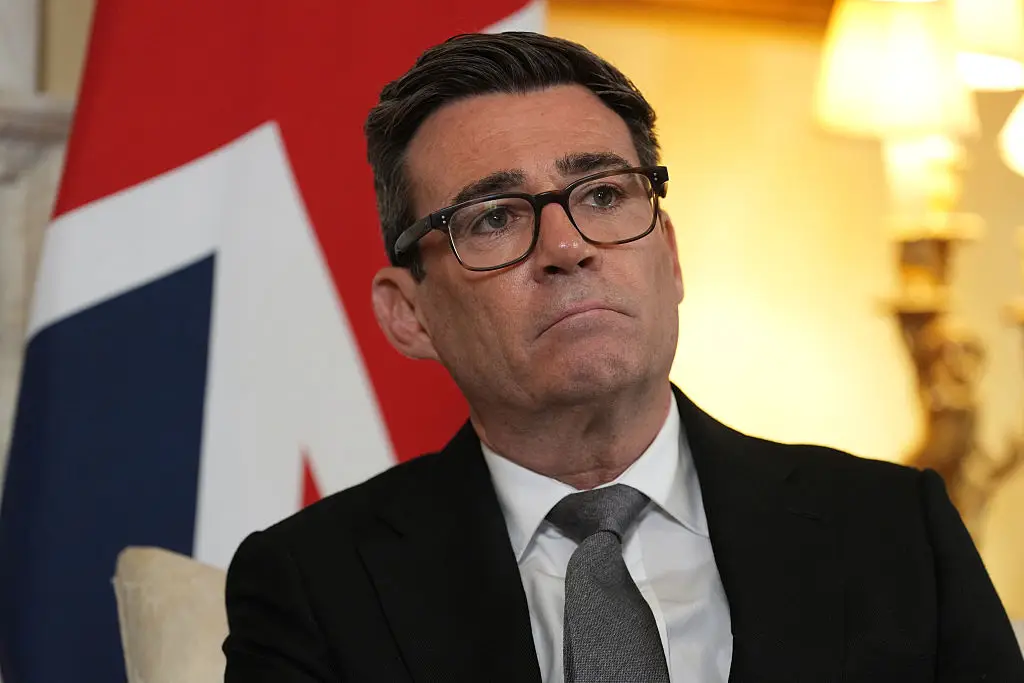
The wage announcement lands during Andy Burnham’s first budget since becoming Prime Minister in July. The fiscal package is also expected to address student loan repayments, fuel duty, energy costs, and a fuel mileage tax, marking a broad economic statement from the new Labour government.
The reported 3.9 percent increase for both age brackets would represent a shift from the previous approach of boosting younger workers’ pay at a faster clip. Labour’s 2024 election manifesto had pledged to eliminate what it called “discriminatory” minimum wage bands and align 18- to 20-year-olds’ pay with older workers’ rates before 2030. Wednesday’s expected move breaks from that trajectory by applying equal percentage increases across groups.
The budget date, 28 October, arrives two years after that manifesto commitment and sets the timeline for any confirmed wage changes to follow in 2026.