

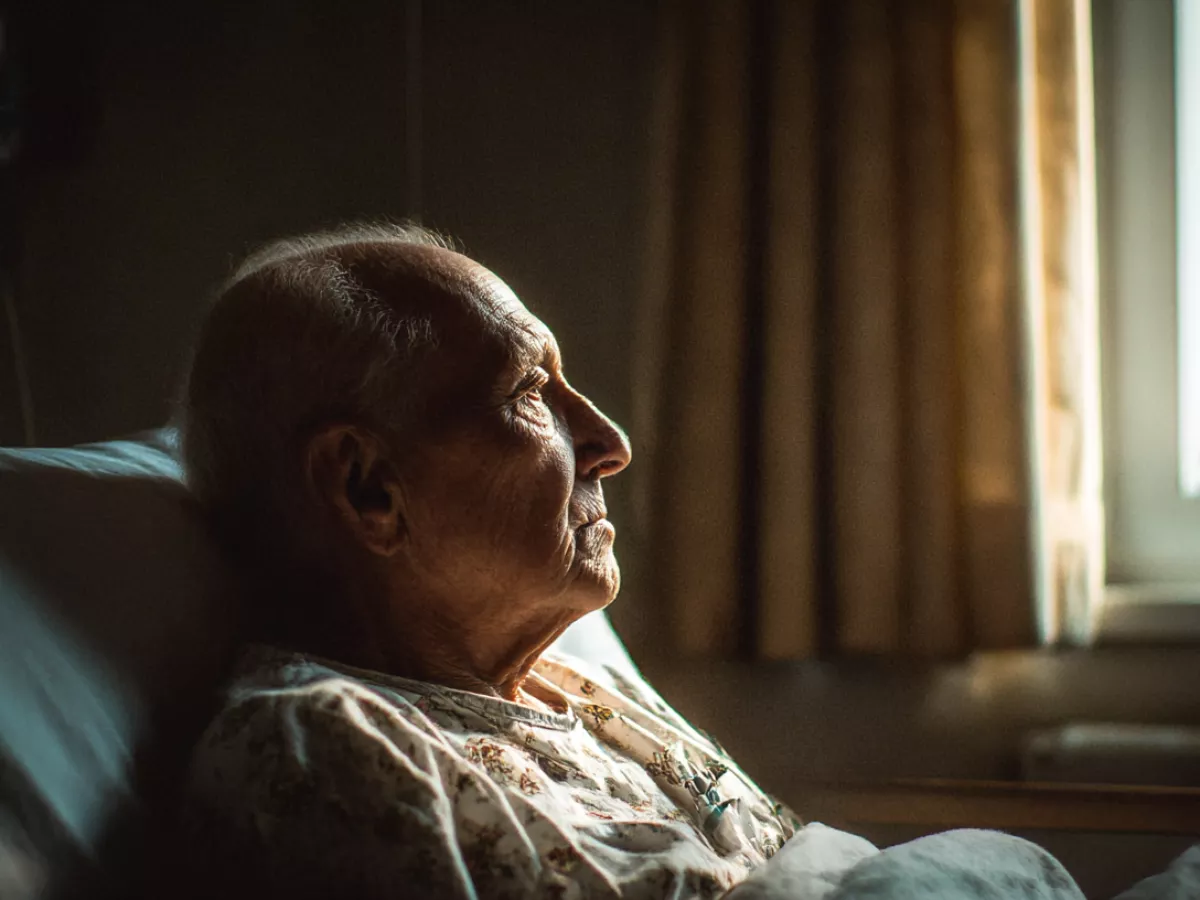
Half of Massachusetts nursing homes are failing to meet the state’s staffing requirements, according to new data, leaving residents at risk of medication errors, falls, pressure ulcers, and other serious harms linked to insufficient care.
A New Bedford Light investigation found that 51 percent of the state’s nursing homes were out of compliance with staffing standards at the end of 2025, either lacking adequate overall nursing staff or failing to employ enough registered nurses. Some facilities fell short on both measures. The finding comes five years after Massachusetts introduced its staffing standards intended to improve care.
The prevalence of understaffing is part of a broader pattern. From 2021 to 2024, between 53 and 74 percent of nursing homes failed to meet overall staffing minimums, indicating that compliance has improved but remains persistently inadequate by any measure. A third of nursing homes were below the state’s overall nursing staff minimum at year-end 2025, while other facilities lacked sufficient registered nurses—a position many describe as the most difficult staff role to fill.
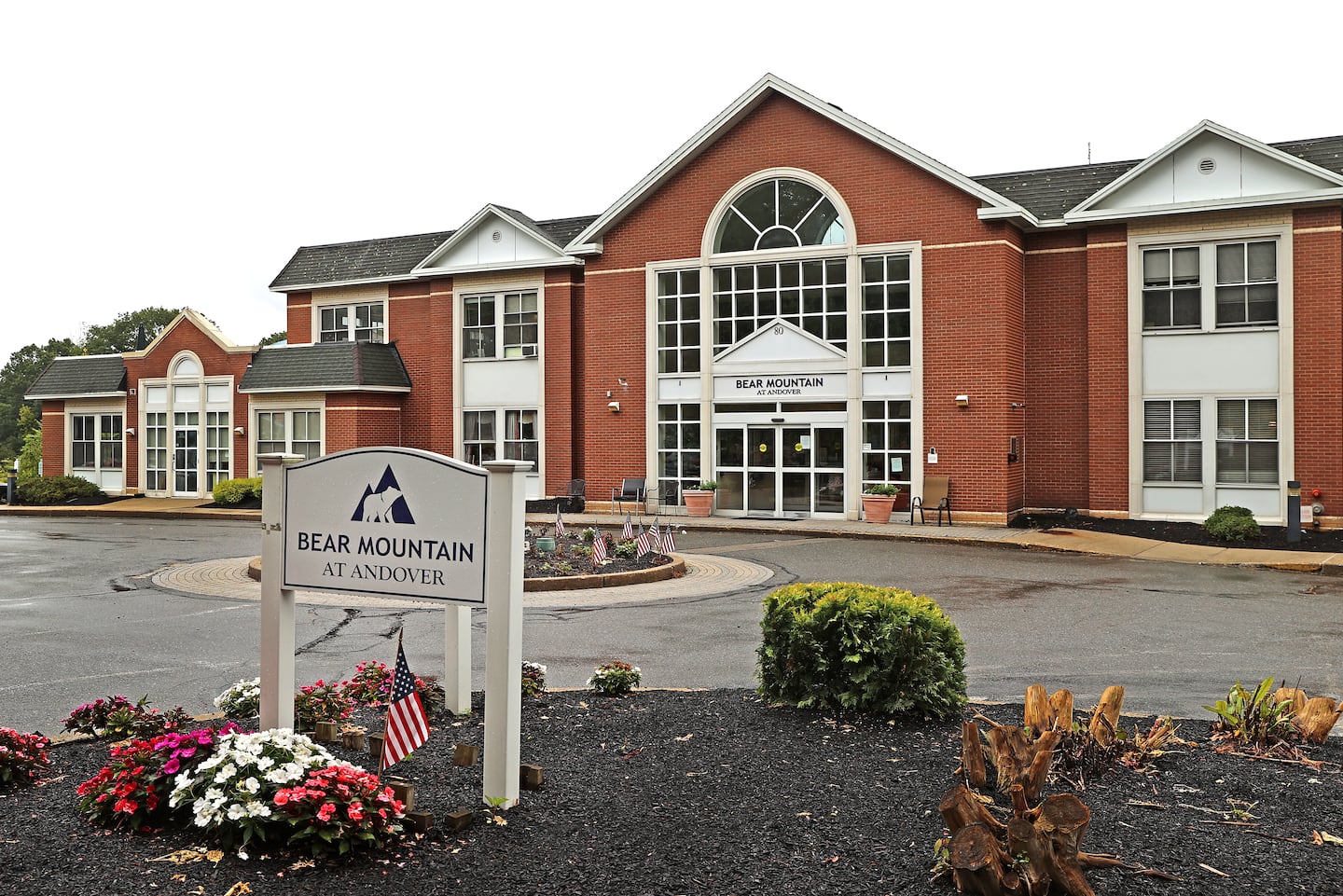
Understaffing directly contributes to resident injuries. In at least two high-profile cases, the Massachusetts Attorney General secured major settlements against nursing home operators. In 2024, the office settled with Next Step Healthcare for $4 million to resolve allegations of systemic understaffing that violated state standards. Earlier this year, the Attorney General announced a $2.75 million settlement with Bear Mountain Healthcare over chronic understaffing between April 2021 and December 2025. The investigation found that residents at Bear Mountain facilities developed pressure ulcers, suffered falls that broke bones, experienced malnutrition and dehydration, developed renal failure from obstructed catheters, and endured medication errors—all linked to inadequate staffing. During that same period, company owners collected annual salaries exceeding $350,000.
The factors driving this crisis are well documented. Nurse aide positions pay a median of $22.44 per hour in Massachusetts, less than landscaping workers earn and comparable to customer service representatives. Registered nurses in the state earn a median of $49.03 per hour, but hospital positions typically pay more than nursing home roles. Consequently, a quarter of registered nurse positions in nursing homes remained vacant in 2024, according to a statewide survey. One nursing home reported that a unit for post-acute patients discharged from hospitals had been closed for nearly two years due to inadequate staffing, primarily certified nursing assistants.
The Massachusetts Senior Care Association reported that one of every five staff positions statewide is vacant, forcing nursing homes to take approximately 3,000 of the state’s 40,000 licensed beds offline. More than half of nursing facilities have had to curtail new admissions because they lack adequate staff. Some facilities are so stretched that more than half their staff work overtime regularly, and reliance on expensive temporary registered nursing staff has surged from 4 percent of all nursing employees in 2019 to 19 percent by 2022, costing facilities nearly $300 million in that year alone.
Reimbursement from MassHealth, the state’s Medicaid program, has not kept pace with staffing needs. The cost of care for residents on Medicare and Medicaid is roughly $20 to $40 more per day than what facilities receive in reimbursement. MassHealth has collected $58 million in penalties from nursing homes for failing to meet staffing minimums over five years, but this amounts to just 0.5 percent of the $2.3 billion in annual Medicaid revenue the facilities received in 2024. In October, MassHealth replaced a flat 2 percent penalty with a sliding scale between 0.5 and 3 percent, creating escalating tiers for lower staffing levels.
Advocates for nursing home residents argue that the penalties are insufficient to deter understaffing, which some facility owners pursue to maximize profits. Some nonprofit nursing homes hire adequate staffing, showing that solutions exist. Yet the industry contends it needs additional state funding to meet staffing requirements, citing the gap between reimbursement rates and actual costs.
The stakes are particularly high given demographic trends. Massachusetts’ population of residents age 60 and older has grown by 13 percent over the past five years, far outpacing the state’s overall 2 percent population growth. At the same time, facilities have lost more than 3,500 beds since 2020 as nursing homes have closed. Immigration enforcement actions in 2025 and 2026 have further strained staffing, as foreign-born workers comprise over 25 percent of nursing home direct care staff nationally. The state could experience a skilled nursing bed shortage by 2029 or 2035, depending on how rapidly additional closures occur.
The legislature enacted an “Act to Improve Quality and Oversight of Long-Term Care” in September 2024, directing the Department of Public Health to strengthen oversight of facilities and strengthen staffing accountability. In January 2026, the Department proposed significant amendments to nursing home regulations to implement these requirements. The proposed revisions include mandatory training requirements for staff and new oversight mechanisms, though advocates argue stronger, more enforceable standards are needed.
With at least 5,000 additional direct care workers needed to address existing and future shortages, the Commonwealth faces pressure to both increase Medicaid reimbursement rates and enforce meaningful consequences for chronic understaffing. Without action, residents will continue to face the consequences of a system unable to meet the basic care requirements they depend upon.