

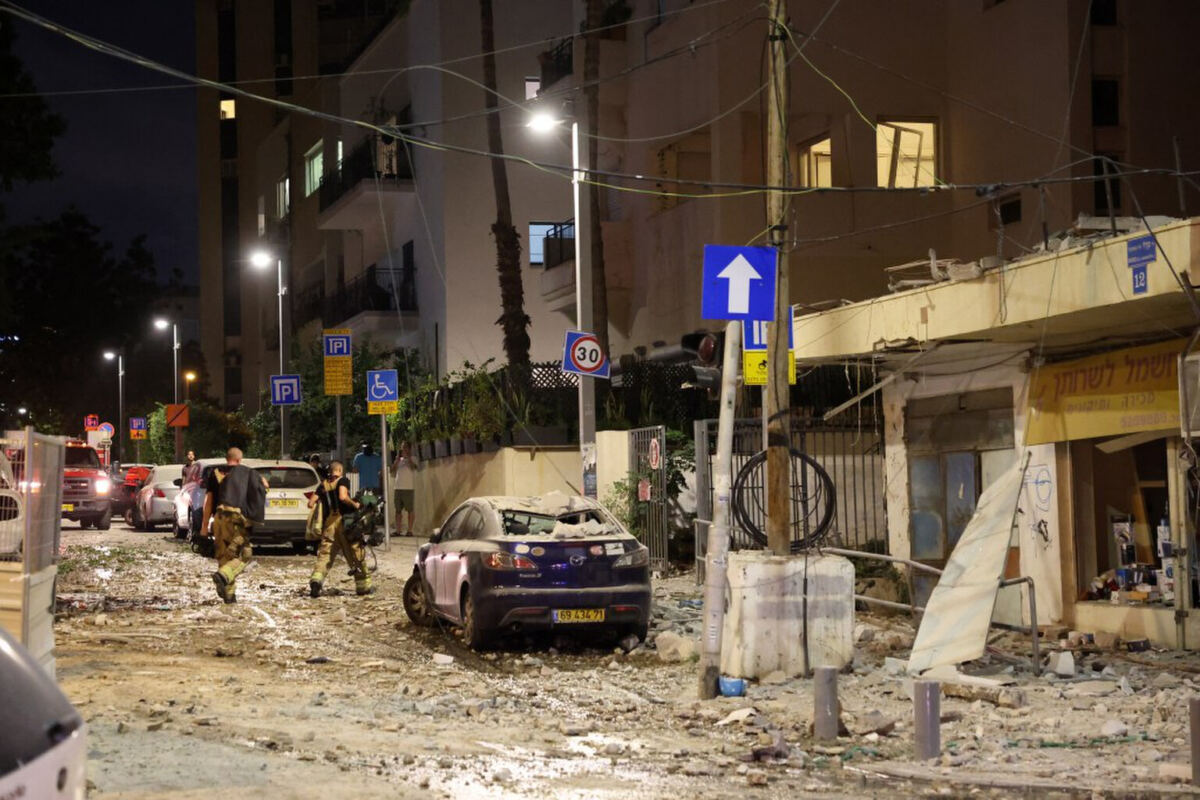
A Yale study has accused the outlet of slanted Gaza war coverage that favored Palestinians over Israel.
Edieal Pinker, a professor at the Yale School of Management, published his findings in the Studies in Conflict & Terrorism journal after reviewing 1,559 Times articles from Oct. 7, 2023, through June 7, 2024. Pinker, who examined the paper’s output across the first eight months of the war, concluded the reporting framed Israel as the “sole aggressor” while casting Palestinians as “passive victims.”
“Drawing on a corpus of 1,559 news articles I document a dominant narrative consistent with a framing that assigns near-exclusive agency and responsibility to Israel while diminishing Hamas’s role in sustaining the conflict,” Pinker wrote in the study.
He found that personal stories of Palestinian suffering appeared two out of every three days, while comparable Israeli accounts were rare. The study also noted that Israeli military deaths, Hamas fighter casualties, and Palestinian violence after Oct. 7 were largely absent from the coverage.
“It describes Hamas’s October 7 attack followed by Israeli military violence and mounting Palestinian casualties, while largely omitting Israeli casualties post-October 7, Hamas fighter casualties, and post-October 7 Palestinian violence,” Pinker added.
Israeli officials have reported that 437 soldiers have died since the Gaza offensive began, with additional police officers and civilians killed or wounded in terror attacks during the same period. The figures underscore what Pinker described as a gap in the Times’ narrative focus.
The Times pushed back against the study’s conclusions when initial findings emerged last year. The outlet maintained that it “has covered this war with more rigor than virtually any other US news organization, reporting on the conflict from all angles.” The paper also stated: “We remain open to good-faith disagreement but will not change our coverage to buttress entrenched perspectives.” The Times did not respond to a request for comment Sunday.
The war began after Hamas militants stormed Israeli communities on Oct. 7, 2023, killing more than 1,200 people and taking 251 hostages. Israel responded with a full-scale military campaign aimed at hostage rescue and Hamas elimination.
The Hamas-run Ministry of Health in Gaza has reported more than 73,000 deaths in the territory, though it does not distinguish between combatants and civilians. United Nations agencies and human-rights groups estimate that at least half of those killed have been women and children, though the overall figure remains unverified due to ongoing fighting. Israeli officials maintain that their military targets only terrorists and issues warnings to civilians before strikes.
The Yale review lands amid broader scrutiny of Western media outlets covering the conflict. The BBC faced separate criticism this year when HonestReporting documented more than 1,500 alleged breaches of editorial guidelines in its Israel-Hamas war coverage. Other outlets have also faced accusations from multiple sides of the polarized conflict.
Pinker argued that the Times’ framing minimized Hamas’ ongoing role in perpetuating violence after the initial attack. His analysis suggests the paper’s narrative structure moved quickly from Oct. 7 to Israeli military action and Palestinian civilian harm, with limited attention to other elements of the war’s toll.
The study’s publication adds to an intensifying debate over whether major American newsrooms have applied consistent standards across different international conflicts, with critics on various sides demanding accountability for perceived blind spots.