

What began as a lighthearted social media trend has spiraled into a serious public safety crisis. “Teen takeovers,” large gatherings of adolescents organized through platforms like TikTok, Instagram and Snapchat, have transformed from harmless flash mobs into events marred by violence, property damage and criminal activity across American cities.
The escalation became tragically apparent over the Fourth of July weekend when a 19-year-old man was killed and six others were injured during a teen takeover in downtown Pensacola, Florida. The incident began with children as young as middle schoolers gathering to celebrate the holiday but escalated into chaos as older teens and young adults filled the streets, with police encountering teens fighting, launching fireworks at other people and carrying handguns. Despite the Pensacola Police Department nearly tripling its staffing in anticipation of crowds, the violence still occurred.
Earlier in June, a similar takeover at Clearwater Beach resulted in a 17-year-old being shot. A 16-year-old was charged in connection with that incident, accused of attempted second-degree murder and unlawful possession of a firearm by a minor. Authorities said the dispute stemmed largely from social media and party-related rivalries.
What distinguishes teen takeovers from ordinary youth gatherings is both their scale and their potential for rapid escalation. Cities around the country—including Orlando, Washington D.C., New York, Chicago, Milwaukee, Tampa, Atlanta and Newport Beach—have been grappling with these events. In late June, over 400 teens were arrested during a takeover on Newport Beach, California, on Independence Day, with at least 44 people injured and businesses looted. In Washington D.C., hundreds of black-clad teens surged through streets in the Navy Yard neighborhood, robbing passersby and fighting. A 15-year-old fired several rounds, and police recovered two other guns.
The mechanics of these gatherings reveal how social media amplifies youth behavior. Organizers use platforms to spread flyers—increasingly AI-generated to appeal to teenagers—specifying locations that may remain secret until the last minute. Anonymous posts summon mass gatherings, and within hours, hundreds of adolescents converge on malls, beaches, parks and city streets. Participants film the events themselves, creating viral videos that serve as advertising for the next takeover. One Baltimore police official noted seeing “very sophisticated, fancy-looking, AI-generated flyers that are clearly engineered to market excitement to the juvenile mind.”
Experts point to several converging factors driving the phenomenon. Social media is the amplifying force, but underlying causes run deeper. Adolescents are neurologically wired to seek peer acceptance, and in large groups—especially those organized online—individual judgment gives way to mob mentality. Researchers note that personal restraint and accountability weaken in emotionally charged group settings, particularly when anonymity increases and responsibility becomes diffused across the crowd.
The COVID-19 pandemic also left its mark. Teenagers who spent their middle school years in lockdown are now seeking real-world connection. Chronic absenteeism rates remain 57 percent higher than pre-pandemic levels, and young people report a lack of designated spaces for socializing. Some teens participating in takeovers say they simply want “a space to meet other people their age and have a good time on the weekends.”
Responses from authorities have intensified. New York City officials sent letters to executives of TikTok, Instagram, Snapchat and YouTube requesting they monitor and remove content promoting takeovers. Florida’s Attorney General announced a statewide crackdown, instructing prosecutors to investigate and prosecute organizers. Washington D.C. Established juvenile curfew zones to deter large gatherings, and other cities have considered similar measures.
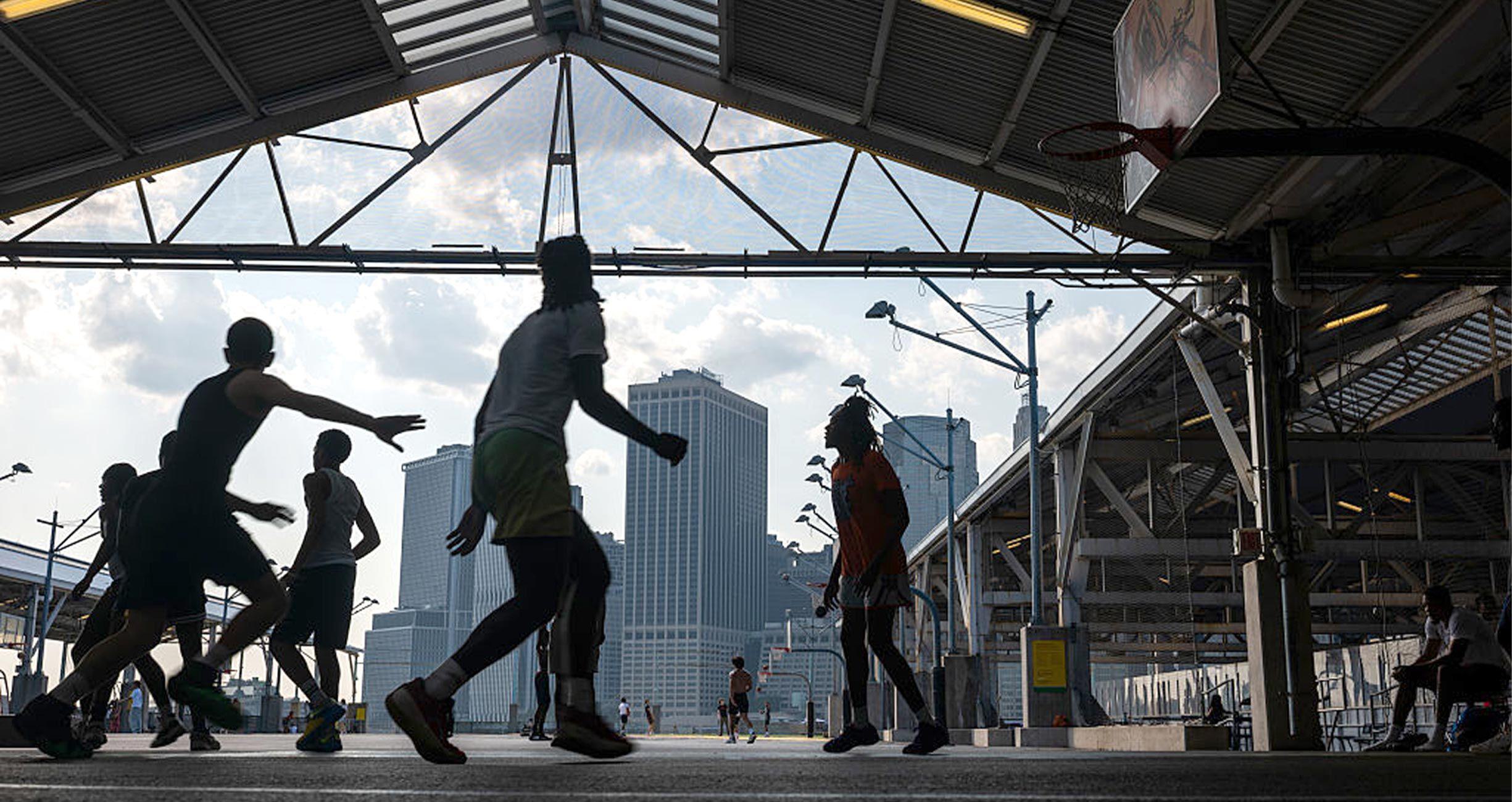
Some municipalities are attempting alternative approaches. In Detroit, Mayor Mary Sheffield invited teen takeover organizers to her office, and together they discussed ideas including late-night basketball at city recreational centers and a new youth advisory board. The teenagers expressed that they wanted “a place to get out, be free, have fun and hang out.”
However, the challenge remains urgent. Police departments nationwide are struggling to prevent these gatherings before they escalate. As summer progresses and more teens have unsupervised time, officials warn that incidents will likely continue unless coordinated action addresses both prevention and the underlying social needs driving participation. The question facing communities is whether enforcement alone—increased police presence, curfews and arrests—can contain a phenomenon rooted in adolescent psychology and the power of social media to organize crowds at unprecedented scale.