


A particular facial characteristic has been associated with a heightened risk of dementia, and it’s quite prevalent.
Recent studies have identified that wrinkles, especially crow’s feet, might serve as early indicators of an individual’s potential for developing dementia in the future.
Researchers located in China discovered that individuals who appeared older than their actual age had a 60 percent increased likelihood of receiving a dementia diagnosis over a span of 12 years, even when considering health and lifestyle factors.
Another study highlighted a significant correlation between crow’s feet, the wrinkles around the eyes, and the disease. Participants with more pronounced eye wrinkles had more than twice the risk of experiencing cognitive impairment compared to those with minimal crow’s feet.
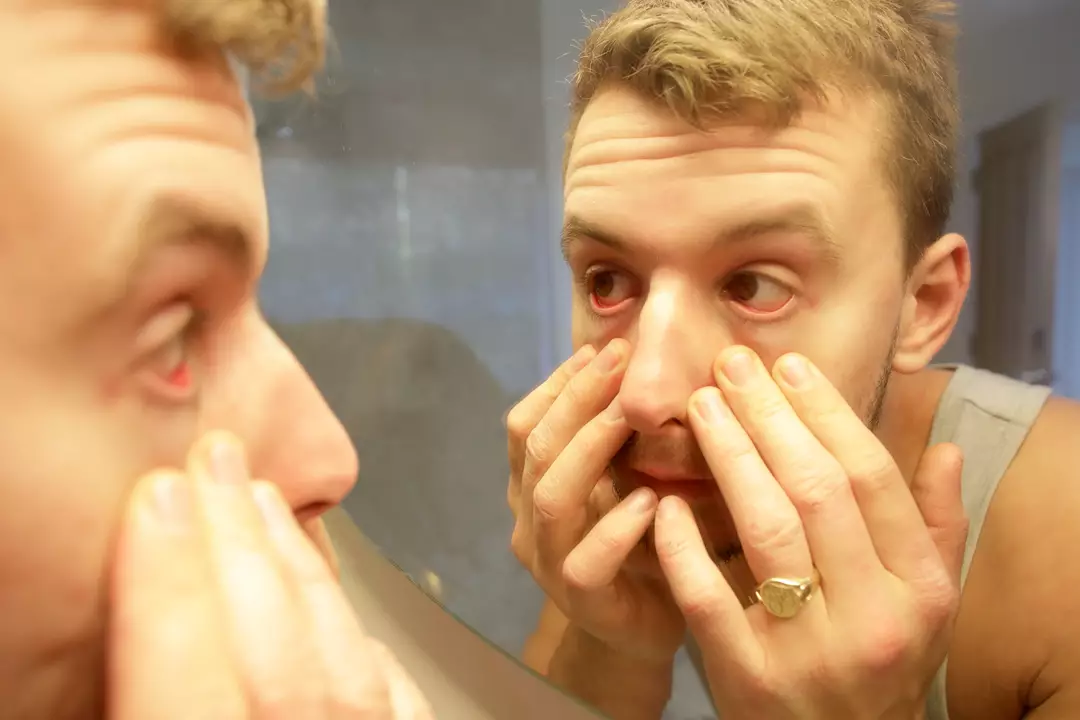
Crow’s feet can indicate environmental damage accruing over time, particularly from sun exposure, which is a source of oxidative stress and inflammation linked to brain aging.
The skin around the eyes is particularly thin and susceptible; hence, prominent aging signs there might suggest compromised body repair mechanisms, which also relate to brain health.
As per the study published in the journal Alzheimer’s Research & Therapy, “Facial age (both subjective/perceived and objective) could serve as an indicator and applied into screening strategies for identifying and treating risk population of cognitive decline or dementia in early intervention for older adults.”
This research utilized health data spanning more than 12 years from the UK Biobank Study, involving over 195,000 UK residents aged 60 and above. Participants responded to the question, ‘Do people say that you look younger than you are, older than you are, or about your age?’ to facilitate the study.
While accounting for variables like age, lifestyle, and health, it was found that individuals who reported others perceived them as older had a 61 percent greater risk of dementia.

Nevertheless, the association between appearing older and dementia varied among specific groups, including those with obesity, those frequently outdoors in summer, and individuals with a higher genetic risk of Alzheimer’s, who faced greater risks.
Researchers refer to this concept as Common Pathogenic Mechanisms, explaining how aging and wrinkles might increase dementia risk. Facial aging offers a visual cue of the body’s biological age and its propensity for age-related or brain-impacting diseases.