

—
A strengthening El Niño has already shattered temperature records for its early stages and is poised to spark increasingly wild weather worldwide, the United Nations and climate scientists warned Friday. The phenomenon is “adding fuel to a planet already on fire,” with current conditions creating what one official described as “uncharted territory” for the global climate system.
A key area of the Pacific Ocean used to measure El Niño strength reached its warmest and most intense level ever recorded this week for the 15th week since the phenomenon formed, scientists at Columbia University reported. The natural warming pattern of Pacific waters will continue intensifying and isn’t expected to peak until late fall or early winter, with forecasters suggesting it could break all-time records for intensity when it reaches its maximum strength.
UN Secretary-General António Guterres delivered an urgent message to the world body about the accelerating climate crisis. “Two months ago, I warned that El Niño was arriving on our doorstep. Now it is inside the house and turning up the heat,” he said. He noted that the world has already endured a summer marked by record-shattering heat domes, apocalyptic wildfires raging across Spain, France and beyond, and thousands of lives lost in scorching conditions. But he cautioned that this is “only a warm-up act” for what is to come.
“We are in uncharted territory,” Guterres said. “The climate crisis is in overdrive.”
El Niño is a natural warming of the Pacific Ocean near the equator that disrupts weather patterns worldwide. Pacific waters driving this El Niño have never been this warm this early, with sea-surface temperatures now averaging three degrees Celsius above normal according to forecasts from the World Meteorological Organization. The WMO expects El Niño to dominate global climate patterns through the August-October season and beyond, increasing the likelihood of above-normal temperatures across much of the world and driving significant shifts in rainfall patterns.
Scientists emphasize that El Niño’s effects will combine with the long-term global warming caused by burning coal, oil and gas, creating a compounding effect. Columbia University climate scientist Jeffrey Shaman noted that in the region typically used as an El Niño indicator, temperatures are at their warmest ever recorded for this time of year. “A year from now, it’s going to be very hot in the Northern Hemisphere,” Shaman said. “And we’re going to possibly have a summer like we’ve never experienced globally.”
The current El Niño is forming over the hottest ocean ever recorded. The ocean has absorbed more than 90 percent of the excess heat from global warming, and El Niño is one of the ways that stored heat returns to the atmosphere. Most computer forecast models indicate this El Niño will likely break the all-time record for intensity when it peaks, though scientists cautioned this outcome is not guaranteed.
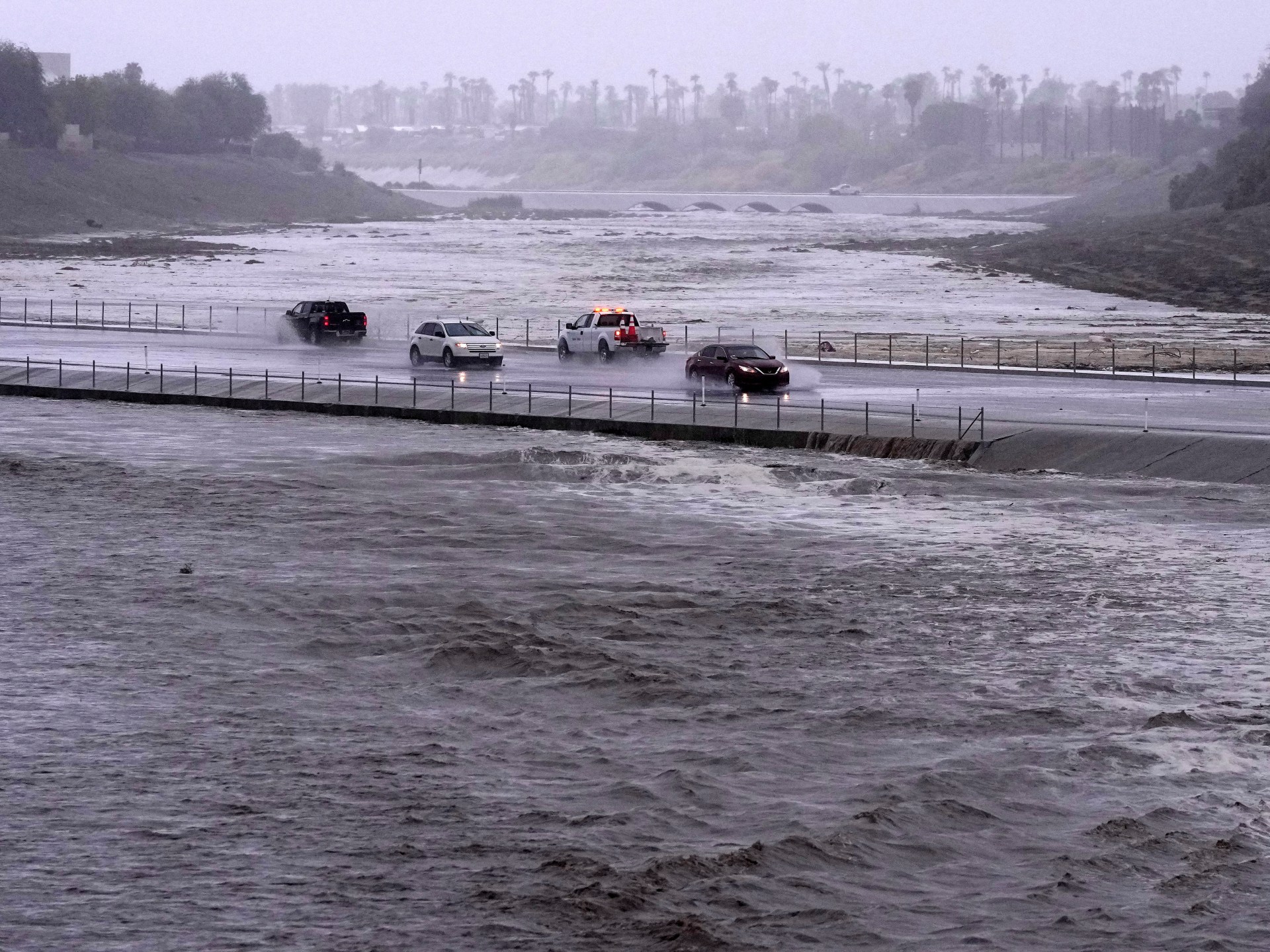
While it is still early in the nearly year-long life of a typical El Niño event, direct impacts are already becoming visible and scientists agree more extreme weather is imminent. The World Meteorological Organization warned of a strong chance of drought and wildfires in Indonesia, India and other parts of Asia, south and east Australia, chunks of South America and southern regions in Africa. Before the peak, the strong El Niño is expected to cause chaotic rainfall extremes in fall and winter, with some regions experiencing heavy rainfall and flooding while others face severe drought conditions.
The previous El Niño that peaked in 2023-2024 was already among the five strongest events on record and contributed significantly to unprecedented global heat that followed. The last El Niño also made 2023 the second-hottest year on record and 2024 the all-time high at approximately 1.55 degrees Celsius above pre-industrial levels.
Forecasters predict an 81 percent chance of a very strong El Niño developing during October through December 2026, with NOAA estimating a 97 percent chance the event will persist into early spring 2027. Research institutions project that 2027 could become the warmest year ever recorded as the combined effects of this El Niño and human-caused climate change take full effect.
Guterres directed a pointed message at fossil fuel expansion, saying fossil fuels are “fanning the flames of this crisis.” He warned that “more coal, oil and gas will lead to a more combustible future” and called on the world to stop fueling the crisis. “Unless we act to protect people and tackle the root cause of the crisis, the dangers will become deadlier still,” he said. “The warm-up act is over. We cannot afford to wait for the main event.”
Human-caused climate change amplifies El Niño’s associated effects because a warmer ocean and atmosphere increase the availability of energy and moisture for extreme weather events such as heat waves and heavy rainfall. The World Meteorological Organization has activated climate information services and early warning systems to help governments and humanitarian agencies prepare support plans for farmers and vulnerable communities facing the intensifying weather patterns ahead.