

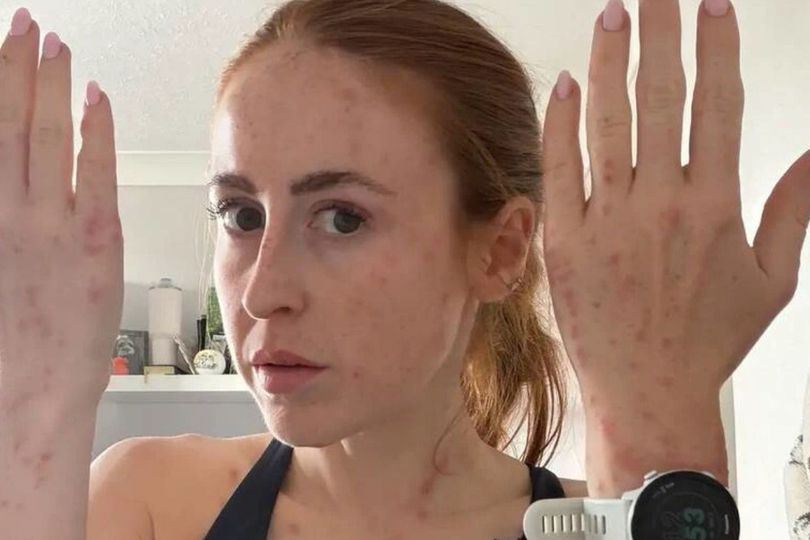
A travel influencer’s nightmare unfurled at a budget hotel in Cambridge, England, when what she thought would be a relaxing overnight stay turned into a weeks-long ordeal covered in bleeding bed bug bites. Hannah Stephenson, a 31-year-old content creator from Bassingbourn, Cambridgeshire, who has traveled extensively across Asia and Africa without incident, woke up on July 27 after sleeping at the Travelodge on Newmarket Road to discover her body transformed into a landscape of itchy, painful welts.
Watch on TikTok
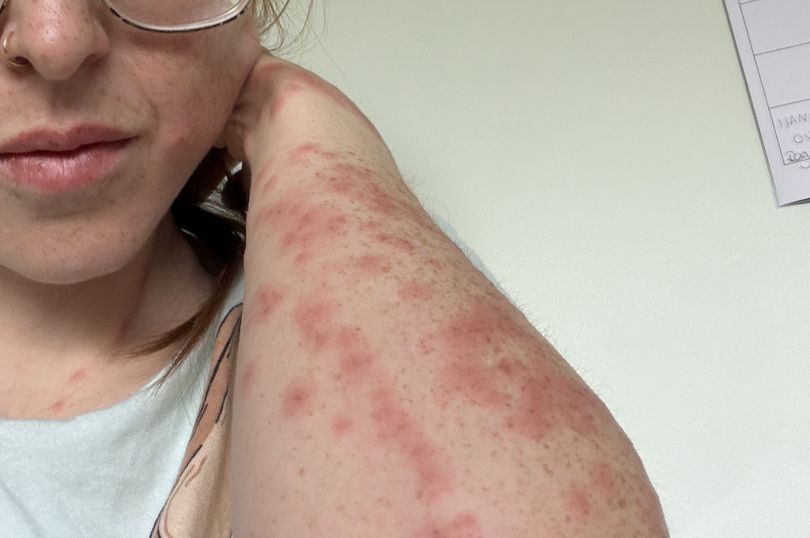
Stephenson described the horrifying moment of discovery in her social media posts. “I woke up feeling itchy and I started to have lumps forming on my arms,” she said. “When I got up, I saw spots of blood on the pillow and black dots. I looked closer and I actually saw a bug on the pillow.” She checked the bedding and found more insects crawling through it. By the end of the day, the bites kept multiplying across her arms, chest, back, face, and legs. She counted 37 bites on her left hand alone but quickly lost track—the total exceeded 100.
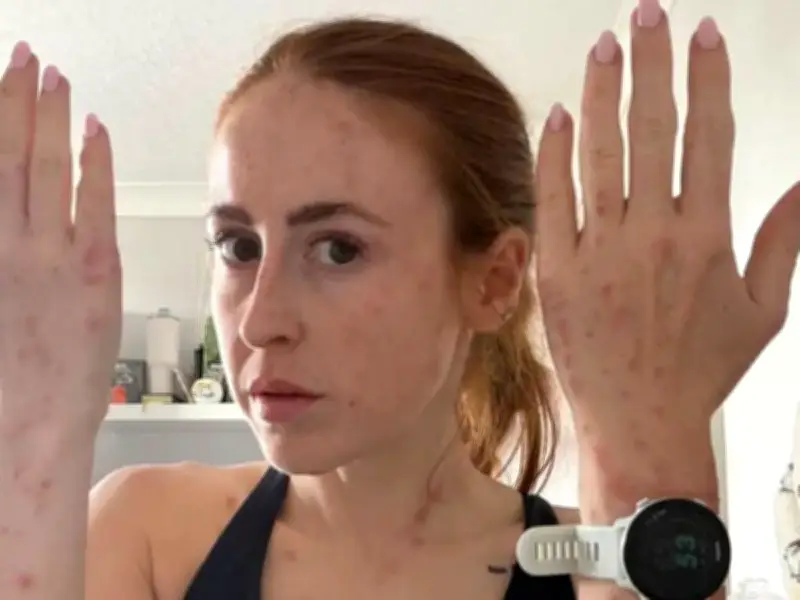
Her initial attempt to get help from hotel staff proved frustrating. When she went to the front desk to report the infestation, she was told the room wouldn’t be rented that night and was instructed to contact customer services by email. The response felt dismissive to someone experiencing what she described as the most distressing situation of her travels. “I’ve had to go to a family wedding like this, had to buy new clothes to cover the awful bites, been unable to sleep properly for weeks due to the constant itching, had a panic attack,” she explained in a post that would eventually garner over 100,000 views.
After three weeks, the bites persisted with visible swelling and a appearance she compared to chickenpox. “People have been horrified, they’ve said I look like I have a disease,” Stephenson said. The psychological toll proved as significant as the physical symptoms. “I felt really embarrassed going to a wedding. They’re on my hands, which are hard to cover up, I feel very self-conscious.”
The severity of her experience reflects a broader reality about bed bug infestations. While often dismissed as a hygiene issue, these blood-feeding insects affect millions globally and thrive in high-traffic locations including hotels, hospitals, and homeless shelters. The physical symptoms alone can be severe. Beyond itching and visible welts, bed bug bites can cause bullous lesions, regional lymphangitis, and secondary skin infections. In rare cases, they trigger severe systemic allergic responses including asthma and anaphylaxis.
The psychological impact, however, often exceeds the physical damage. Research shows that bed bug infestations can trigger nightmares, flashbacks, hypervigilance, insomnia, and anxiety—symptoms suggestive of posttraumatic stress disorder. Studies have found that individuals exposed to bed bugs develop significantly higher levels of anxiety and sleep disturbances compared to those unexposed. Some victims experience depression, social withdrawal, and in extreme cases, suicidal ideation.
Stephenson’s case drew attention only after she shared her story online. The viral posts presumably prompted Travelodge to respond. In a statement, the chain said it was “deeply sorry for Ms Stephenson’s experience and recognise how distressing an incident like this can be.” The company maintained that “The safety of our customers is our priority and we maintain stringent, expert-led measures to prevent and manage pest issues, including training our housekeeping colleagues to be vigilant and to spot early signs wherever possible.”
The hotel also noted that “Bed bug activity affects the wider hospitality sector and is completely unrelated to hygiene or cleanliness standards.” In the rare instance issues are reported, Travelodge said it immediately takes affected and surrounding rooms out of service for inspection and treatment by independent pest control experts. The chain confirmed that bed bugs were present in Stephenson’s room and announced it would retrain housekeeping staff at the location.
After weeks of suffering and social media pressure, Stephenson accepted approximately $2,700 in compensation from Travelodge. But the ordeal left her with lasting frustration. “I would never expect this in Cambridge of all places. I am just hoping these bites will go as soon as possible and I will look normal and get on with my life,” she said. She emphasized she wouldn’t wish the experience on her “worst enemy” and hopes the hotel company significantly boosts its cleaning and fumigation standards.
The incident highlights a troubling trend in the hospitality industry. As international travel rebounds and bed bugs develop resistance to pesticides, infestations have surged globally. In the United States, major cities including Philadelphia, Washington D.C., and the Bay Area have seen dramatic increases in bed bug reports. Las Vegas hotels have faced multiple lawsuits from guests claiming severe reactions and emotional trauma. A Walt Disney World visitor sued for $50,000 after being bitten numerous times during a stay at its All-Star Sports Resort in Florida.
For travelers like Stephenson, who mastered avoiding these pests across developing nations, getting attacked in a major UK hotel chain while near home felt like a cruel irony. Her ordeal demonstrates that bed bugs respect no borders, no price point, and no travel experience level—and that the path to accountability sometimes requires social media visibility rather than responsiveness to initial complaints.