

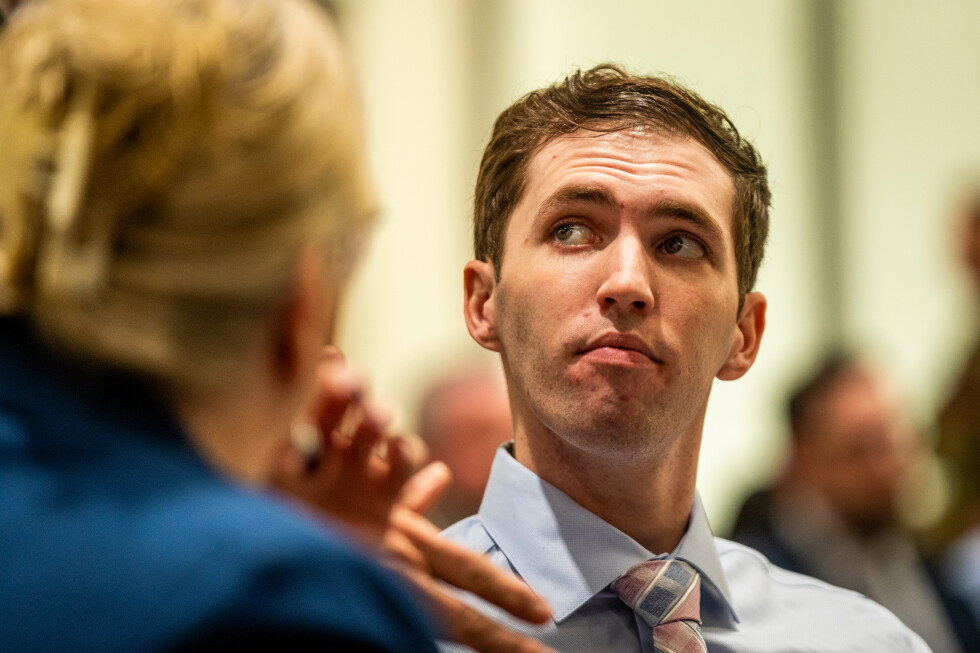
Tyler Robinson’s attorneys filed a motion late Tuesday arguing the death penalty should be removed from his case because his bullet struck only the intended target.
The defense team for Robinson, 23, claimed prosecutors failed to prove the shooting of Charlie Kirk, 31, endangered anyone else at the Utah Valley University event last September.
“The only evidence presented supports that the bullet traveled above, not through, the crowd,” the defense wrote in documents filed with State District Judge Tony Graf.
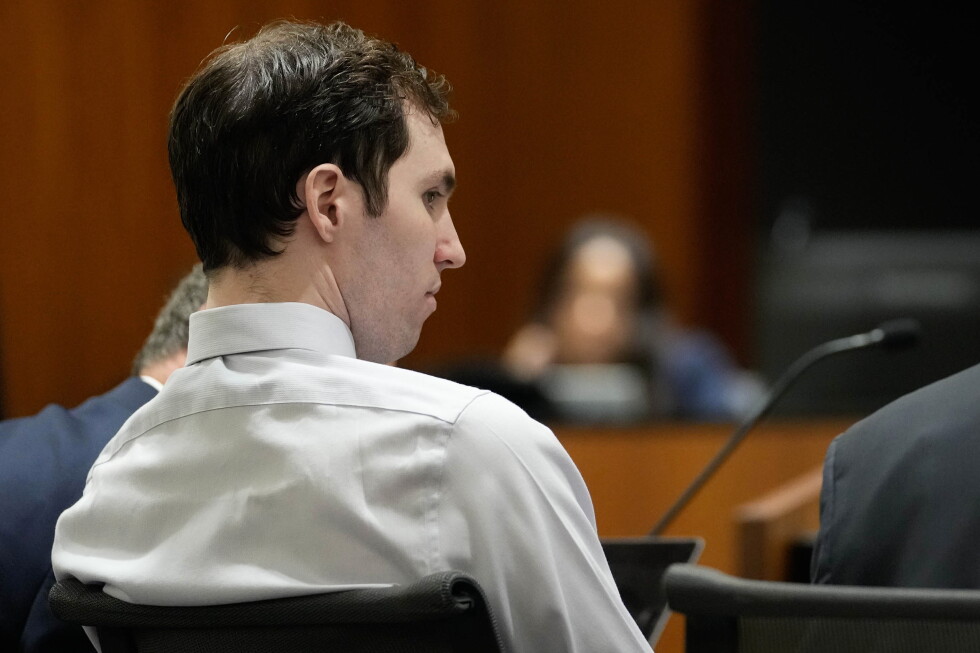
Prosecutors countered in filings last month that Robinson loaded his rifle with four bullets, indicating he knew he could miss Kirk and “thereby putting others in danger.”
The defense fired back that “it is just as likely that the shooter did not believe he would miss.”
Whether Robinson created a great risk of death to anyone beyond Kirk remains the key element for aggravated murder under Utah law.
Robinson’s lawyers claim prosecutors have presented no evidence that Robinson knew his actions would create a “great risk of death” to others.
“The State has overwhelmingly failed to make this showing,” the motion states.
The filing argues Utah law requires proof of a “high probability” another person could have been killed and that Robinson knew of that risk.
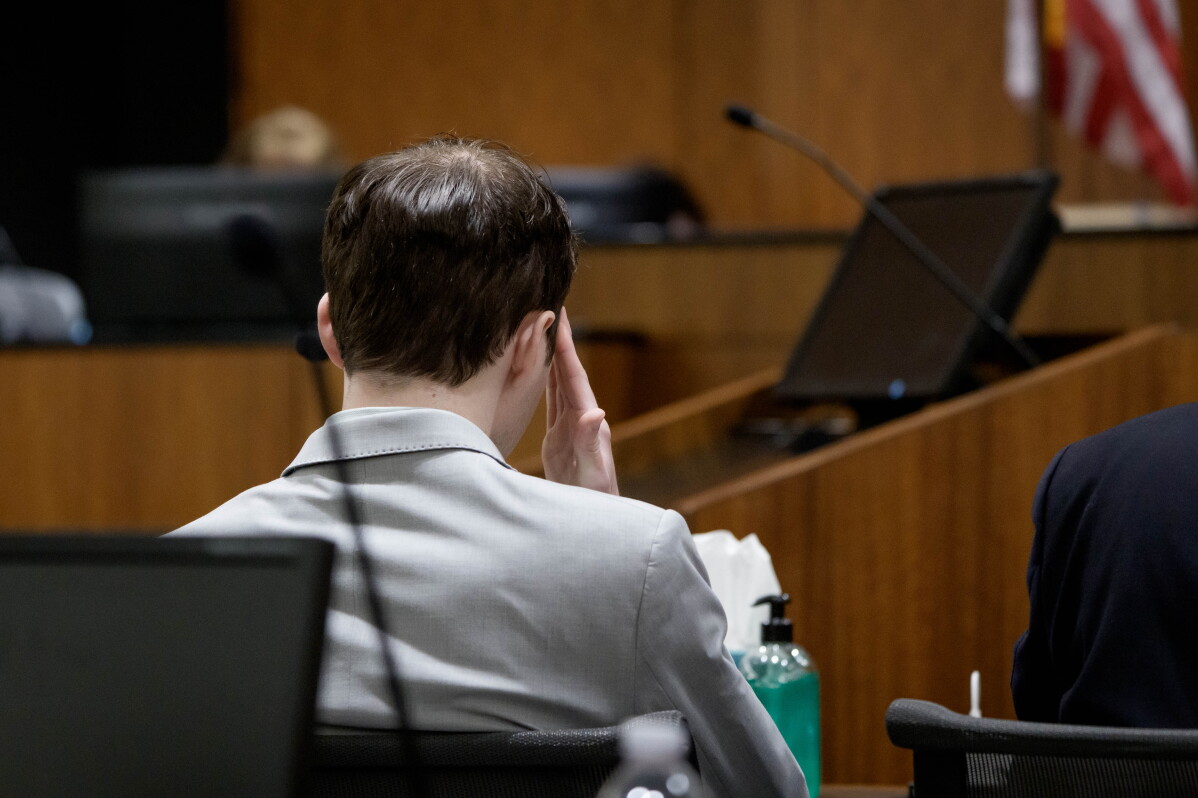
Additionally, the defense accused prosecutors of trying to broaden Utah’s narrow interpretation of the aggravating factor by relying on older cases from other states.
“The State has failed to establish probable cause that the shooter ‘knowingly created a great risk of death to another other than Charlie Kirk’ and himself,” the filing added.
Robinson also faces possible sentence enhancements if prosecutors prove he targeted Kirk over political views.
The prosecution alleges Robinson told his roommate and romantic partner, Lance Twiggs, that he killed Kirk because he “had enough of his hatred.”
Prosecutors contend Kirk’s opposition to same-sex marriage and gender transitioning contrasted with Robinson, who was in a relationship with Twiggs.
Twiggs testified in an April interview that Robinson sometimes discussed politics including Trump but never mentioned Kirk before the shooting.
Meanwhile, prosecutors presented DNA evidence linking Robinson to the suspected murder weapon and bullet cartridges during the weeklong preliminary hearing that concluded last month.
Chief Deputy Utah County Attorney Chad Grunander told the court the evidence was “overwhelming” and “devastating.”
Defense attorney Michael Burt challenged the reliability of DNA and ballistics tests, noting government policies don’t allow analysts to call DNA evidence “infallible.”
“Saying anything but inconclusive was inappropriate,” said Samantha Karner with the Bureau of Alcohol, Tobacco, Firearms and Explosives regarding ballistics analysis.
The defense also renewed objections to prosecutors relying heavily on hearsay during the preliminary hearing.
Kirk was shot in the neck while addressing thousands at a Turning Point USA event on Sept. 10. Robinson allegedly fired from a rooftop overlooking the stage. Former campus police officer Christopher Bagley testified he found an apparent “sniper pad” with markings of “elbows, knees and feet.” Robinson turned himself in the next day. Prosecutors allege he sent a text confession to Twiggs and posted “it was me at UVU yesterday” on Discord about an hour before surrendering.
Erika Kirk, Charlie’s widow, has publicly forgiven Robinson. “I forgive him because it was what Christ did. It is what Charlie would do,” she said at his memorial service.
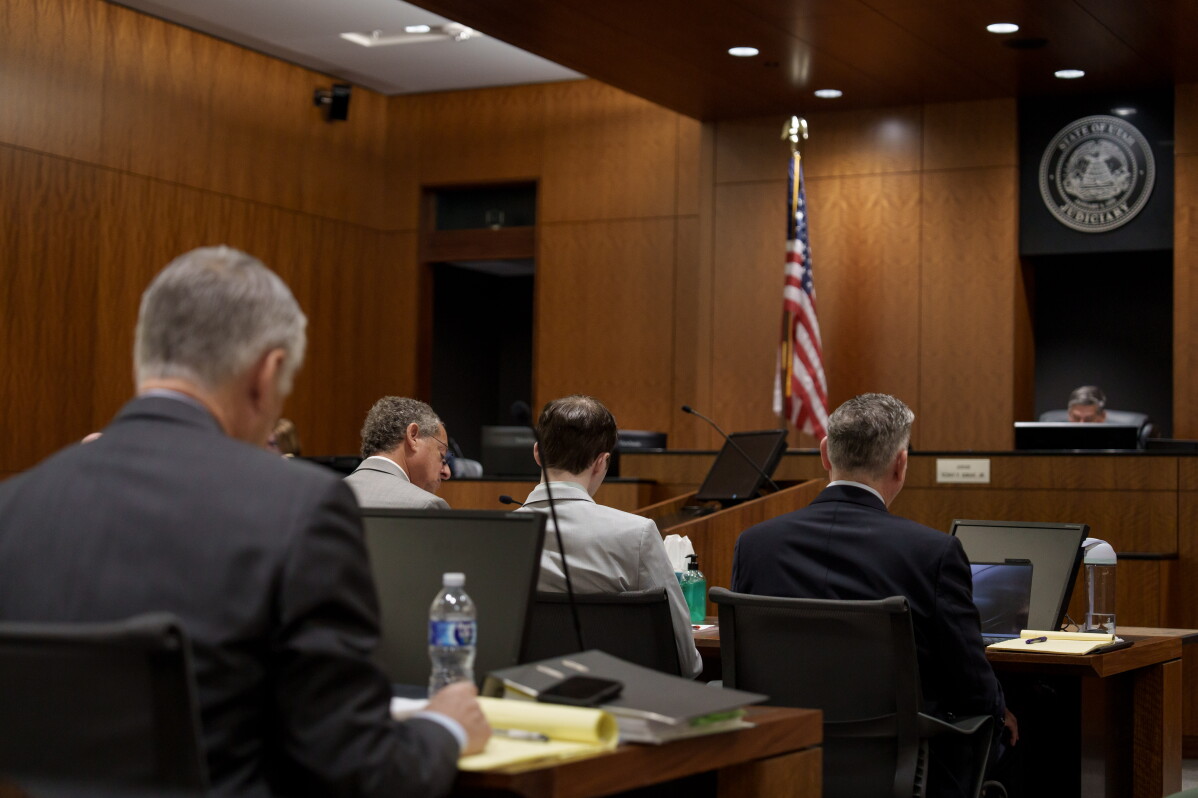
Closing arguments in the preliminary hearing are set for Sept. 1, where Judge Graf will decide if the case proceeds to trial and on what charges.