

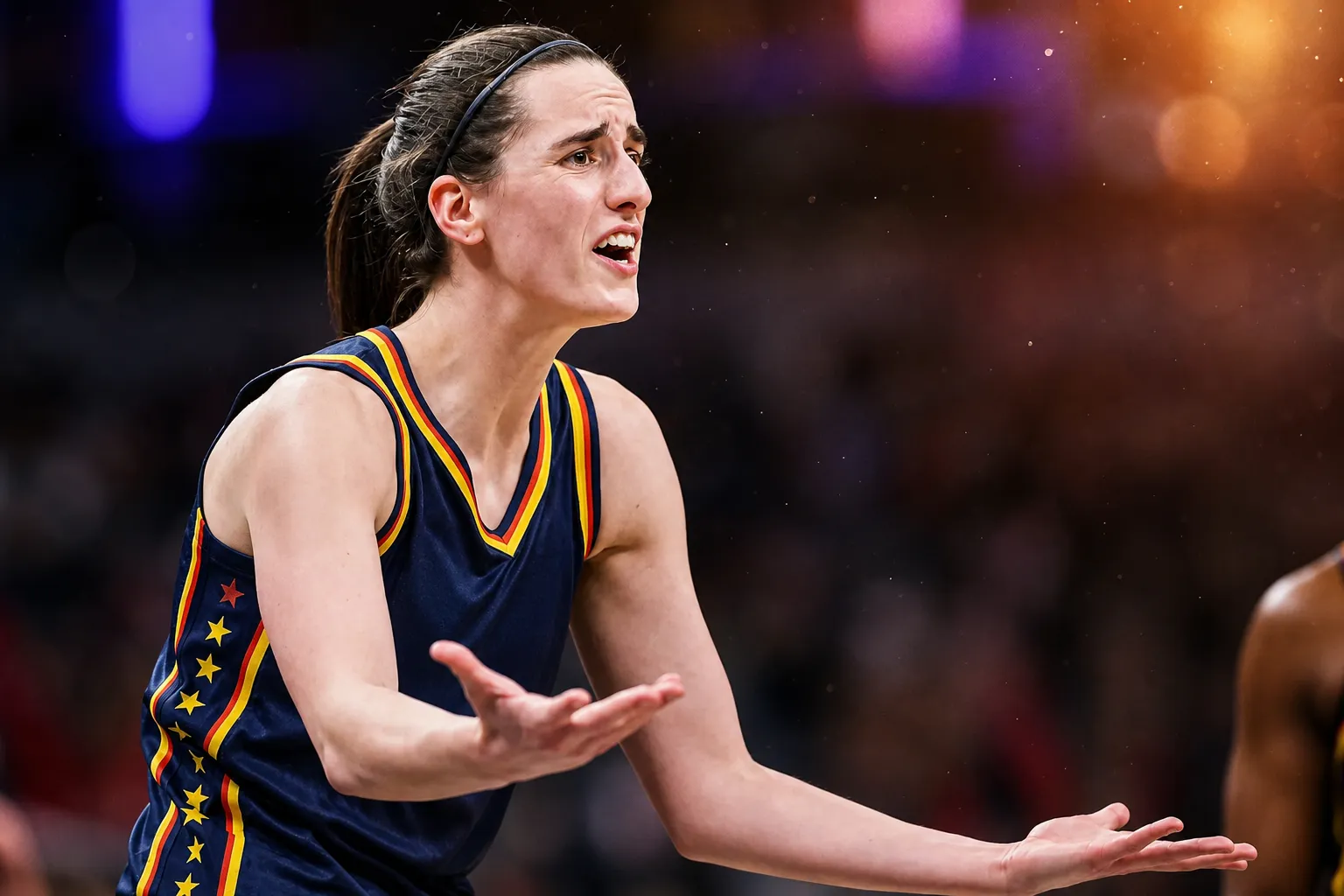
NBA Commissioner Adam Silver stepped into the contentious debate surrounding Caitlin Clark and WNBA officiating on Thursday, saying the Indiana Fever star has become a “political football” in discussions that have increasingly moved beyond the court into broader cultural conversations.
Silver made his remarks during an onstage conversation with Andrew Ross Sorkin at the Game Plan Summit, presented by CNBC and Boardroom in New York. While offering praise for Clark as both a player and person, the NBA commissioner suggested that the underlying issue surrounding the young superstar goes far deeper than officiating concerns.
“I have come to know Caitlin really well,” Silver said. “She’s an incredible player and also an incredible person. And she has become a bit of a political football in this country, and I think it’s incredibly unfair to her.”
The NBA commissioner also said that the debate has become “political ping-pong,” adding that Clark simply wants to focus on improving her game rather than being at the center of a nationwide controversy.
Silver’s comments come weeks after a particularly contentious moment during a June 24 game between the Fever and Phoenix Mercury when Mercury forward Alyssa Thomas made contact with her fist to Clark’s throat during a loose-ball scramble. Officials did not call a foul on the play in real time, but the league subsequently upgraded it to a flagrant foul and suspended Thomas for one game. The incident sparked intense debate about player safety and officiating consistency in the WNBA.
Thomas has said the play was accidental, but she also revealed she received death threats and racial slurs following the incident. She criticized WNBA Commissioner Cathy Engelbert for not doing more to protect league players. Both Clark and Fever coach Stephanie White have condemned the threats directed at Thomas.
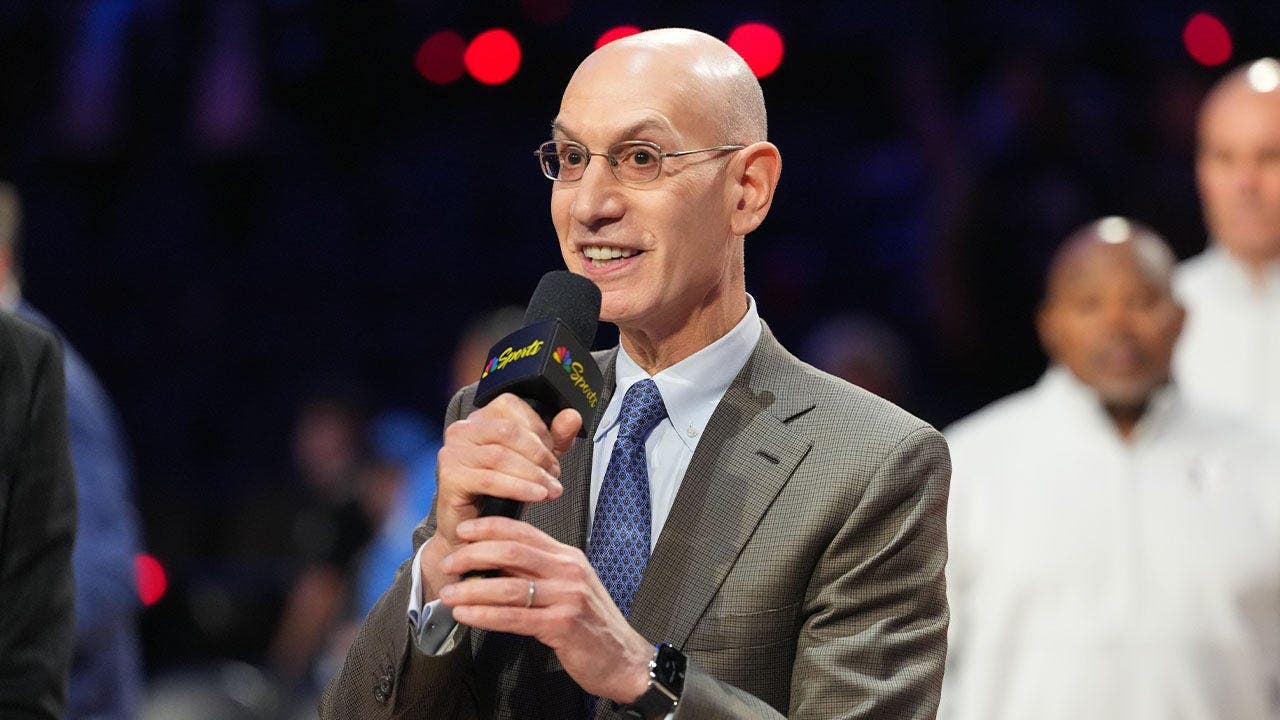
According to a report from Sports Business Journal, Silver played a behind-the-scenes role in the Thomas suspension, with reports suggesting he convinced Engelbert to issue the discipline. When directly asked about those reports, Silver declined to comment, saying it would be unfair to both Clark and Engelbert.
“Ultimately, the issues around Caitlin Clark are not largely about officiating,” Silver said. “And that particular incident is not about whether a foul should have been called at the time in the game or whether that was ultimately a flagrant on review.”
Silver acknowledged that the WNBA does need to improve its officiating, but he emphasized that the broader conversation around Clark extends well beyond the specifics of any single game or call. Many conversations around Clark have centered on polarizing topics including race, officiating, and politics, particularly given that she is a white player in a league built largely on the backs of Black women.
The controversy has escalated beyond the sports world. In July, eleven members of the House Republican Study Committee sent a letter to WNBA Commissioner Engelbert demanding answers about what they characterized as “repeated acts of physical hostility and violence” toward Clark, requesting a response by July 24.
The incidents involving Clark have become part of a larger pattern. Beyond the Thomas incident, Clark has faced multiple hard fouls that went uncalled or were only called as common fouls initially. In 2024, Chicago Sky guard Chennedy Carter delivered a hard shoulder-check to Clark away from the ball, which was initially called a common foul but later upgraded to a flagrant foul. More recently, following a June 24 game, Clark suffered injuries and Fever coach Stephanie White called two plays against her “cheap shots,” saying the situation was “absolutely egregious and utterly disrespectful.”
Since entering the league as the top overall pick in 2024, Clark has helped significantly increase WNBA ticket sales and television ratings. However, that spotlight has also made her a focal point for polarizing national discussions. Some analysts have suggested that Clark’s stardom has contributed to a deeper cultural divide, with her supporters interpreting criticism of her treatment through one lens and opponents viewing her prominence differently.
Clark herself has attempted to downplay the noise surrounding her, though she has been vocal about specific officiating failures. After a recent game in which she suffered a leg contusion from an uncalled knee strike, she told reporters that “the ref can’t miss that” and called the overall situation “ridiculous.” She has also called for greater investment in WNBA officiating, including paying referees as full-time employees rather than part-time staff.
Coaches and general managers from eight different teams have acknowledged that the quality of WNBA officiating remains subpar despite an offseason task force that was assembled to address concerns over excessive physicality and consistency in calling games.
The debate shows no signs of cooling. Silver’s characterization of the situation as “political ping-pong” reflects the reality that the conversation about Clark’s treatment has become increasingly detached from the specifics of basketball and has instead become wrapped up in broader cultural and political conversations that extend well beyond the WNBA.