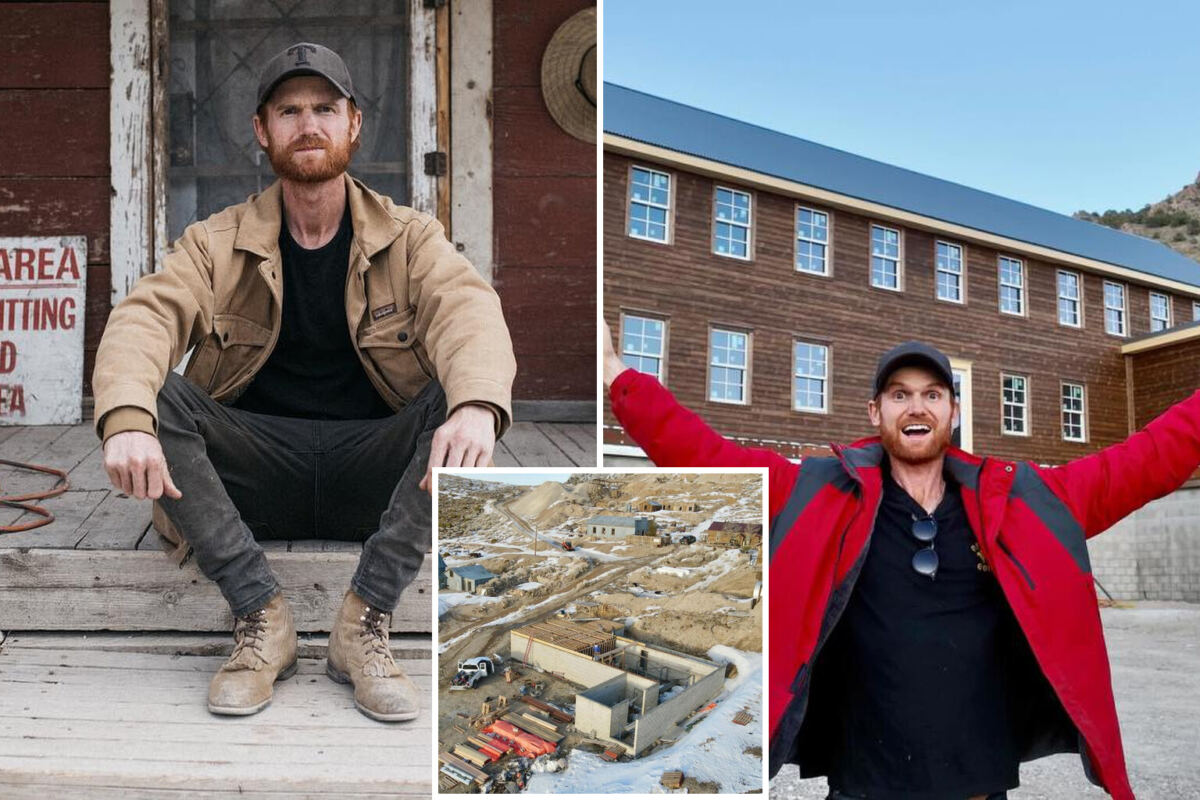
Brent Underwood has opened up about the solitude and staggering workload of rebuilding a 19th-century California ghost town he bought with his life savings.
Underwood, who purchased the abandoned silver-mining settlement of Cerro Gordo near Lone Pine, California, for $1.4 million in 2018, said that living miles from the nearest neighbor suits his temperament. “I’ve always been a bit of an introvert, so the solitude doesn’t bother me much,” he said. “I don’t have neighbors for dozens of miles in any direction, which means any way that I look there is an adventure to be had. I love that. There’s something very beautiful about living so far away from [other people]. There isn’t the ambient noise that you have in cities but don’t really realize until you’ve left.”
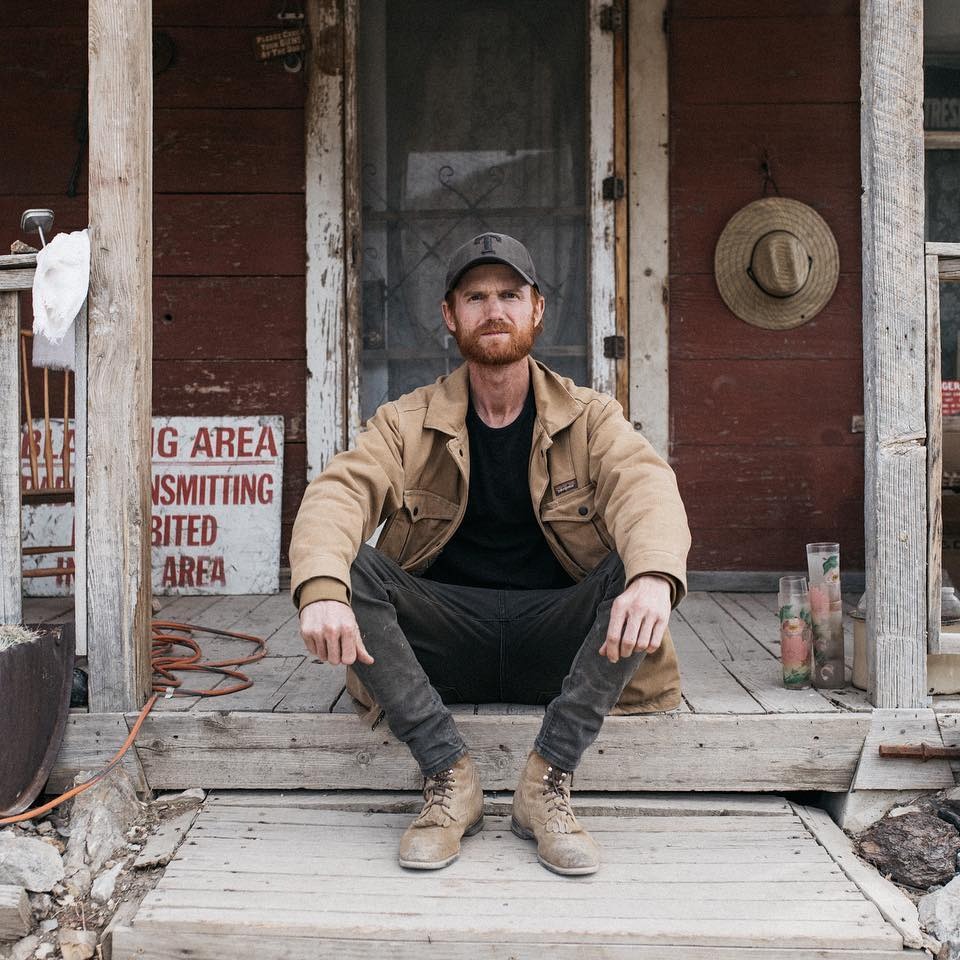
The Texas native, who financed the purchase with his savings plus a high-interest loan, said the night sky alone justifies the isolation. “The stars here are as bright as stars can be, because there is no light pollution to interfere. I feel much more in touch with nature and my thoughts since being here,” he said. “I never run out of things to do and even after six years, feel like I’m just scratching the surface.”
Underwood’s path to Cerro Gordo began with a midnight text from a friend. “I was sent the listing for Cerro Gordo from my friend. He sent it in a text in the middle of the night, mostly as a joke,” Underwood explained to The Post. “[He sent] the listing with a [text that said], ‘Haha, this might be your next thing.’ I woke up in the morning, researched everything I could about the town, and booked a flight out to see it.”
That impulsive flight led to one of the more unusual real estate transactions in recent California history. In the 1880s, Cerro Gordo boasted a few thousand residents and more than a hundred buildings, but fires and weather-related hazards claimed most of them over the decades. “When I first bought the town there was about 20 buildings left, all in different states of repair,” Underwood said. Five cabins dating to the 1800s have since been destroyed by strong winds.
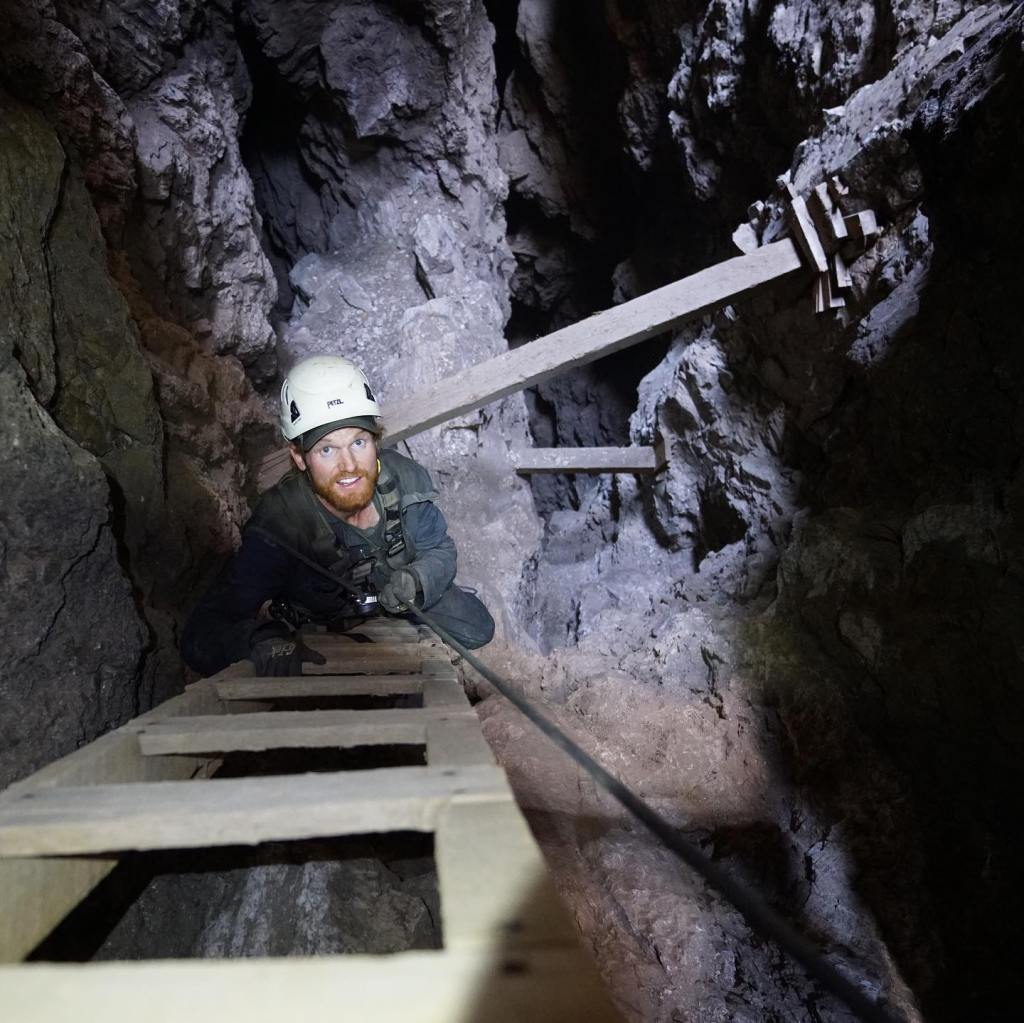
What remains includes a general store converted into a museum, an old brothel, a church, a movie theater, a bunkhouse, and the hoist house containing the main Union Mine — a mineshaft plunging 900 feet straight down. Underwood told The Post that his childhood spent watching Gunsmoke with his grandfather seeded his fascination with the project. “I’ve always had a love of history and hospitality,” he said. “There’s a romanticism to the West that’s pulled millions of people out here, and it had a hold on me early.”
The romance has come with punishing practical lessons. An electrical fire burned down a hotel that was nearly fully remodeled, forcing him to start over completely. “I feel that since moving up here I’ve had to learn dozens of new skills out of necessity,” he said. “[Mostly, I’ve learned to] plan better. If you forget a part, the closest real hardware store is two hours away, you can’t just run down the road to get something. So you have to plan a lot better up here.”
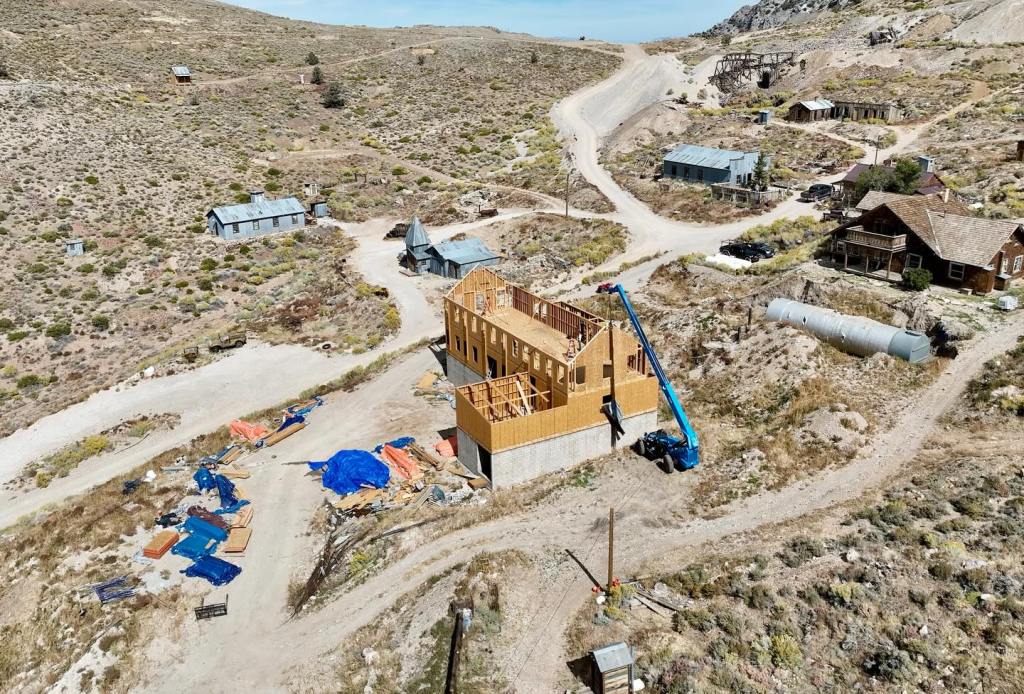
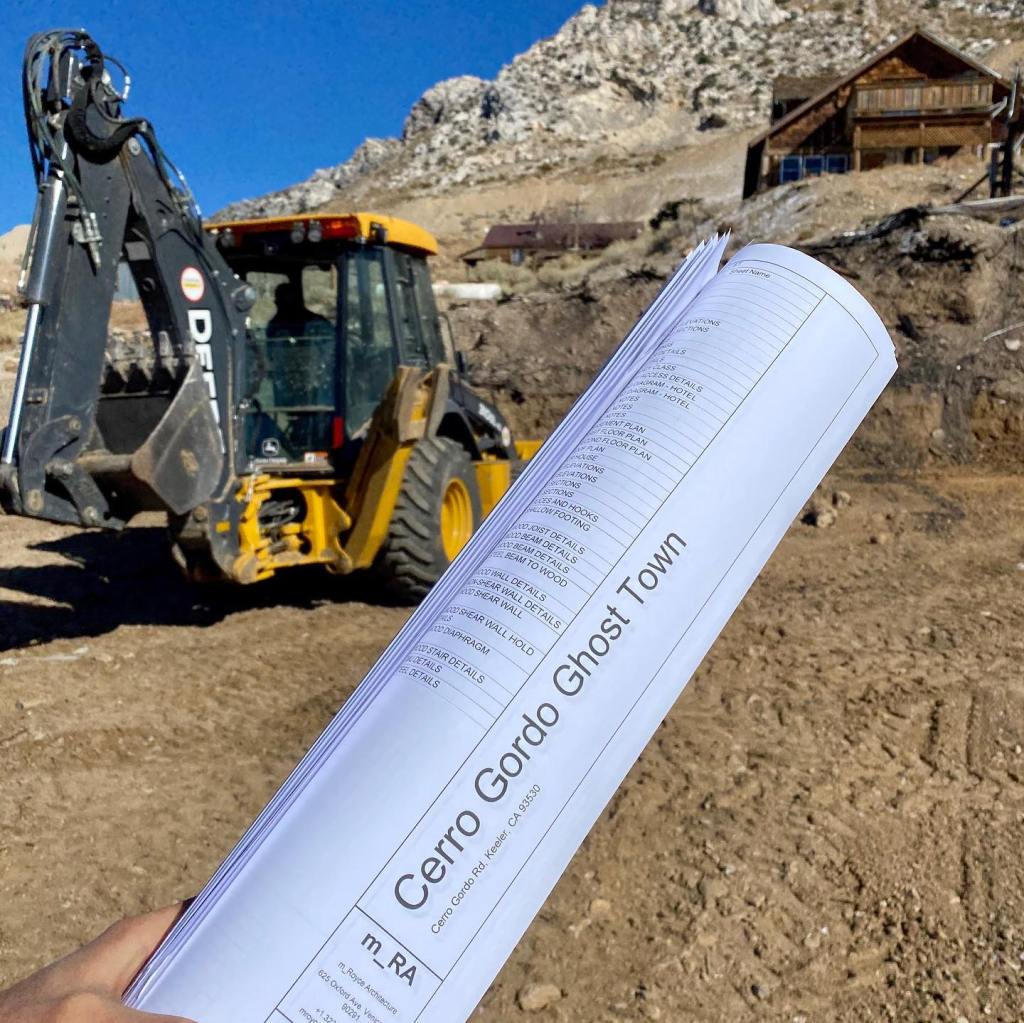
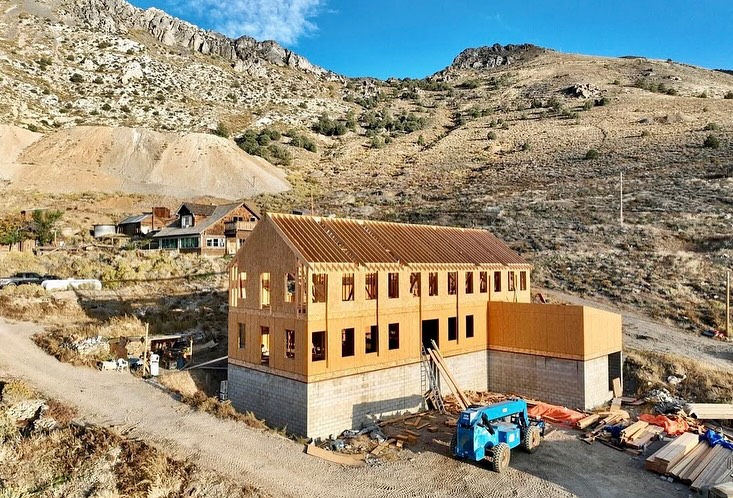
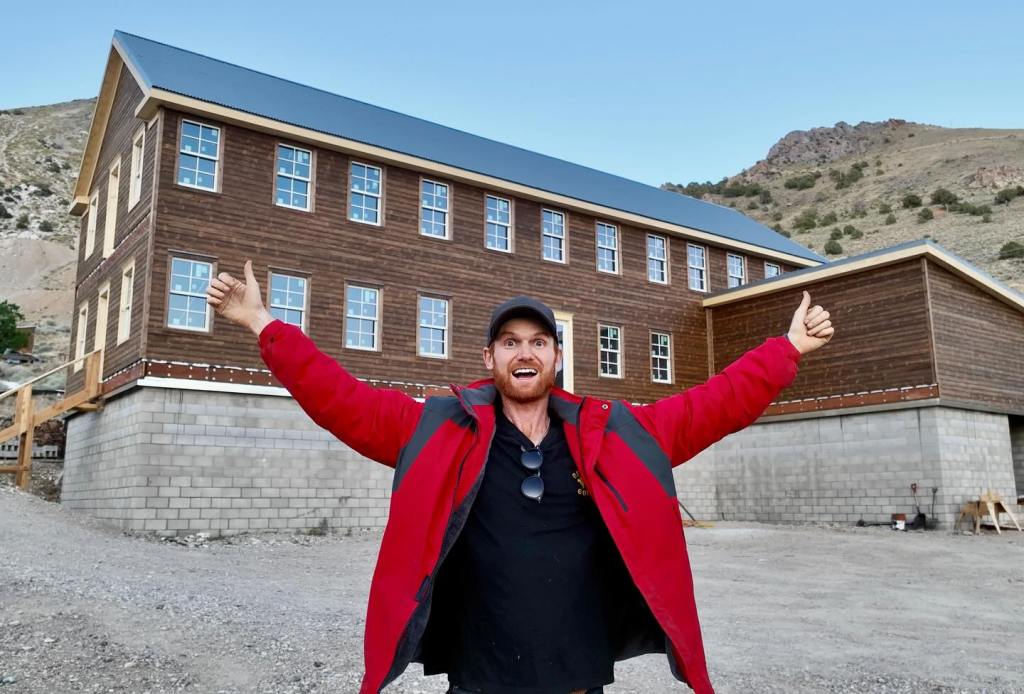
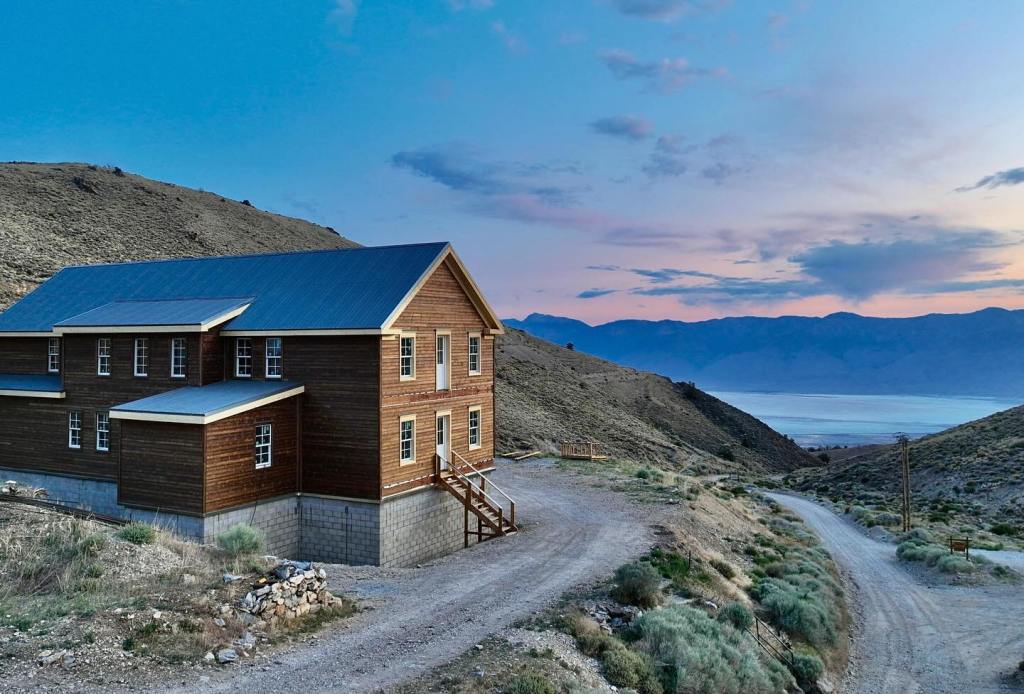
Underwood admitted he had no real grasp of what reviving the town would demand when he signed the papers. His current vision centers on preservation paired with hospitality: a hotel, eight rentable cabins, a restaurant, and a bar. “The plan has always been to preserve the history here and introduce some accommodation so people can stay overnight,” he explained. “I want people to be able to experience the [nature] here. It’s stunningly beautiful.”
For now, day visitors can explore the town free of charge on self-guided tours from 9 a.m. To 5 p.m. Daily. Weekend guided tours of the main mine building run $20. Underwood documents his ongoing restoration on his YouTube channel, Ghost Town Living, where subscribers watch him navigate the slow, solitary work of bringing a frozen slice of the 1800s back to life.
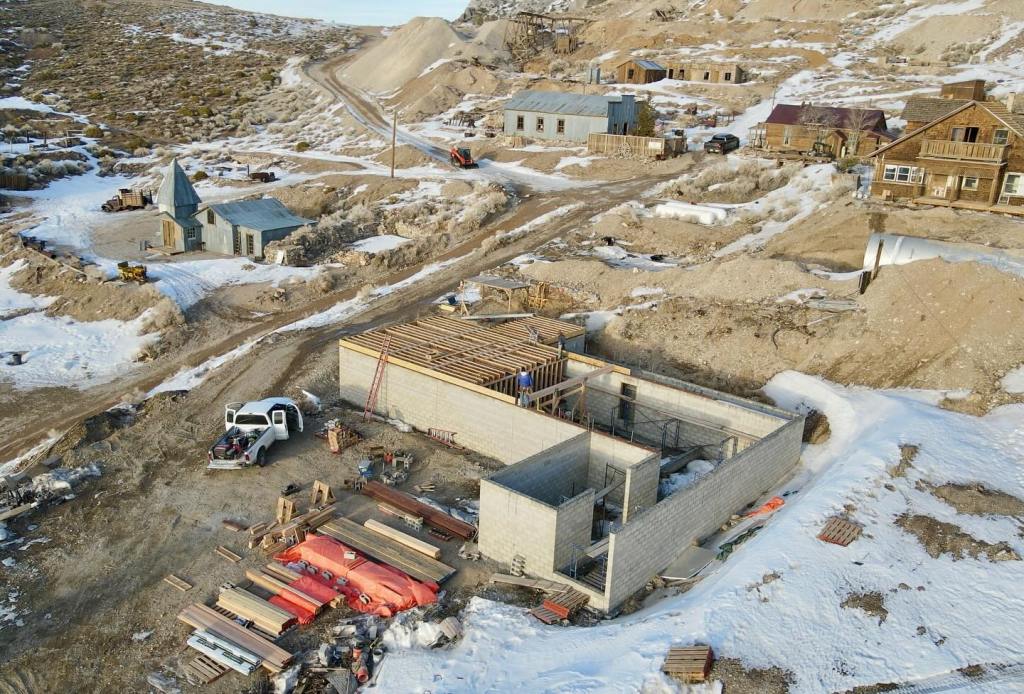
He expects the hotel to be completed next year.