

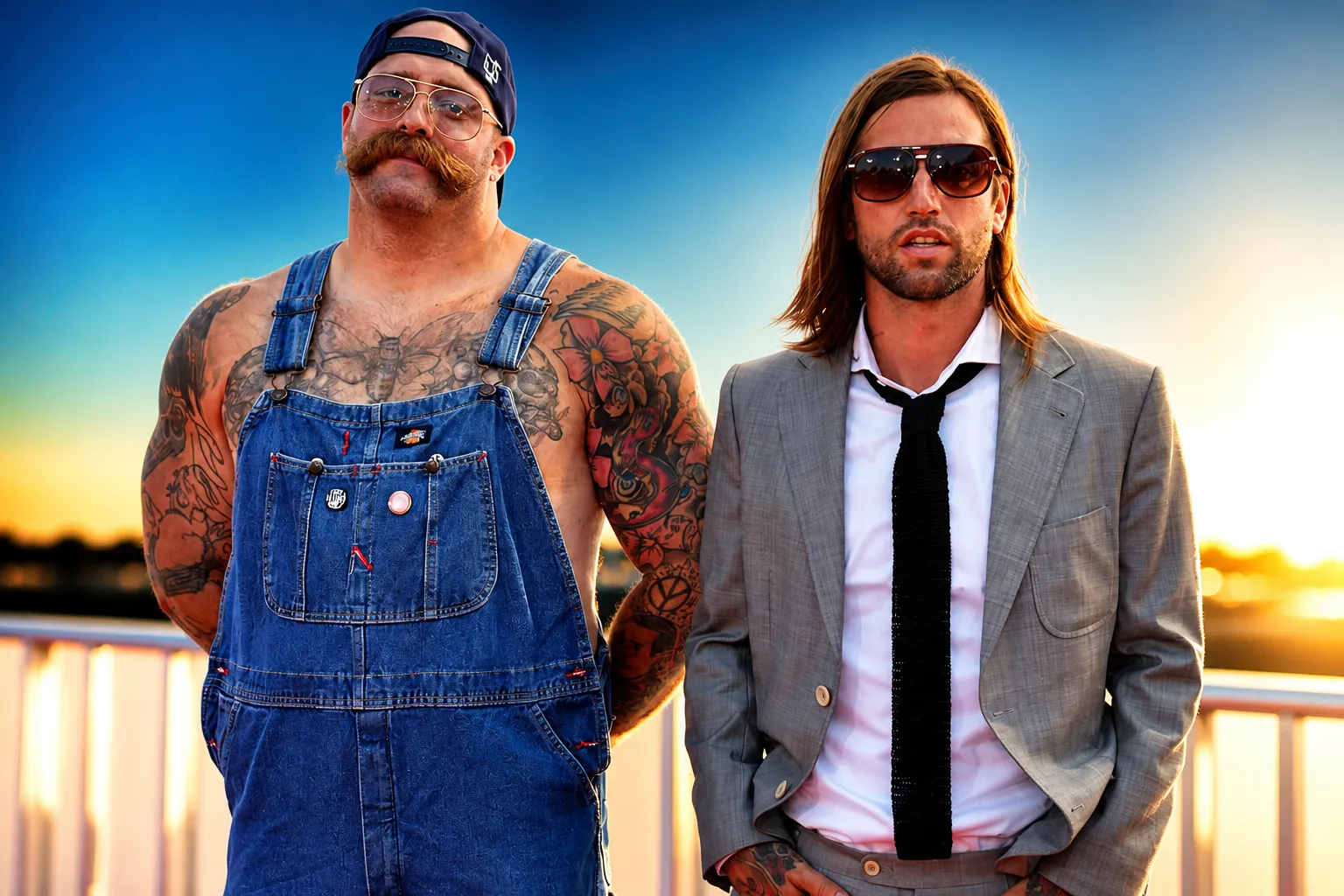
Andy “The Butcher” Williams, the professional wrestler and former Every Time I Die guitarist, has died at 48, authorities confirmed.
The Allegheny County Medical Examiner’s Office verified the death of Williams, who had built a dual career spanning heavy music and professional wrestling. The outlet has reached out to that same office for additional comment.
Williams had recently been hospitalized after collapsing during a wrestling show in Pennsylvania. The incident occurred at a GCW event in Pittsburgh, where he was performing as “The Butcher” alongside his tag-team partner, The Blade. Emergency personnel administered CPR at ringside before transporting him to a medical facility.
The collapse drew immediate scrutiny to the emergency response protocols at independent wrestling events. Promotion officials later released a statement addressing the incident, though details of that statement were not immediately available in early reports.
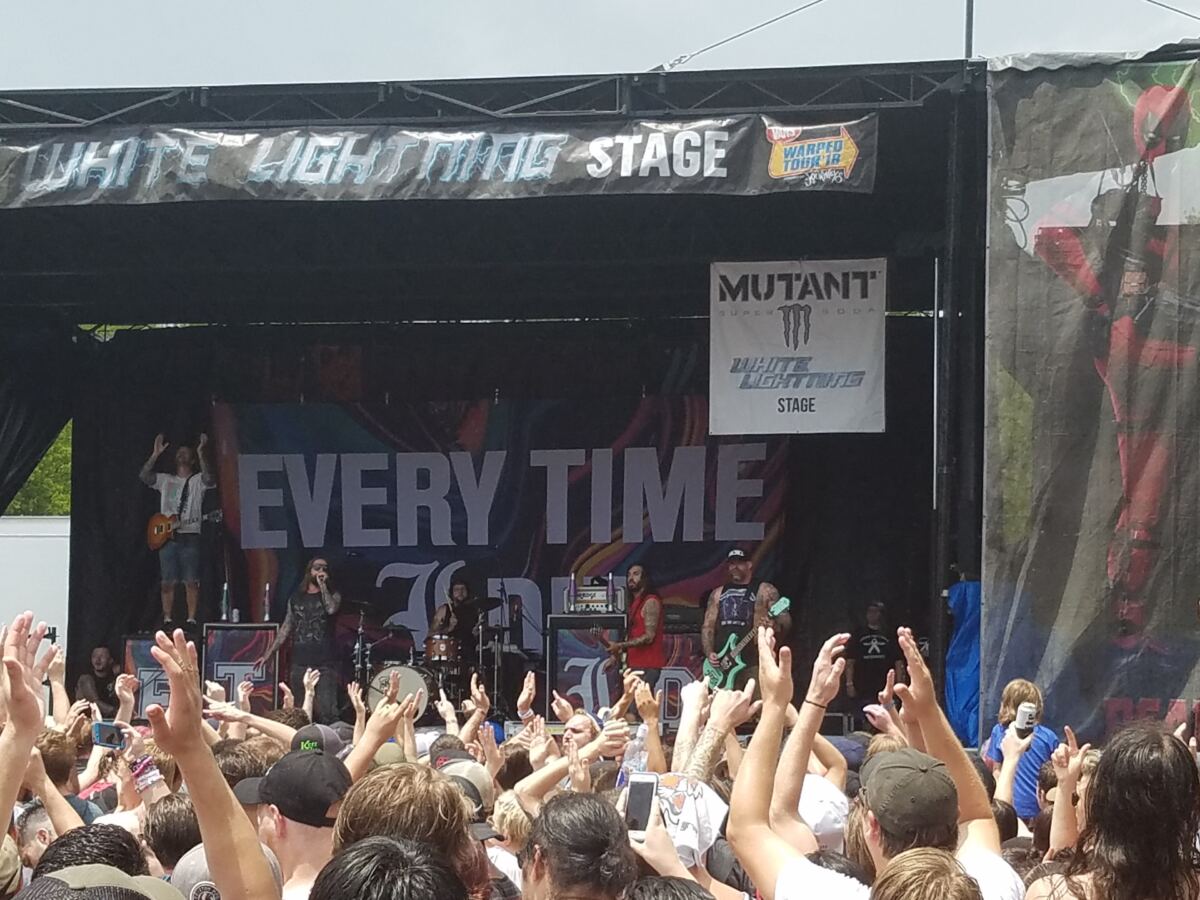
Before entering the wrestling world, Williams had established himself as a founding guitarist for Every Time I Die, the Buffalo-based metalcore band known for their chaotic live shows and Southern rock-infused sound. He performed with the group from its formation in 1998 until their acrimonious split in 2022, which followed internal tensions and the departure of frontman Keith Buckley.
The musician’s transition to professional wrestling began in earnest after the band’s dissolution. He trained extensively and developed the “Butcher” persona, a brawling heavy who quickly found footing in AEW and on the independent circuit. His physical style and legitimate athletic background made him a natural fit for the ring.
News of his hospitalization had circulated widely among wrestling and music communities, with fans and peers expressing concern across social platforms. The circumstances of his initial collapse remained under examination by medical authorities.
Williams’ death marks a sudden end to a career defined by reinvention. From upstate New York basement shows to televised wrestling broadcasts, he had maintained a presence in aggressive performance cultures for more than two decades. His work with Every Time I Die produced multiple albums that influenced a generation of metalcore acts, while his wrestling tenure included matches on AEW programming and prominent independent dates.
The musician’s final public appearances came in the weeks preceding his collapse, split between wrestling commitments and what appeared to be routine professional activity. No prior health issues had been publicly disclosed.
Tributes from both industries were expected to accumulate as news of his death spread. The overlap between Williams’ fanbases—hardcore music listeners and wrestling enthusiasts—created a broad community of mourners already processing the initial hospitalization reports.
Every Time I Die’s dissolution had itself generated substantial discourse, with Buckley and other members airing conflicting accounts of the band’s final months. Williams had largely avoided public commentary on the split, focusing instead on his emerging wrestling career.
His AEW tenure included regular tag-team competition and occasional singles appearances, with the “Butcher and Blade” act positioned as a mid-card threat. The partnership’s gimmick leaned into hard-hitting, old-school brawling—a style that matched Williams’ physical capabilities and musical background.
The circumstances connecting his in-ring collapse to his subsequent death remained under official investigation. Medical examiner determinations typically require extended analysis, particularly in cases involving recent physical trauma or underlying conditions not previously diagnosed.
Williams is survived by family members who had not issued public statements as initial reports circulated. Memorial arrangements were pending.
AEW’s next scheduled programming continues Wednesday in Pittsburgh.