

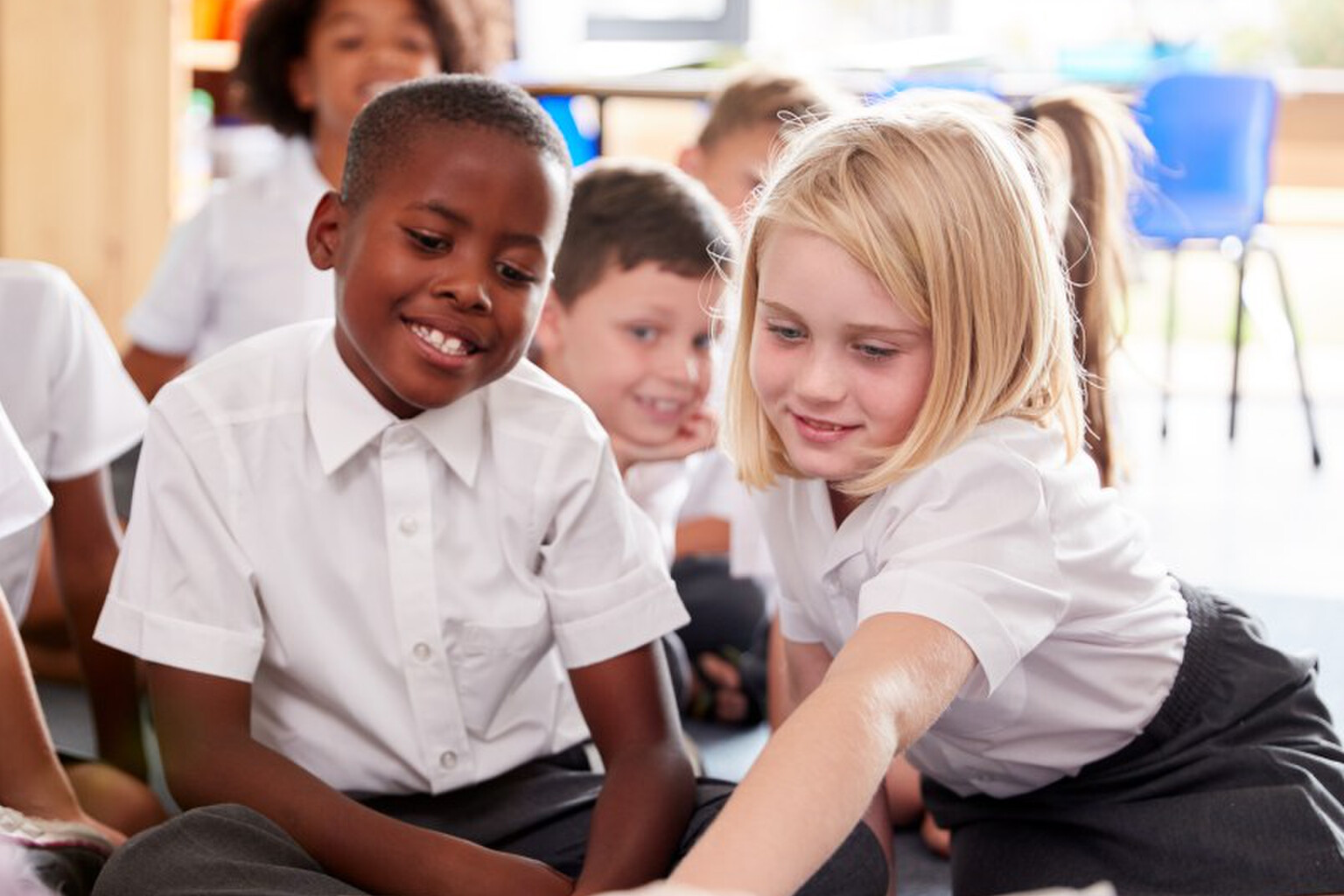
A fresh analysis of private-school enrollment has put new numbers behind a long-running debate about how wealthy black families navigate education for their children.
The data, drawn from a February survey of 23,000 families nationwide, shows that nearly 30 percent of high-income black parents opt for private institutions — a rate that surpasses white, Asian, and most other demographic groups, according to education advocacy nonprofit 50CAN. High-income white families clocked in at 23 percent, while Asian families registered 20 percent, the organization’s founder Marc Porter Magee shared on X Sunday.
Only wealthy Hispanic parents matched or exceeded the rate among affluent black families, though the exact comparative figure was not specified in the release. The survey covered broad territory, asking parents about everything from meeting participation to how children of teachers performed relative to peers.
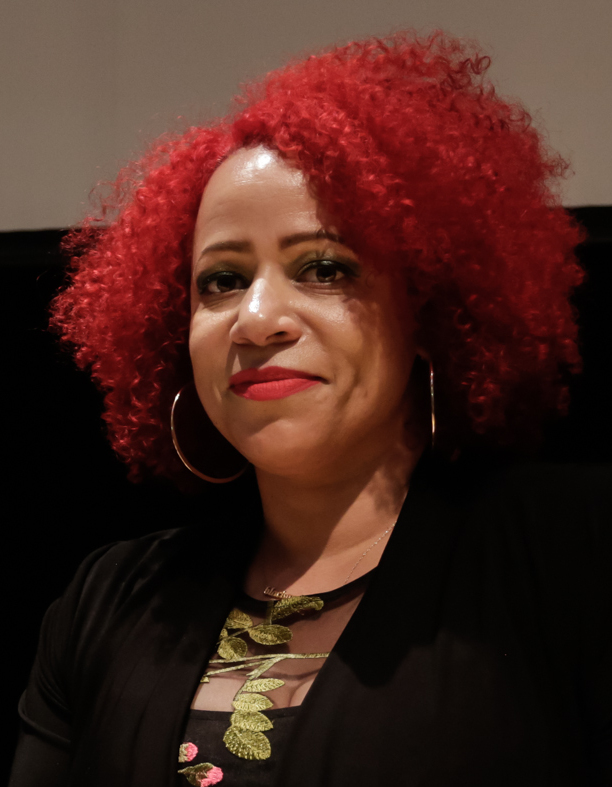
The timing of Magee’s data drop was no accident. It landed squarely as the outlet Magazine writer Nikole Hannah-Jones was facing intense backlash over a personal essay about her own schooling choices for her daughter — choices that, by her own account, left the girl academically behind and emotionally furious.

Hannah-Jones, 48, who won a Pulitzer Prize for the 1619 Project reframing American history around slavery and racism, detailed a 2015 decision to enroll her daughter in local black-majority public schools in Brooklyn rather than pursue top-tier options her family’s status could have accessed. The schools she chose were low-performing, and the academic gap between her daughter and peers widened dramatically by high school.
“I felt an obligation to make educational decisions based on the collective good and not just our individual advantage,” Hannah-Jones wrote in the essay. “We believed strongly that if families like ours went into schools like this one, it would challenge other families with similar values to do the same.”
The writer described herself as “upper-middle-class” in the piece, though property records show she purchased a $1.5 million brownstone in Brooklyn’s Bedford-Stuyvesant neighborhood in 2018. Her daughter, she recounted, was “boiling” mad as a teenager upon recognizing the educational trade-off her parents had made.
The 50CAN findings complicate any simple narrative about black families and private education. At lower income brackets, black families actually sent children to private schools at the lowest rates of any group surveyed. Just 8.6 percent of mid-income black families and 3.6 percent of low-income black families made that choice, compared to roughly 13 percent across mid-income Asian, Hispanic, and white families.
The contrast suggests that financial barriers weigh differently across communities, while success at the top of the income ladder may unlock distinct educational priorities — or anxieties — for black parents specifically.
Atlantic writer Thomas Chatterton Williams, among the prominent critics who weighed in as Hannah-Jones’ essay circulated, drew on his own family history in a post on X. “The most thoughtful thing I can say in response to this very predictable follow-up essay is that when I discussed your first article with my own black father who grew up under segregation and fought tooth and nail for an education,” Williams wrote, leaving the thought trailing without completion in his public post.
The broader implication from Williams and other detractors was clear: Hannah-Jones’ experiment in collective uplift, however principled, had produced foreseeable individual costs that her daughter bore.
Hannah-Jones had argued that families with her resources had a duty to invest in struggling public schools rather than exit for private alternatives. The 50CAN data, though, indicates that when black families accumulate sufficient means, they exercise that exit option more readily than most — even as the same data shows the vast majority of black families, at lower wealth levels, remain in public systems.
How 50CAN defined its wealth brackets was not immediately clear from the released analysis.
The February survey remains one of the larger recent snapshots of American family educational decision-making, with its 23,000 respondents spanning the country.