

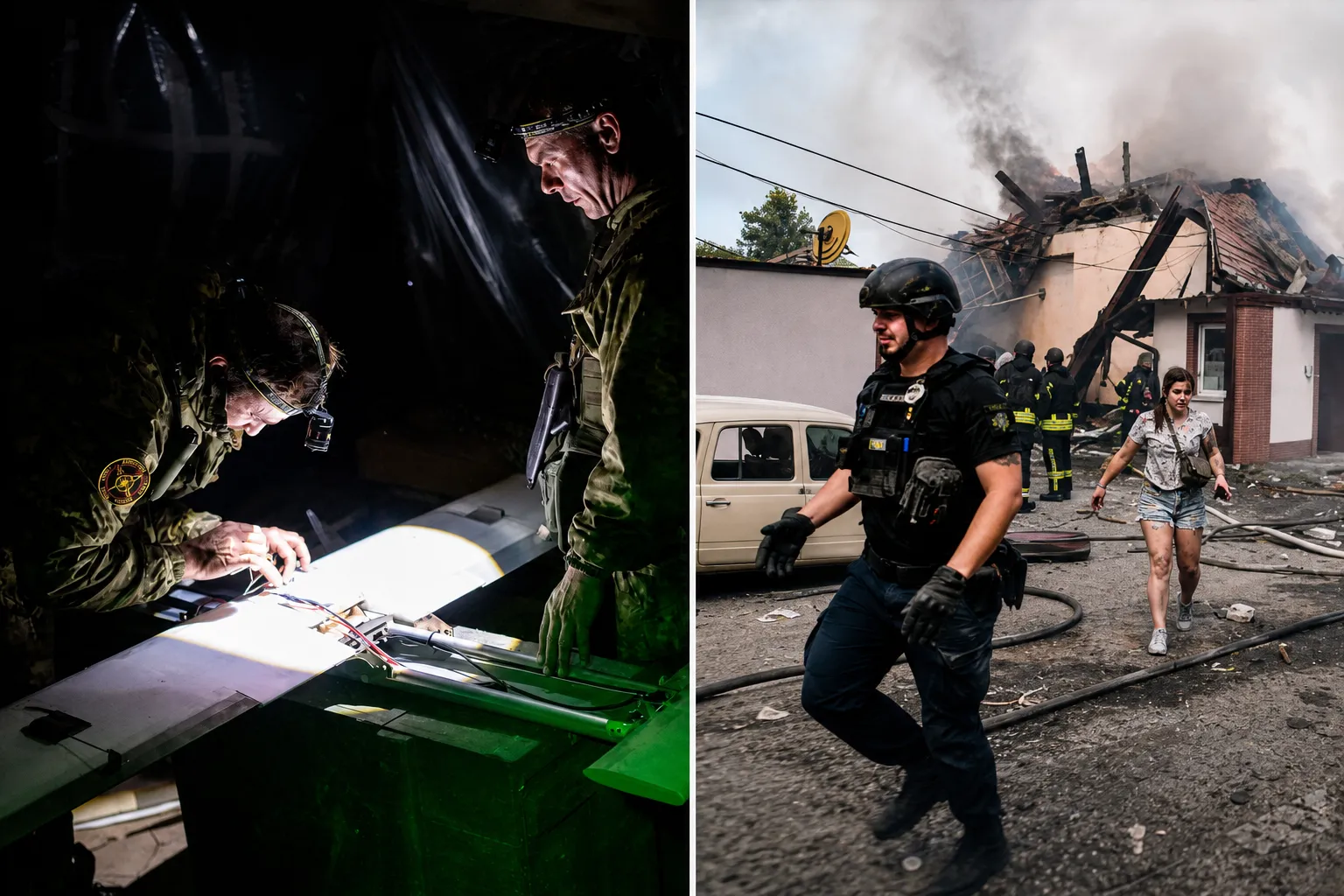
Three Ukrainian civilians were slaughtered by Russian drones guided by artificial intelligence, sparking grave fears about autonomous weapons.
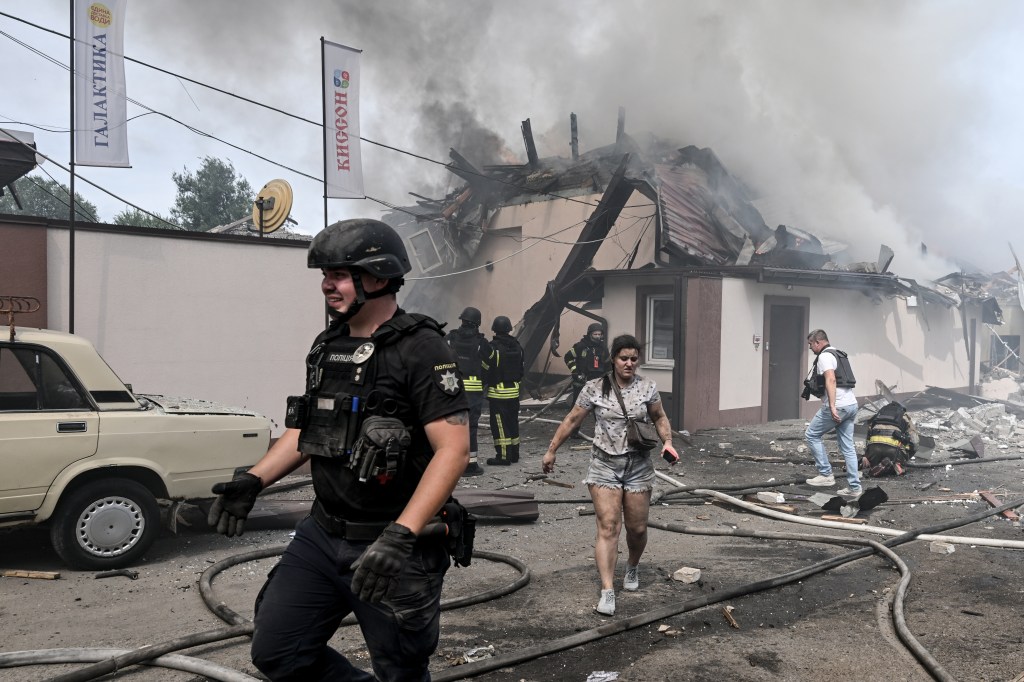
Tetiana Bubynets, 19, a university student, and two others were killed last month at a gas station in Zaporizhzhia by a drone outfitted with an experimental AI system that decides without a human operator where to strike. The July 6 attack would mark the first documented case in which self-targeting AI Russian drones caused civilian deaths, said Kateryna Bondar, a senior fellow at the Wadhwani AI Center at the Center for Strategic and International Studies in Washington.
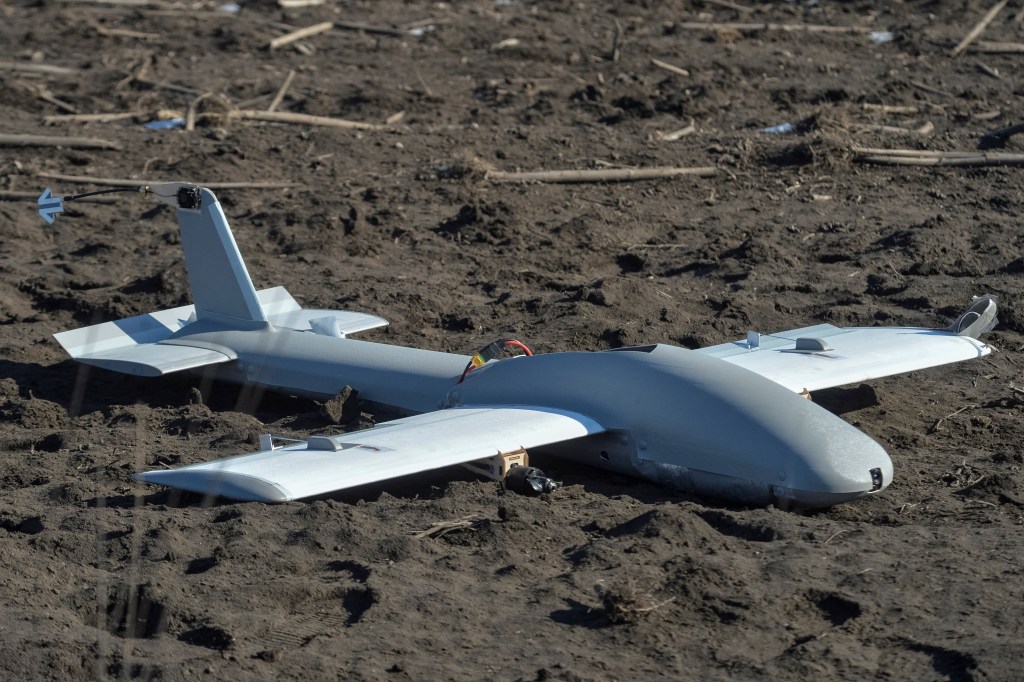
The drone, which resembled a model airplane, was programmed to fly toward the gas station. Once it closed in, an AI system autonomously chose its target — most likely propane tanks — based on its training to recognize such objects, experts and military officials told the paper.
“This is a risk for the whole world,” said Col. Serhiy Minaiev, the commander of Ukrainian air defenses in Zaporizhzhia.
“In a few years, we will be living in a ‘Terminator’ movie. It’s no joke. Machines are making decisions to strike,” he continued.
Debris recovered from the gas station and other strike sites around the city revealed that the drones were running on Nvidia minicomputers that determined where the drone would detonate, officials and experts said. Nvidia produces the majority of chips powering the world’s most advanced AI systems and confirmed that the module found in the drone was a Jetson Orin minicomputer, a low-cost system previously found on other Russian weapons.
Nvidia described the system as a consumer-grade product available for students, developers and start-ups “for a wide range of beneficial applications.” The company sells the computer in several countries but not in Russia, though it remains widely available through resellers.
The presence of an Nvidia module “is the best proof” that Russia has been experimenting with autonomous AI on the battlefield, Bondar added.
The attack underscores growing alarm among military officials and arms-control advocates about the speed at which AI is being deployed in lethal systems. Autonomous weapons that can select and engage targets without human intervention have long been debated at the United Nations, though no binding treaty has emerged to ban them.

Russia’s military has increasingly relied on drone warfare since its full-scale invasion of Ukraine began in February 2022, deploying thousands of Shahed and other unmanned aerial vehicles for reconnaissance and strikes. The addition of AI-guided targeting represents a significant technological leap that could reduce the need for human operators and enable faster, more distributed attacks.
Ukrainian forces have faced relentless drone strikes across the country’s south and east, with Zaporizhzhia serving as a frequent target due to its strategic position near the front lines. Civilian infrastructure including energy facilities, apartment buildings and transportation hubs have repeatedly been hit.
Bubynets and two other civilians became the first known fatalities from a self-targeting AI drone strike. The gas station explosion underscored how consumer technology can be rapidly adapted for battlefield use, with Nvidia’s widely available Jetson Orin modules enabling the autonomous decision-making that killed them.
The international community continues to grapple with how to regulate such systems as they proliferate beyond state militaries to non-state actors and smaller nations.