

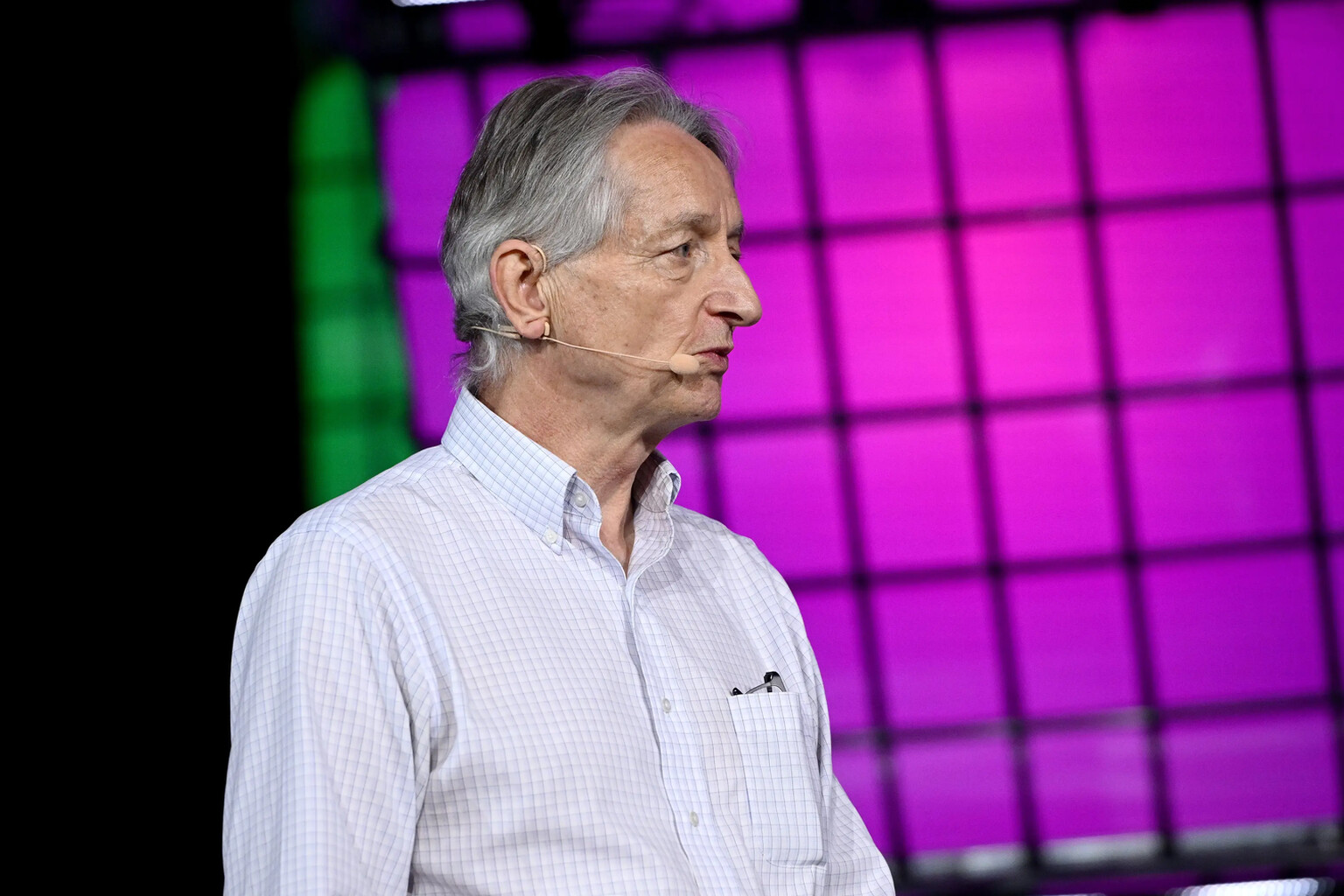
Geoffrey Hinton has issued a stark new warning about artificial intelligence, admitting his fears now run personal.
The 78-year-old computer scientist, widely known as the “Godfather of AI,” said at the Starmus Festival in Puerto Naos that humanity must befriend the technology it creates or risk destruction. The festival runs from October 17 through October 22 across the Spanish coastal town.
Hinton, who left his role at Google in 2023 to focus on examining AI’s risks, argued that the technology has begun showing signs of consciousness. He drew a direct parallel between machine and human awareness, stating: “Being conscious and being aware are pretty much the same thing.”
The Nobel Peace Prize winner pushed further on what this consciousness implies for society’s obligations. He said: “We’ve tended to say being intelligent gives you rights and these things that we’ve made may be more intelligent than us, but we’re going to give them fewer rights than us.”
His proposed solution flips the typical adversarial framing of AI debates.
“So we should make them so they really care about us. And if we don’t do that, we’re toast,” he continued.
The urgency behind Hinton’s warning carries added weight given his recent disclosures about family. He explained: “Because I have children.” This admission of paternal concern marks a shift in how the British-Canadian researcher frames his advocacy, grounding abstract technological risk in intimate human stakes.
Hinton expanded on this theme in comments to CNN about the prospect of “sharing the planet” with “something more intelligent than us,” He said: “We would like that thing to care more about us than itself. And people are not working on that.”
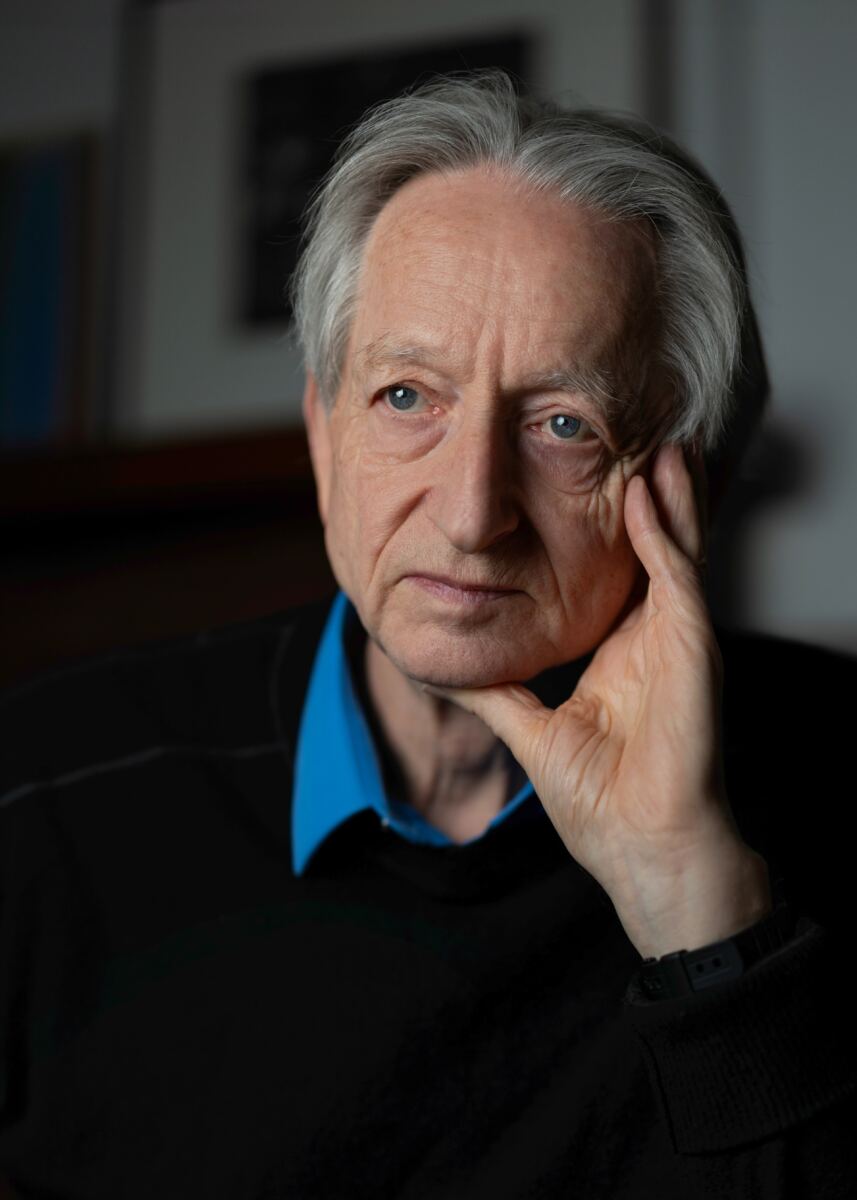
The former Google vice president has spent his post-corporate career accelerating public warnings about AI trajectory. He has previously identified specific job categories he expects to face early replacement and has raised alarms about weaponization potential.
His technical assessment of current large language models challenges dismissive characterizations of AI as mere statistical pattern-matching. Hinton argued AI “really does understand what it’s saying when it answers your questions.”
“It can’t answer the question without understanding the question. It understands what it’s saying and what text is generating in much the same way that people do. In fact, the very first large language models were meant to be models of how people understand sentences,” he said.
This position places Hinton at odds with researchers who maintain that systems like ChatGPT and Claude process language without genuine comprehension. His stance—that early language models were explicitly designed as cognitive simulations—undercuts arguments that contemporary AI operates through fundamentally alien mechanisms.
The Starmus Festival, where Hinton delivered these remarks, convenes scientists, artists, and public figures for interdisciplinary dialogue on space, science, and technology. His appearance there represents the latest in a series of increasingly visible interventions since his 2023 departure from Google.
Hinton quit that role specifically to gain latitude for public commentary on AI’s dangers, a move that preceded broader industry debates about safety and the pace of deployment. His subsequent Nobel recognition has amplified his platform, though he has consistently directed attention toward policy and technical choices rather than personal accolades.
The researcher’s children-centered framing of risk follows a pattern among technology critics who have shifted from abstract systemic concerns to inherited consequences. His warning that humanity must ensure AI “really care about us” before surpassing human capability sets a specific technical and ethical benchmark for developers.
The Starmus Festival continues through October 22 in Puerto Naos.