

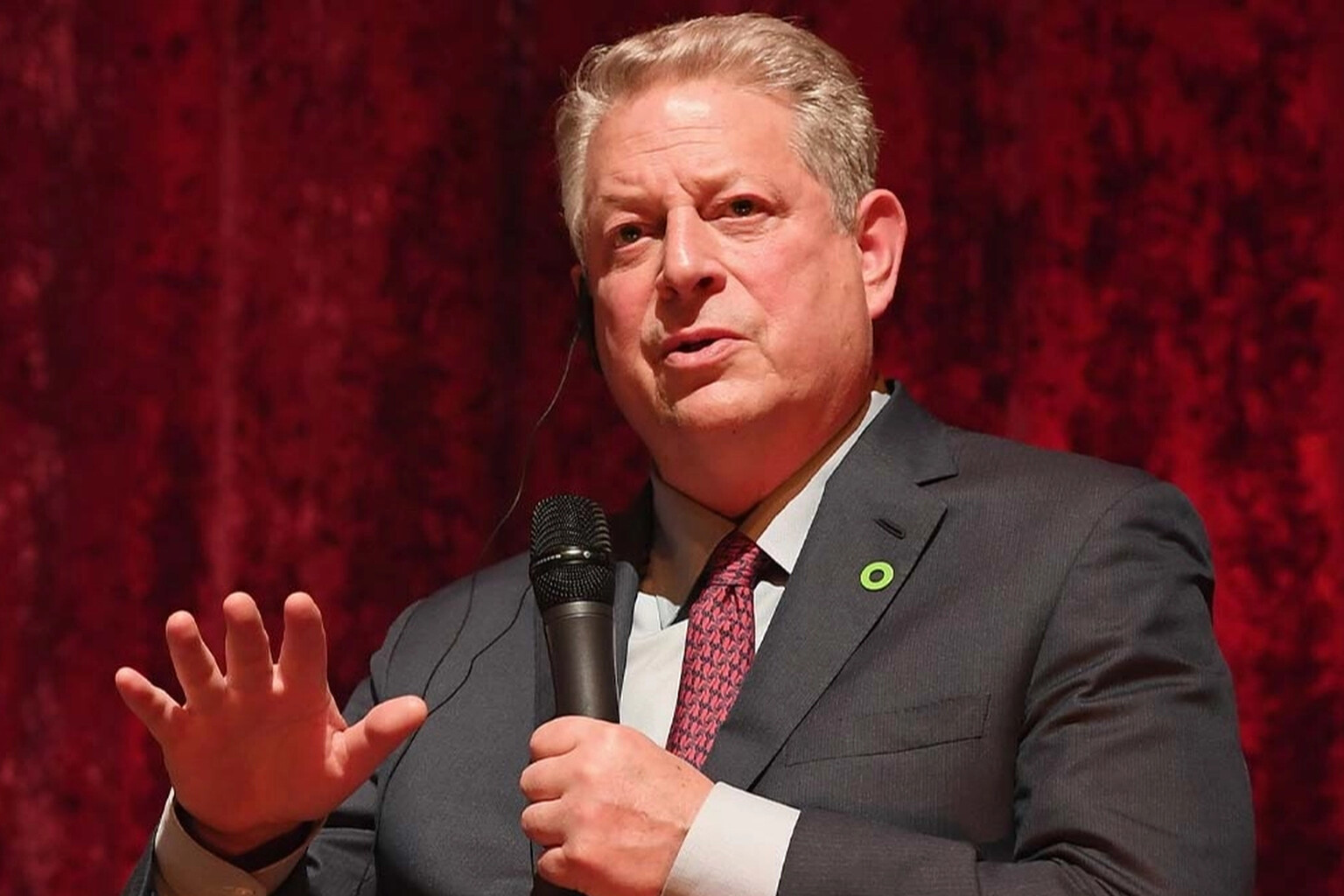
An AI analysis has revisited Al Gore’s 2006 climate documentary on its twentieth anniversary and found its broad warnings hold up even as several specific deadlines fell short.
Claude, the Anthropic AI assistant, said the pattern is fairly clear: the broad trends the film described, including warming, heavier rainfall and shrinking ice, have held up, while the claims that drew criticism were tied to specific dates, places or worst-case imagery.
The AI overview found that higher average global temperatures and more frequent extreme heat, including events such as the 2003 European heat wave, have proven accurate. It also points to Gore’s warning that warmer air holds more moisture, which leads to heavier downpours and stronger storms, a trend it describes as verified by modern meteorological data.
Shrinking ice is another area where the film got it right, according to the analysis. The projection that glaciers and ice caps would shrink significantly has been confirmed across the Arctic, Antarctic and mountain ranges worldwide, while the science that melting ice and thermal expansion would drive sea levels higher is well supported, even if specific short-term rates varied.
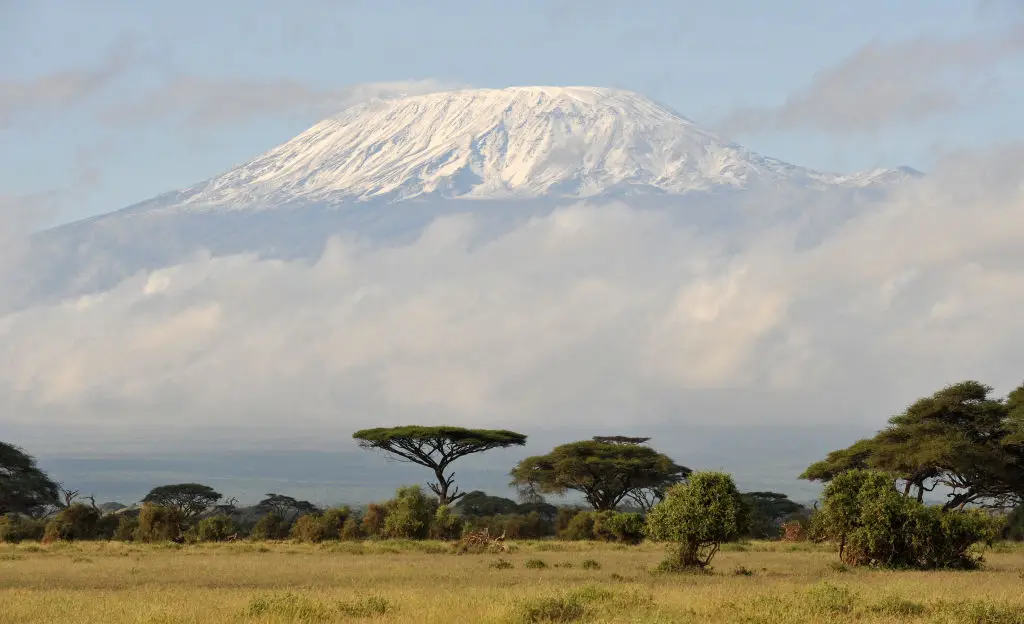
Other claims have not matched the timelines given. Gore said within a decade, around 2016, there would be “no more snows of Kilimanjaro.” The mountain’s ice fields have shrunk, the AI found, but seasonal snow and ice persist.
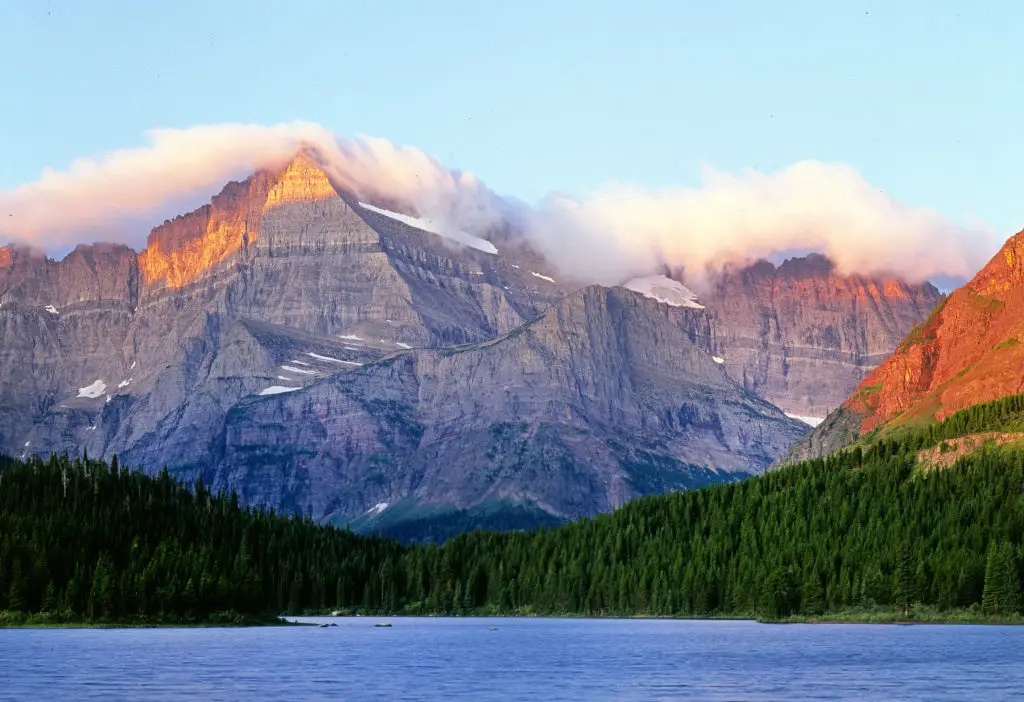
He also suggested glaciers in Glacier National Park would disappear entirely within a decade or so. They have retreated dramatically, the overview adds, but have not completely vanished.
The film’s imagery of a 20-foot sea level rise flooding areas such as lower Manhattan and parts of Florida is flagged as well. The AI describes it as a long-term catastrophic tail risk rather than an imminent, near-term prediction.
Claude said the 20-foot sea level image is best read as a worst-case scenario rather than a forecast, which is how the overview itself frames it.
The AI assistant added that whether a prediction “came true” depends on the yardstick. “Judged on direction, most of the film’s core claims hold up,” it said, “but judged on dates, several do not.” It also noted that a prediction with a deadline is easier to disprove than a long-term trend, which can make a film look less accurate than its underlying science.
This nuanced AI analysis echoes a famous legal challenge from shortly after the film’s release. In October 2007, the UK High Court weighed in on the documentary’s accuracy during Dimmock v Secretary of State for Education and Skills. The case was brought by a British school governor who sought to block the government from distributing the film to English secondary schools, claiming it amounted to political indoctrination.
Mr Justice Michael Burton ultimately ruled that the film could be shown, concluding that its core thesis was “substantially founded upon scientific research and fact.” However, the court identified nine specific “errors” or political overstatements where the narrative strayed from the mainstream scientific consensus of the time.
Gore, now 77, released “An Inconvenient Truth” in 2006 to global attention and controversy. The documentary, directed by Davis Guggenheim, used a slideshow presentation the former vice president had developed to warn of the dangers of anthropogenic global warming, combining scientific data with dramatic visual predictions of future catastrophe.
The film became a cultural flashpoint, winning two Academy Awards and helping to elevate climate change in public discourse even as conservative critics challenged its scientific basis and political motivations.
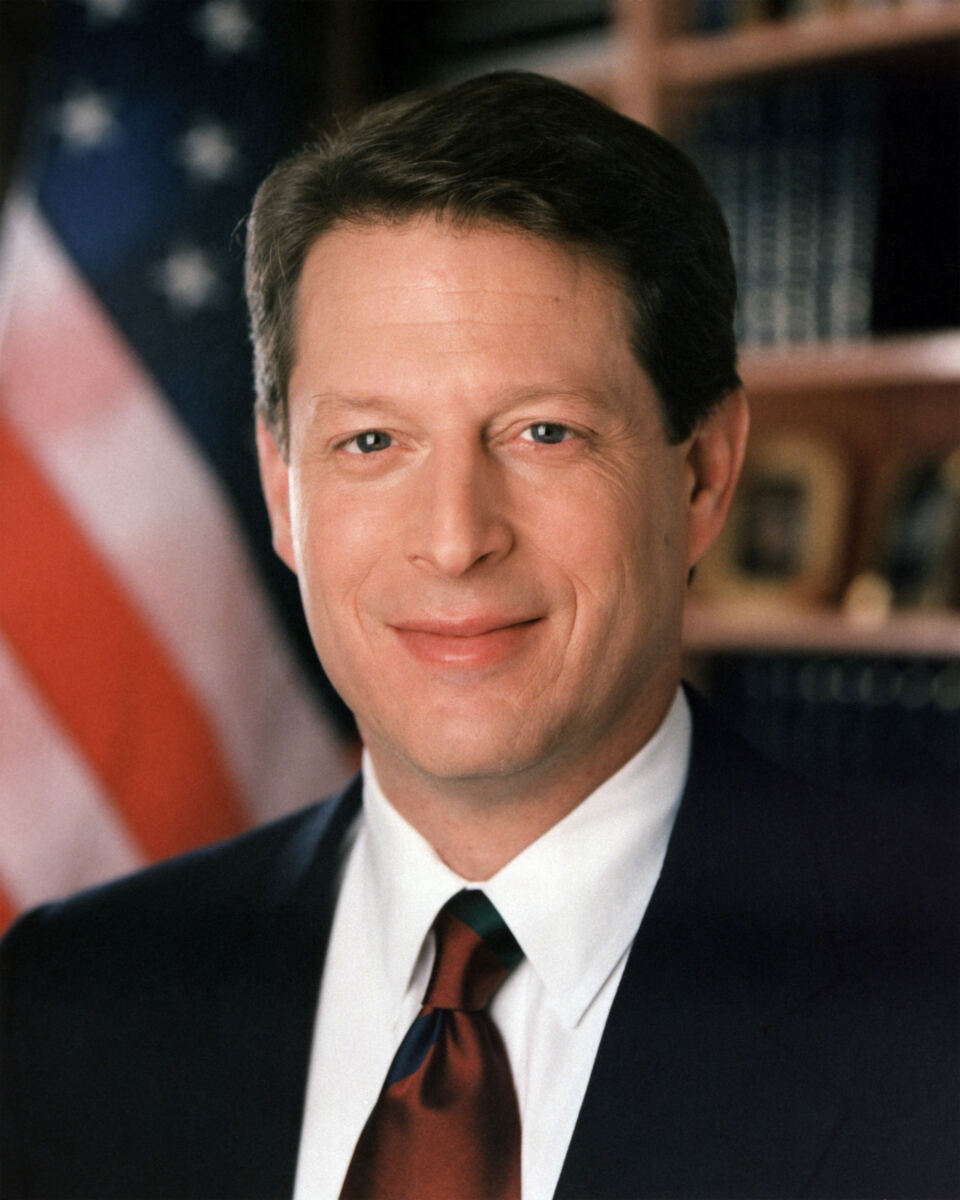
Gore is scheduled to continue his climate advocacy work with upcoming speaking engagements marking the documentary’s anniversary.