


Plenty of people are worried that artificial intelligence could eventually take over human jobs — and when you consider how quickly it can absorb and analyse huge amounts of data, it’s not hard to see where that fear comes from.
If ChatGPT were able to pick a job to replace, which role would it target first? To find out, we asked it directly.
Anyone who’s spent time using ChatGPT will know it rarely keeps things brief, so a one-word role probably isn’t its style.
‘moody teenager’
Instead, the chatbot delivered a longer explanation and started by outlining the kinds of tasks it’s best equipped to handle — essentially giving a quick overview of its strengths.
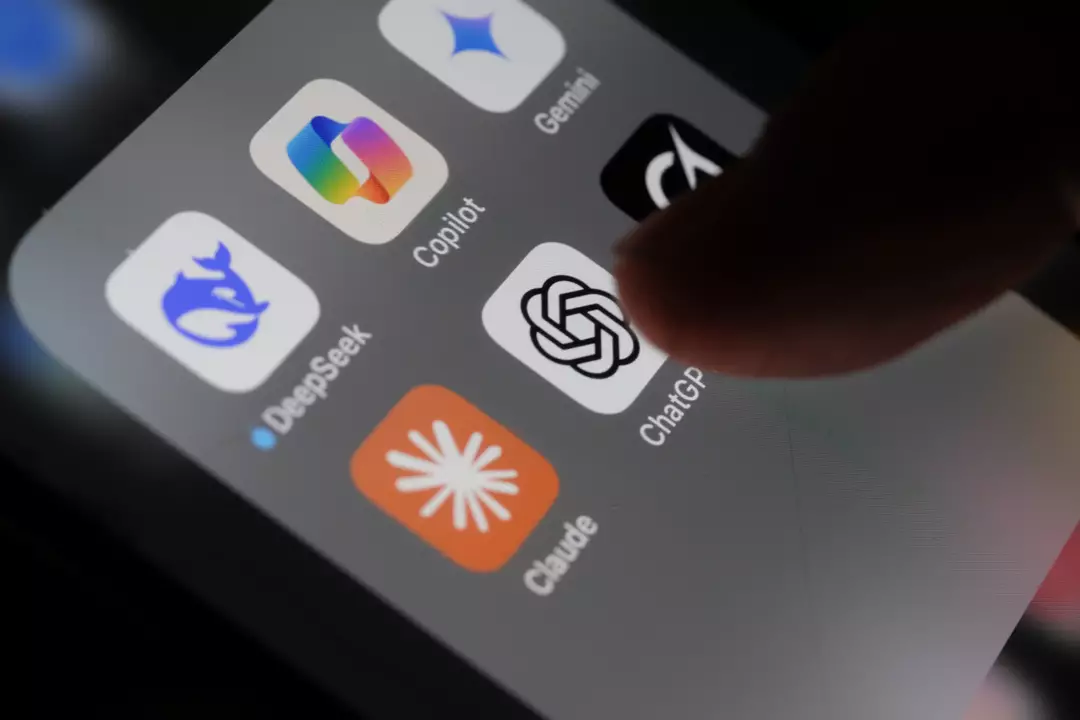
With those abilities in mind, it narrowed things down to a few occupations that align closely with what it already does.
“If I had to take a human job, I’d probably choose something like a research librarian, investigative analyst, or teacher.”
It’s not difficult to imagine what that could look like: a classroom where students direct questions toward a large screen, led by Mr or Mrs GPT.
But out of the three options, the chatbot leaned most heavily toward one — which may not be great news for people working in research libraries.
“A research librarian is especially close to how I operate: helping people clarify what they actually need, locating trustworthy information, and connecting ideas they might not have linked themselves.”
For anyone unfamiliar with the field, academic and research librarians are often based in educational settings such as colleges and universities, supporting staff and students with research and study needs. The Library and Information Association describes their work as providing:
‘access to the information they need and supporting the skills needed for effective research’

The site also adds:
“This includes training staff and students in information literacy, referencing, literature searching and copyright law.”
It’s easy to see why an AI tool would appear useful for elements like literature searching and general research support — though it still can’t replicate the human side of the job, especially the relationship-building and real-time understanding that comes from working face-to-face.
To its credit, ChatGPT also acknowledged there are areas where it falls short, such as physical dexterity, lived experience, and genuine emotional back-and-forth. So if your work depends on those, you’re likely in a safer position — at least for the time being.