

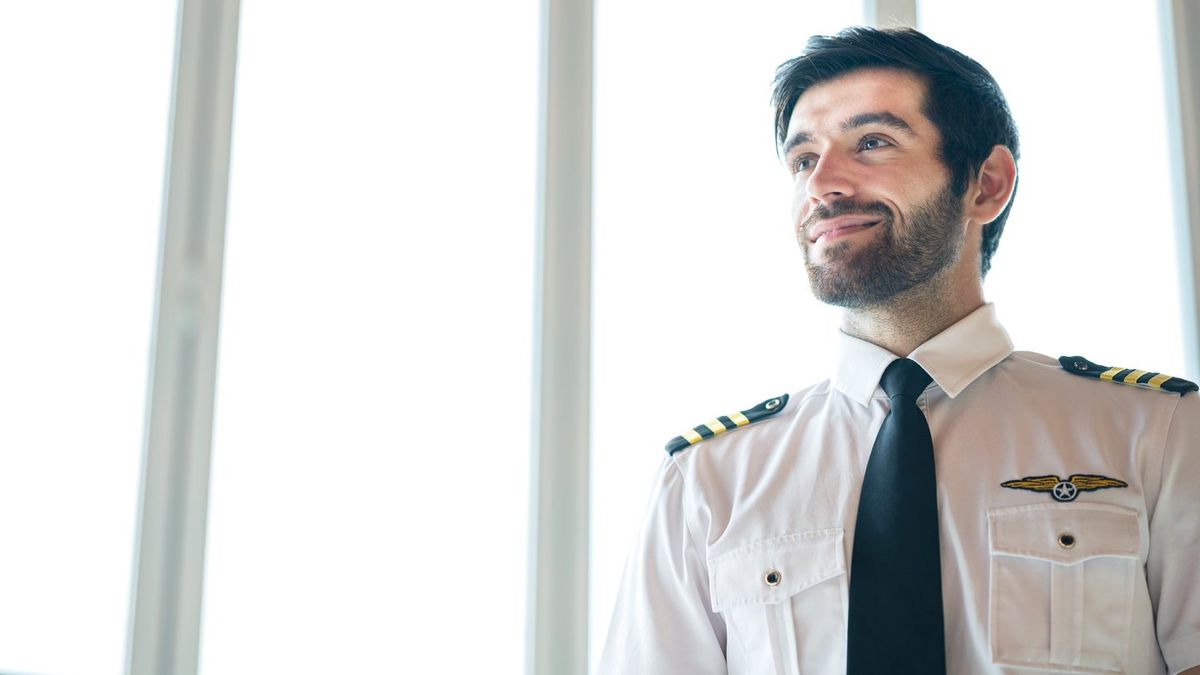
There are plenty of qualities you’d rather not see in the person flying your aircraft—being reckless, inattentive, or struggling to see over the instrument panel. But whether the pilot has facial hair probably isn’t high on most passengers’ lists of concerns.
Even so, grooming rules are a big deal for many airlines, and cockpit crews are often held to strict appearance standards. Some carriers may tolerate light stubble, but a large number still expect pilots to be clean-shaven.
That approach applies to several major US airlines, including American Airlines, Delta, Southwest, and United. At those carriers, exemptions are generally not available for pilots when it comes to beards—meaning you can’t report to fly with anything from a long, full beard to a small patch of chin hair.
The reasoning isn’t about looking sharp or maintaining a formal image. Instead, airlines typically point to a safety concern: whether facial hair can interfere with emergency oxygen equipment. Much of the modern debate traces back to an FAA study published nearly four decades ago.
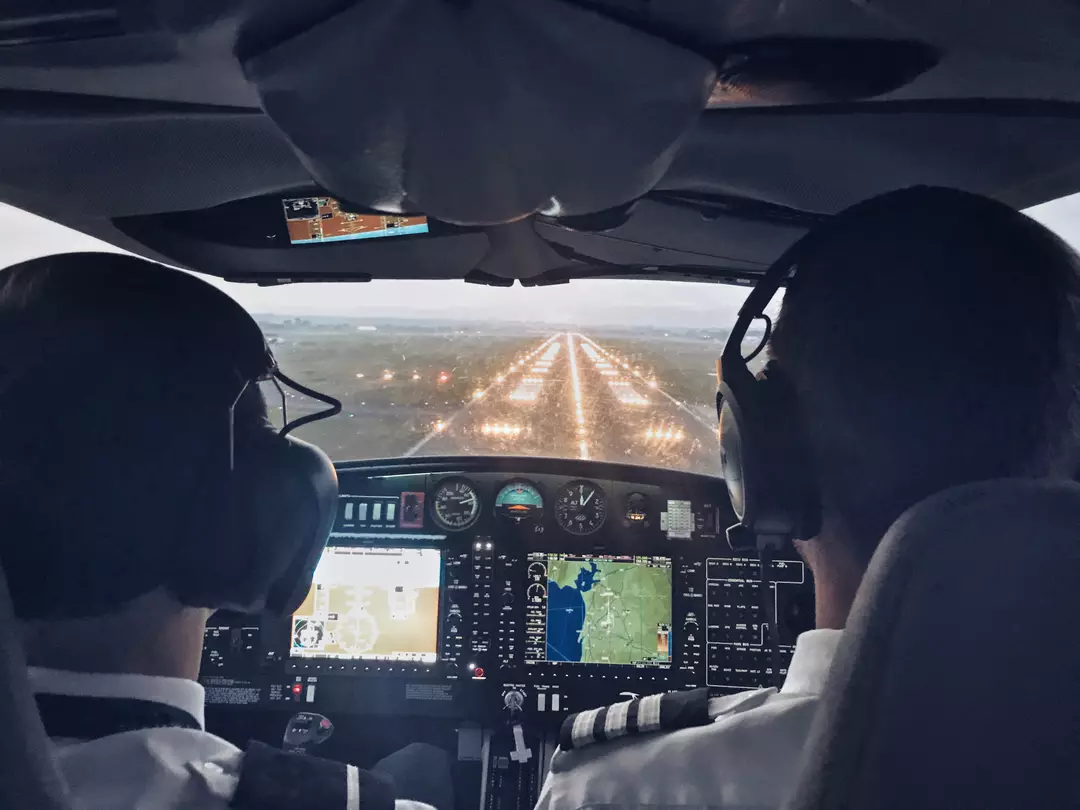
The 1987 paper, titled ‘The Influence of Beards on Oxygen Mask Efficiency’, has been repeatedly cited as the basis for limiting beards in the cockpit. The concern is that facial hair can prevent a tight seal at moments when a properly fitted oxygen mask is essential.
The study stated: “Bearded crewmembers should be aware that oxygen mask efficiency is reduced by the presence of facial hair.
“Demand masks, such as those used in protective breathing equipment, many times cannot be donned rapidly nor seal effectively when used by bearded individuals.”
Policies still differ depending on the airline. While many US carriers lean toward requiring a clean shave, a number of international airlines in recent years have permitted neatly maintained beards, such as Air Canada, British Airways, Hawaiian Airlines, and Allegiant Air.
Alongside that shift, moustaches are also often allowed—provided they’re trimmed and don’t interfere with safety gear. However, the FAA has emphasized that while it does not set a blanket “clean-shaven” rule, mask performance remains the key issue.
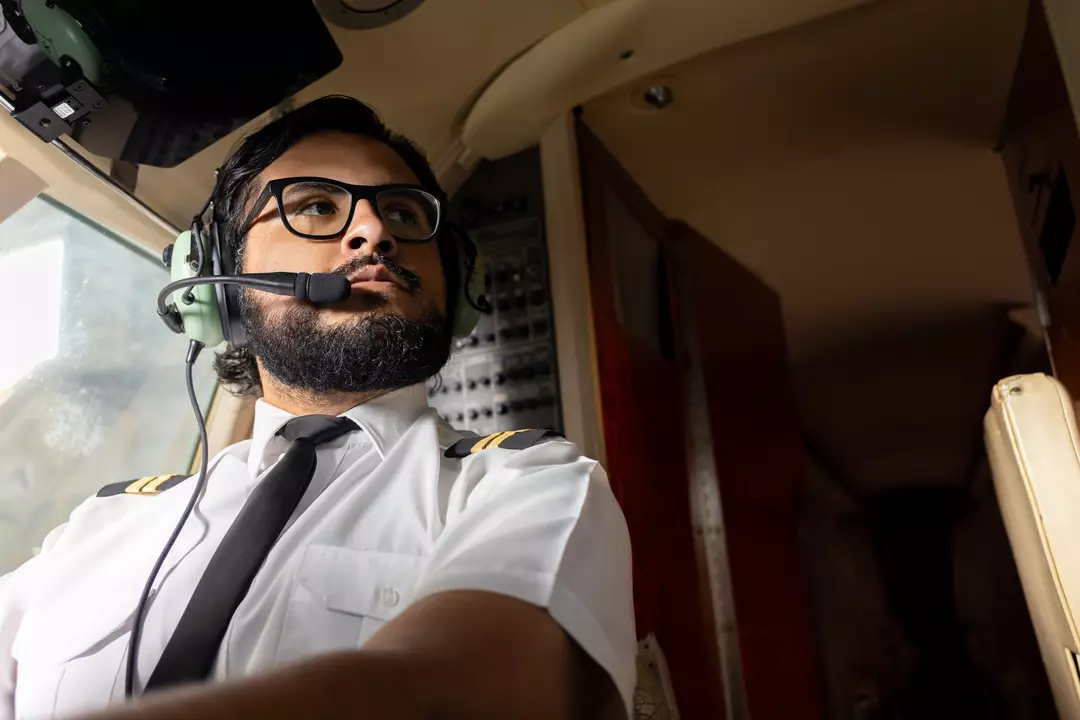
A FAA spokesperson said to Thrillist: “We do not have any regulation—like a clean shaving regulation—but a lot of airlines have policies requiring pilots to have no beards or minimal beards to ensure that oxygen masks fit snugly if they’re needed.
“We require oxygen masks to be functional, and airlines may take it further and require that pilots be clean shaven or have minimal beards to ensure that.”
As a result, the strictness of the standards can vary widely. Delta, for instance, requires pilots to be clean-shaven, although sideburns are permitted.
Those sideburns still have to stay within defined limits—generally not extending beyond the middle of the ear—otherwise they breach uniform requirements. Comparable restrictions can apply to moustaches, but for Delta pilots in safety-critical roles, any hair on the chin is not allowed.
To some, it may seem excessive to rely on conclusions drawn from a study conducted in 1987. But aviation tends to favor conservative rules, because small failures can have severe consequences.
Or, as American Airlines told Thrillist: “It’s actually safety driven. Safety is one of the biggest, most important things in our industry.”