


Researchers are warning about the risks linked to tick bites as alpha-gal syndrome becomes more widespread across the United States.
Alpha-gal syndrome is a tick-related condition that can appear suddenly and leave people dealing with severe allergic reactions.
Doctors and researchers at Stony Brook Medicine say the number of Americans affected could be far higher than many realize, estimating that up to 450,000 people may be living with the syndrome—often without knowing it until symptoms hit.
The condition can cause a dangerous allergy to red meat including beef, pork, and lamb. Some people also react to other mammal-derived foods and ingredients, such as dairy or gelatin.
The hospital has noted: “Many develop symptoms after eating foods they have enjoyed their entire lives, often without realizing a tick bite triggered the change.
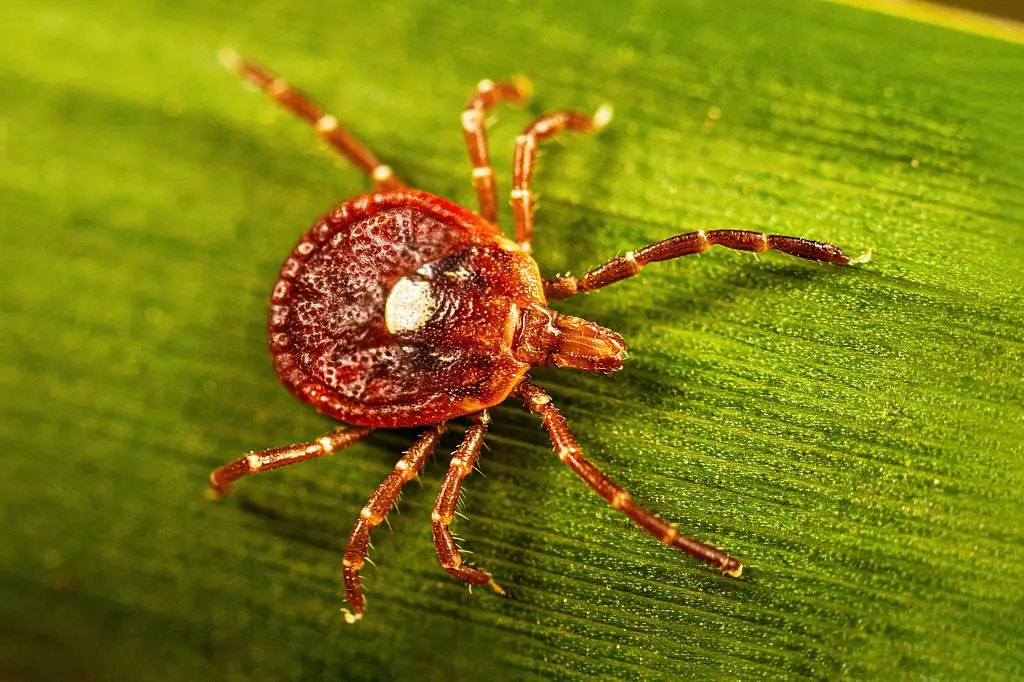
Some experts argue the condition is frequently missed, even as cases rise in areas where ticks known to carry alpha-gal antibodies are becoming more common.
Allergist and immunologist with the Allergy and Asthma Network Purvi Parikh spoke to BillyPenn and said: “The issue with alpha-gal is that it’s probably underdiagnosed.
“As a result of it being underdiagnosed and underreported, there may be more deaths that we don’t even know about, because that connection hasn’t been made.”
So, what exactly is alpha-gal syndrome?
According to the MayoClinic, it’s a form of food allergy that can develop after a tick bite.
The hospital has said: “In the United States, the condition most often begins with the bite of the lone star tick. Other types of ticks cause the condition in different parts of the world, mainly in parts of Europe, Australia, Asia, South Africa, and South and Central America.”
Newer research has also pointed to additional tick species as potential sources of transmission. Last year, scientists reported that western black-legged ticks on the West Coast, along with eastern and midwestern deer ticks, may also play a role in spreading the illness.

The Mayo Clinic also noted: “Some people may have alpha-gal syndrome and not know it. There are people who have serious allergic reactions, called anaphylactic reactions, for no known reason. Because the reactions can be delayed for hours, researchers think that some of these people may be affected by alpha-gal syndrome.
“The only treatment for alpha-gal syndrome is to not eat red meat or other products from mammals that can trigger reactions. A serious allergic reaction may need medicine called epinephrine and treatment in an emergency room.”
Symptoms can vary from person to person and may range from mild to severe. Reported signs include hives and itching, swelling of the lips, face, throat or eyelids, wheezing or shortness of breath, stomach pain, diarrhea, nausea, or vomiting.