

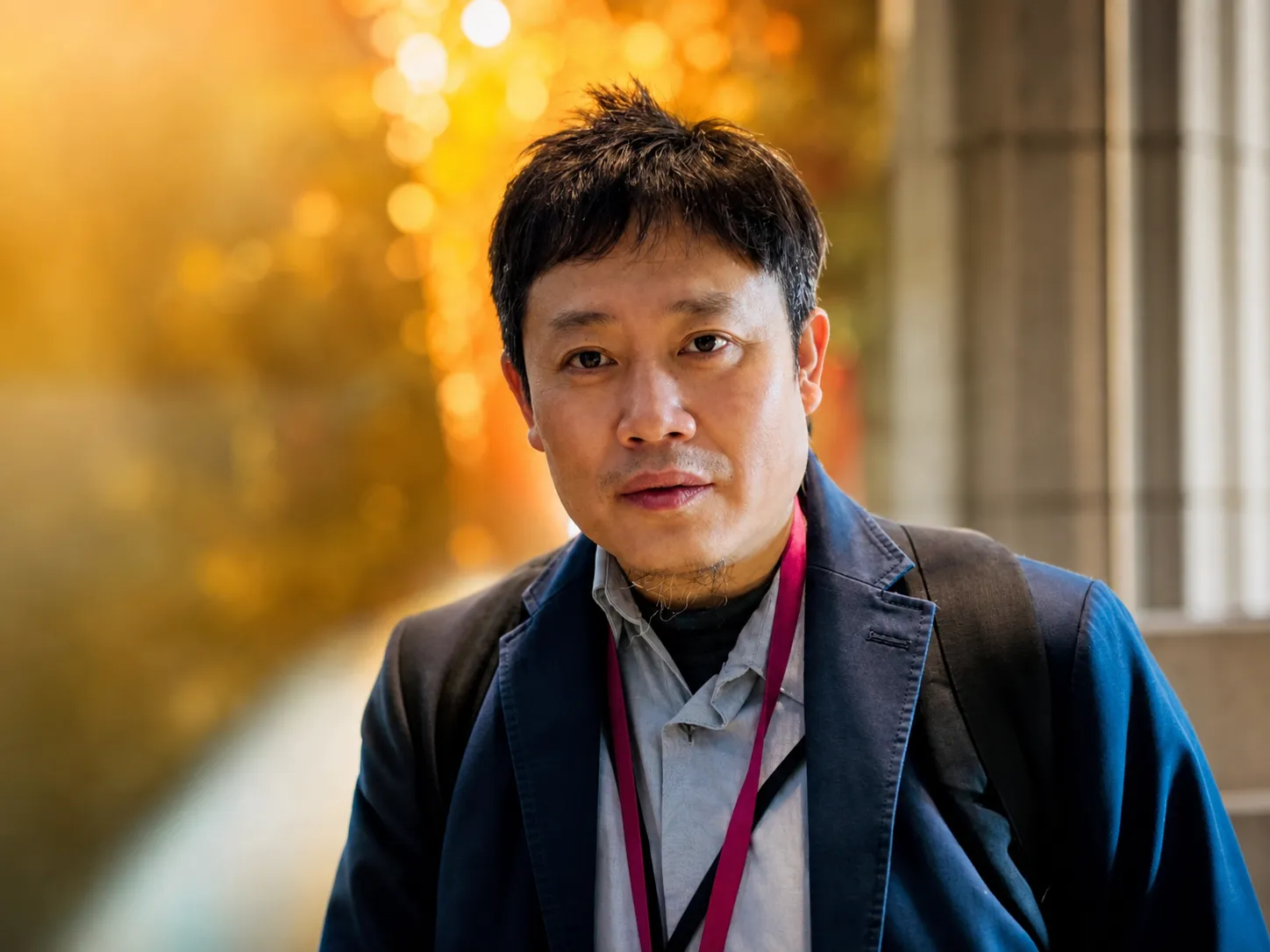
A Chinese-born American seismologist has been detained in China for nearly two years on espionage charges, his family revealed this week, in a case that adds friction to already tense U.S.-China relations at a critical moment in diplomatic negotiations. The detention of Youlin Chen, disclosed publicly for the first time, involves a scientist whose research on detecting North Korean nuclear tests has drawn intense scrutiny from Chinese authorities.
Chen, 54, was arrested on November 5, 2024, at Beijing International Airport as he prepared to board a flight home to Boston after visiting family and delivering lectures at two Chinese universities. He became a U.S. Citizen in 2011 and lives in Massachusetts, making him the only American currently held in China formally designated as wrongfully detained. In March, Secretary of State Marco Rubio designated him as such, elevating his case to a top U.S. Diplomatic priority.
The arrest came after years of publicly available research. Chen had conducted work funded by the U.S. State Department and the Air Force Research Laboratory examining the seismic signatures of North Korea’s six known nuclear tests. A December 2020 paper he wrote was approved for public release by the State Department’s arms control bureau and remains viewable online. He has never held a U.S. Security clearance or performed classified work, according to those familiar with his background.
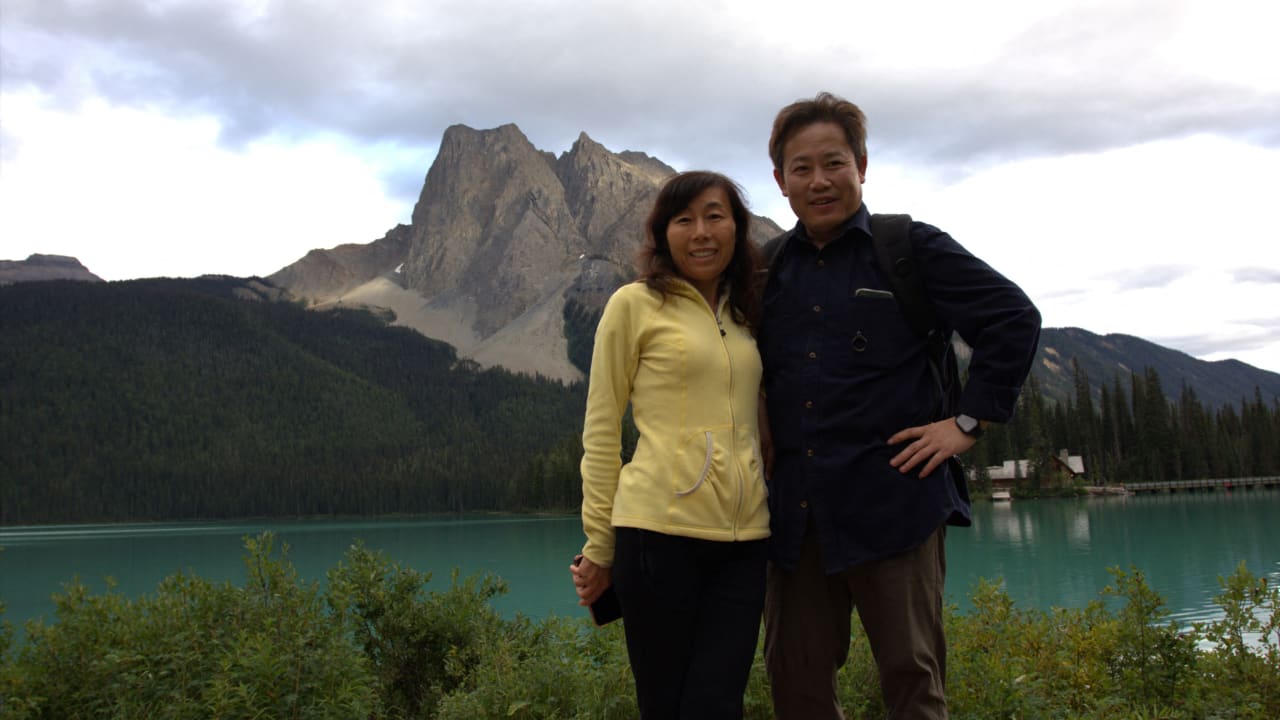
Despite these facts, Chen was formally charged with espionage on May 1, 2025, and awaits trial. Espionage convictions in China can carry sentences ranging from lengthy imprisonment to life in prison or, in cases deemed especially severe, the death penalty. His wife, Yufang Rong, who is also a seismologist, expressed deep concern about the proceedings, saying that she believes Chinese authorities have already decided his guilt before any trial begins. She fears the trial will be conducted behind closed doors.
The Trump administration took initial steps to address the case. During a state visit to Beijing in May, President Trump raised Chen’s detention with Chinese President Xi Jinping, according to Rong. She said Xi promised to look into the matter, but no action has followed. The administration had withheld public announcement of Chen’s designation as wrongfully detained to preserve diplomatic space for high-level negotiations aimed at securing his release. A U.S. Source confirmed the administration was “focused on gaining his release from his unjustifiable detention,” though the source did not directly confirm Trump’s conversation with Xi.
The conditions of Chen’s confinement have raised alarms among advocates for his release. At the beginning of his detention, Rong reported that Chen endured harsh treatment, including being forced to sit on a hard stool for entire days without being allowed to stand, read, or exercise. He was denied access to medications for his diabetes and other health conditions. Since then, she said, it has been difficult to obtain information about his situation, but she reported that he has lost 30 to 40 pounds, receives insufficient food with little protein or fresh vegetables, and receives only poor-quality medicines.
Chinese officials have interrogated Chen more than 100 times about his research on North Korean nuclear test signatures. He was not allowed to see a lawyer until after he had been detained for more than 13 months. U.S. Embassy officials have visited him several times, but Chinese officials were always present, preventing him from speaking freely.
Experts and advocates have suggested that Chen’s detention may reflect Chinese interest in his scientific expertise. Eric Lebson, a former U.S. National security official whose hostage advocacy organization, Global Reach, is assisting Chen’s family, said he believes China wants to use Chen’s knowledge to improve its ability to conceal underground nuclear weapons tests through a technique called decoupling, in which a device is detonated inside a specially constructed underground chamber to reduce the magnitude of seismic shock waves. The Trump administration accused China in February of attempting to use such a technique during a suspected low-yield nuclear test on June 22, 2020, a charge Beijing has denied.
Human rights organizations argue that China’s state-secrets law gives authorities broad powers to retroactively classify previously public information as national security secrets, potentially exposing researchers to prosecution even when their work has been openly published and approved for release.
The case represents a broader pattern of detention affecting Americans in China. The Foley Foundation, a hostage advocacy organization, estimates that at least 12 Americans are being unjustly detained in China or prevented from leaving through exit bans. Chen’s detention came weeks before another high-profile arrest: Min Zin, a U.S. Scholar and director of a Myanmar-focused think tank, was detained in the city of Kunming and accused of spying and endangering Chinese national security.
Massachusetts Senator Ed Markey has emerged as a vocal advocate for Chen’s release. In December, he led two other senators in a letter to Secretary Rubio urging his designation as wrongfully detained. “It is my hope that increased attention on his unjust detention will force the Chinese government to do the right thing and release Dr. Chen,” Markey said in a statement.
The case is likely to resurface when Xi visits Washington in September, according to Trump’s prior announcements. Both the White House and Chinese officials have been largely silent on the matter, with the Chinese Foreign Ministry asserting that its judicial organs handle cases according to law and denying there is any “so-called wrongful detention.”