

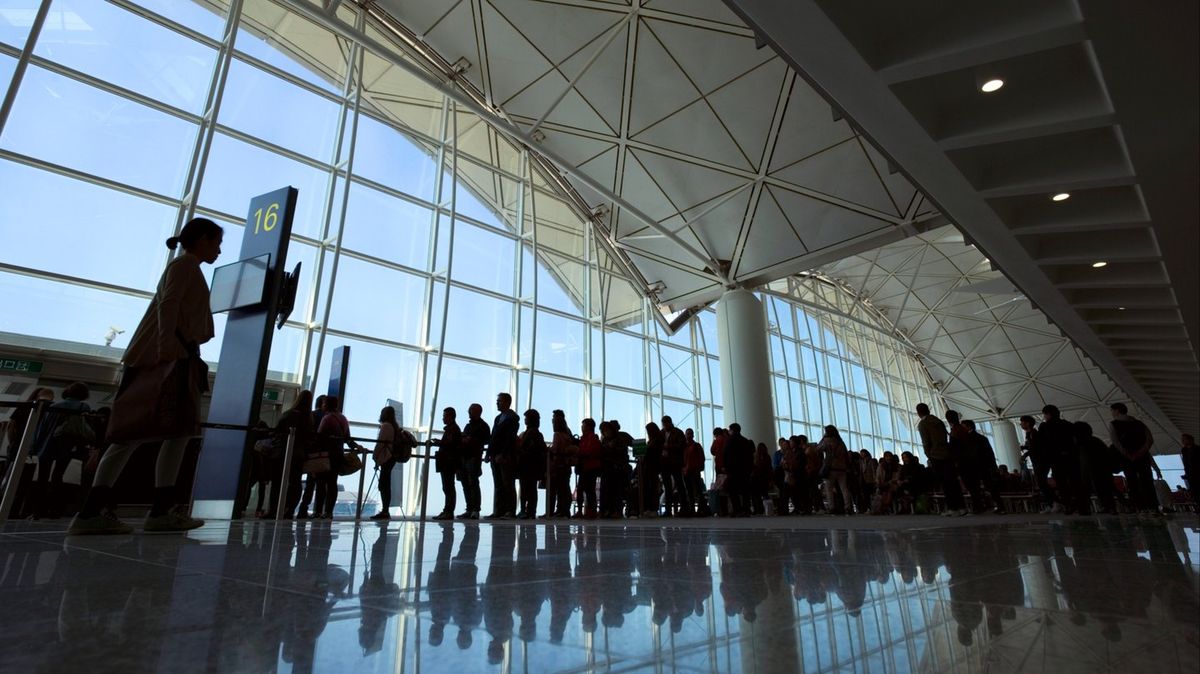
US travelers heading to Europe soon may want to budget a little extra, as a number of destinations have introduced or expanded visitor charges.
Tourism continues to be a major driver of economic activity worldwide. In 2024, it was reported to have added an estimated $11.1 trillion to global GDP.
UN Tourism also noted that international arrivals rose by around four percent last year.
UN Tourism Secretary-General Shaikha Alnuwais said at the time:
“Demand for travel remained high throughout 2025, despite high inflation in tourism services and uncertainty from geopolitical tensions.
“We expect this positive trend to continue into 2026 as global economy is expected to remain steady and destinations still lagging behind pre pandemic levels fully recover.”
But while strong visitor numbers can benefit local businesses and national economies, some places are increasingly worried about over-tourism — where the volume of visitors starts to damage communities, infrastructure, or heritage sites.
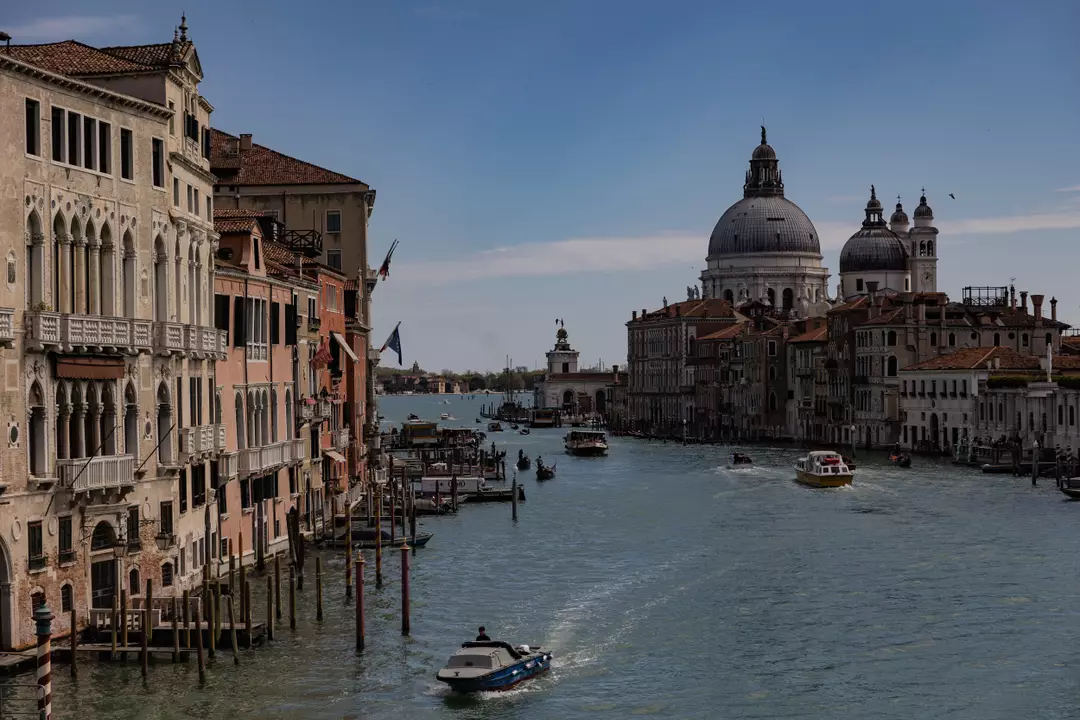
Venice is one of the best-known examples. In response to pressure from high visitor numbers, the city confirmed back in 2023 that day-trippers would be required to pay an entry charge on certain dates.
Visitors who reserve their entry ahead of time pay €5, while those who arrive without booking are charged €10 to access the city.
Those entry fees previously applied on 30 days each year, but Italian officials have expanded the scheme for 2026 by doubling the number of chargeable days.
From April 3, selected dates through to July 26 will require visitors to pay the fee.
According to TimeOut, the dates are:
Outside of those specified days, tourists will still be able to enter Venice without paying the charge.

Elsewhere in Italy, Rome has also introduced fees in 2026, with visitors paying €2 to access certain attractions, including the Trevi Foundation, which had previously been free.
In the UK, Edinburgh has become the first city to introduce a tourism levy. From July 24, visitors must pay an additional five percent of their accommodation cost per night.
And in the Netherlands, tourists planning a trip to the small town of Zaans Schans — known for its windmills and tulips — are expected to pay €17.50 per day.
Reports said the Zaans Schans charge would apply to tourists visiting from spring onwards, reports said last year, though a precise start date has not yet been confirmed.