

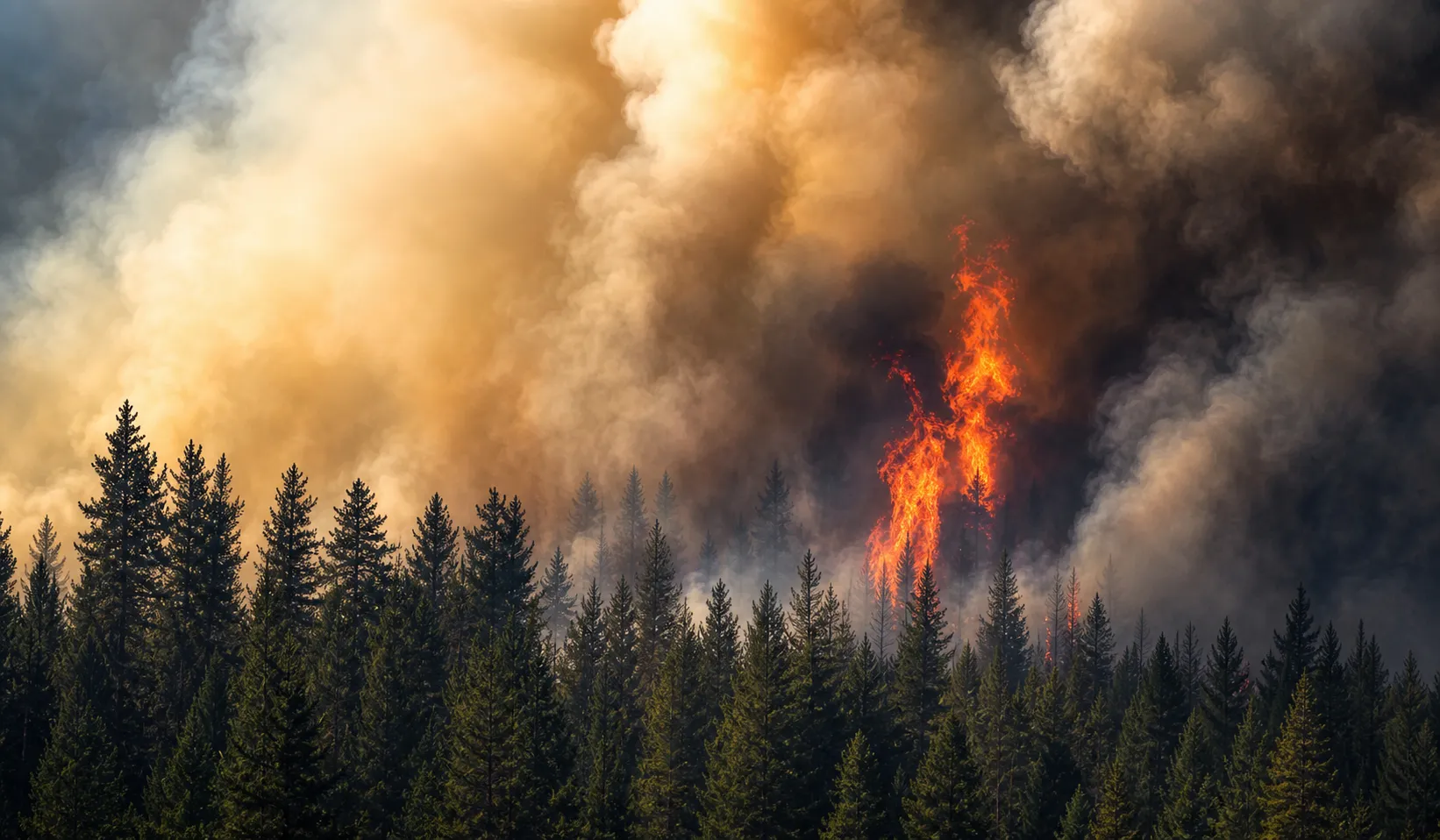
Tragedy struck the firefighting community again this week as a fourth firefighter succumbed to injuries sustained in a deadly blaze near the Colorado-Utah border nearly a month ago, even as dangerous wildfires continued their relentless march across the American West. The death underscores the mounting human cost of battling massive fires in an increasingly volatile fire season.
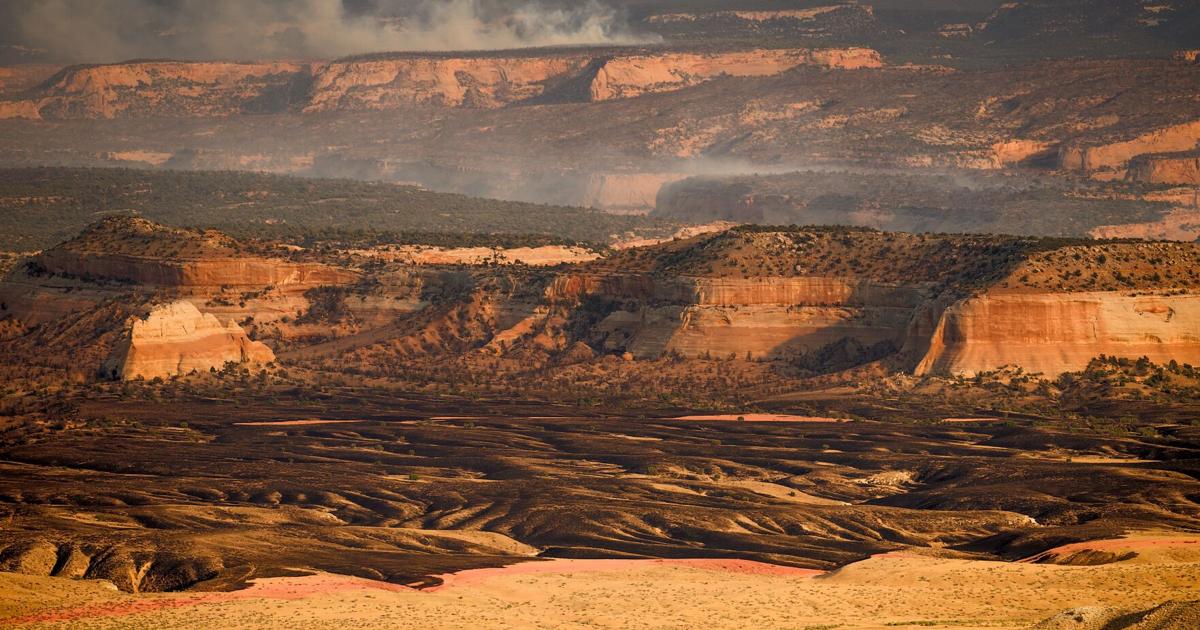
Nathan Matthews, 43, of Lincoln, Nebraska, died Friday from burn injuries sustained on June 27 during a catastrophic incident in western Colorado. His death marks the fourth casualty from a burnover that engulfed five federal firefighters working to control a fast-moving wildfire near the Colorado-Utah border in Mesa County, west of Grand Junction. Three colleagues—Emily Barker, 38; Nick Hutcherson, 27; and Sydney Watson, 26—died at the scene when flames overran them as they had deployed emergency shelter as their last line of defense. A fifth firefighter was also injured and remains under medical care.
Matthews was assigned to the Rifle Helitack crew, a specialized unit that gets dropped by helicopter into remote areas to attack rapidly expanding fires. On June 27, what began as a routine initial attack operation turned catastrophic when the Knowles Fire, later overtaken by the larger Snyder Fire, spread with shocking speed and cut off all escape routes. The incident occurred in what firefighters call a burnover—a situation where flames advance so quickly that crews become completely surrounded. The five firefighters had no choice but to deploy their foil-lined emergency shelters, essentially tents designed as a last-resort protection when no other options exist.
The death of Matthews came as authorities announced a major wildfire emergency unfolding near Sisters, Oregon, a town of about 3,000 residents in central Oregon. Dry, windy weather fueled the rapidly spreading Akawa Butte Fire, which started Thursday by lightning strike and had grown to approximately 40 square miles by Saturday, with only five percent contained. The blaze loomed just a few miles north of town, and winds gusting up to 30 miles per hour threatened to push flames toward populated areas, prompting evacuation orders for nearby communities.
Firefighting resources for the Oregon fire doubled as officials designated it the nation’s highest-priority fire for resource allocation. Sisters High School operated as an evacuation shelter, housing approximately 100 people from evacuated areas north of the city. Sisters Mayor Jennifer Letz urged caution while attempting to reassure residents. “It’s going to take a while to put it out entirely. But as long as it stops moving, I think that’ll get people to relax a little bit,” Letz said, adding that the city itself remained safe. “We’re not necessarily asking everybody to come to Sisters. But it’s safe here.”
According to local officials, about 30 people were sheltered at the high school, with roughly the same number staying in recreational vehicles parked outside. The city was not in immediate danger, authorities said, and business continued largely as normal, though streets were busy with emergency vehicles and firefighting equipment.
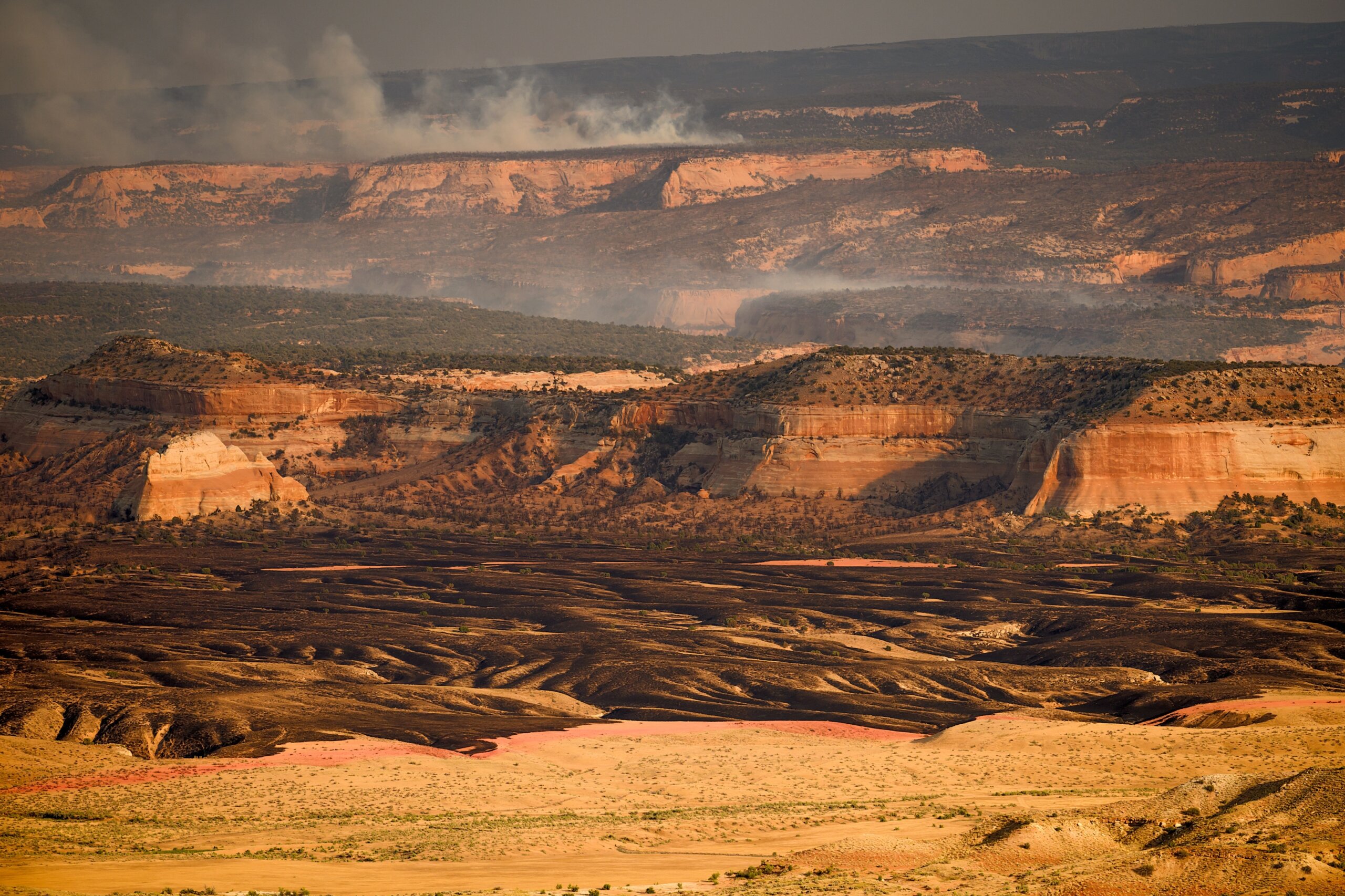
The western United States found itself locked in a summer of unprecedented fire activity. Months of exceptionally dry weather, record snow deficits in some areas, persistent hot spells, and erratic winds combined to create tinderbox conditions across Oregon, Washington, California, Colorado and beyond. In Canada, an even more massive crisis was unfolding, with 926 fires burning Saturday, including 82 deemed out of control. About 300 aircraft and 5,300 personnel were engaged in fighting the Canadian blazes, with 133 fires in northwestern Ontario alone and the largest single Ontario fire covering some 1,200 square miles.
The Snyder Fire near the Colorado-Utah border that killed the four firefighters had burned more than 28,000 acres and represented one of the worst fires of the early summer season in the West. Three of those firefighters—Barker, Hutcherson, and Watson—were honored at a memorial service earlier in the month. The Rifle Helitack crew they belonged to was part of the newly created federal Wildland Fire Service, and their deaths marked the agency’s first fatalities since its establishment earlier in the year.
“This is another heartbreaking loss for our wildland fire family,” U.S. Wildland Fire Service Chief Brian Fennessy said in a statement regarding Matthews’ death. “We mourn the loss of Nate while continuing to grieve the deaths of Emily, Nick and Sydney. Our hearts are with their families, friends, crewmates and everyone impacted by this tragedy.”
A serious accident investigation team was continuing to examine the circumstances that led to the burnover incident, seeking to understand how and why firefighters had been positioned in an area that would ultimately prove deadly. The investigation could yield critical information about decision-making, deployment procedures, and whether improved protocols might prevent similar tragedies in the future.
The loss of the four firefighters underscores a grim trend in wildfire seasons across America. While overall wildfire incidents have become less common over the past decade according to data from the American Burn Association, the proportion of firefighting deaths that are wildland firefighters has increased dramatically, rising from two percent to ten percent of all firefighting fatalities. As climate patterns shift and conditions become more extreme, wildland firefighters face increasingly unpredictable and dangerous conditions in remote areas where escape options are limited.
Firefighters in Oregon continued working around the clock to contain the Akawa Butte Fire, establishing control lines on northern and southern perimeters while racing against forecast red flag warnings calling for continued hot, dry, and windy conditions. Governor Tina Kotek visited the fire area Friday to observe firefighting operations and express support for crews battling the blazes. The fire would test firefighters’ skills, resources, and endurance as it joined dozens of other major fires burning across the western landscape in what was shaping up to be a severe fire season for 2026.