

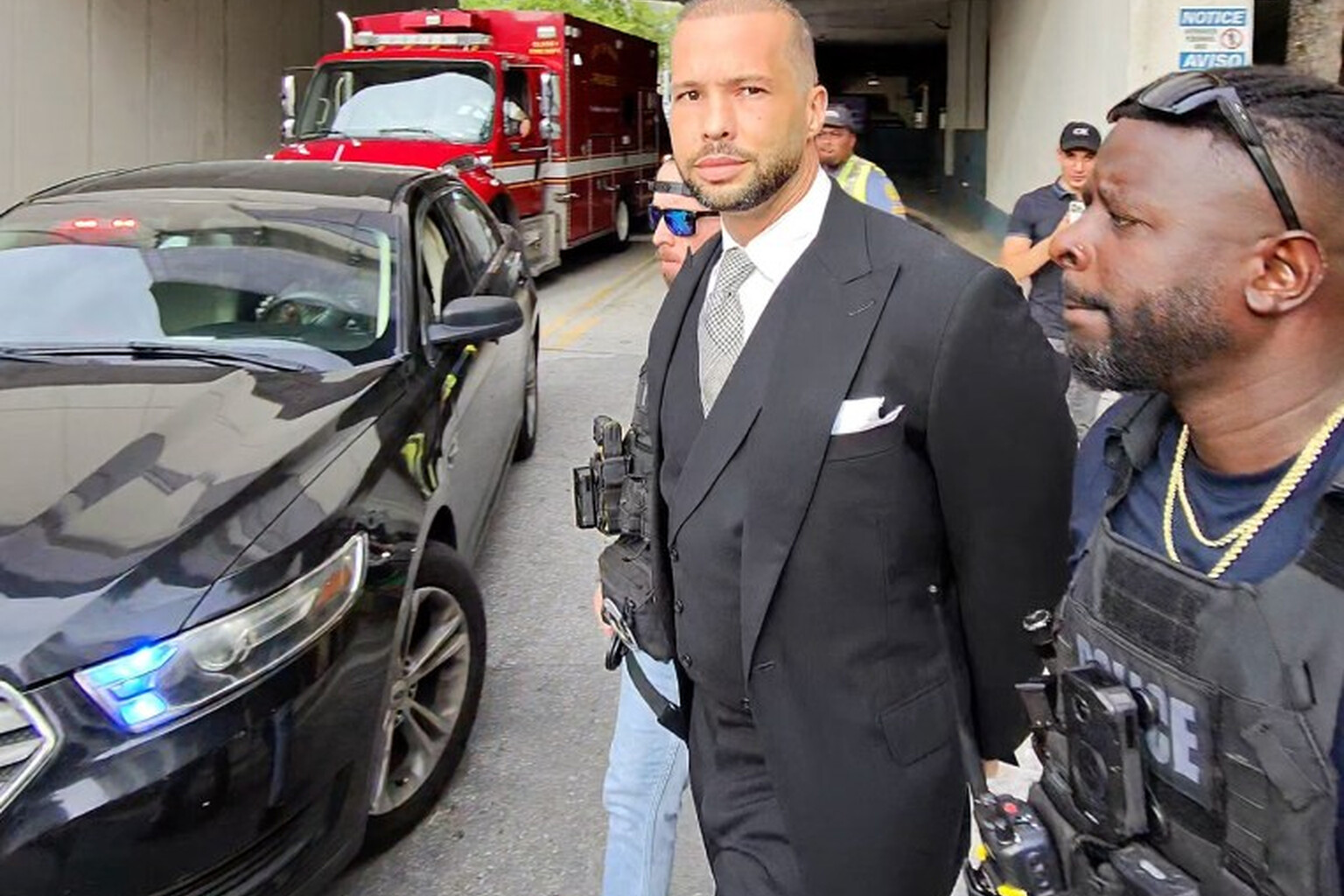
Andrew and Tristan Tate will remain in a Miami jail after a federal judge rejected their bid for release while they battle extradition to the United Kingdom.
US Magistrate Judge Lauren Louis issued her written decision Wednesday, ordering the brothers to stay behind bars for what legal observers say could stretch into months of proceedings. The siblings had pressed for bail, insisting they posed no flight risk and no danger to the public.
Louis flatly disagreed. “I find that Respondents have failed to meet their burden to demonstrate that they do not present a risk of flight or danger to the community, or that special circumstances warrant their release,” she wrote in her ruling.
The brothers, 39 and 38, have built massive online followings through inflammatory “manosphere” content promoting aggressive masculinity and wealth accumulation. Their legal troubles now span three countries, with the UK case representing the most extensive set of charges.
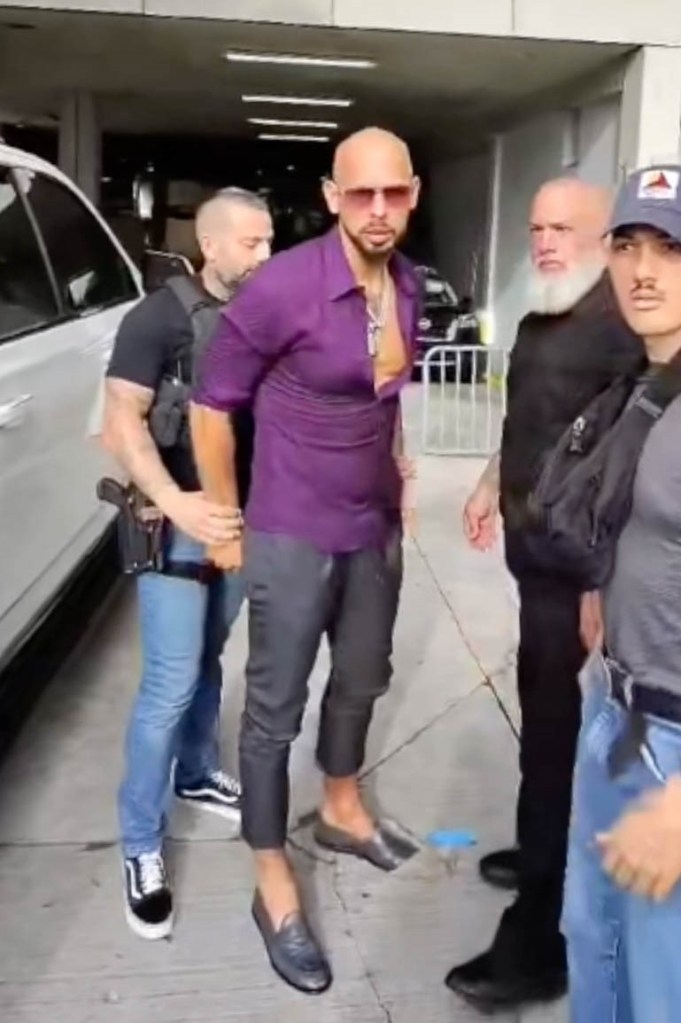
Between them, the Tates face nearly 60 counts in Britain for alleged offenses spanning 2010 to 2017. Andrew, the elder sibling, carries the heavier load: dozens of charges including multiple counts of rape, human trafficking, assault and possessing child porn. Tristan faces 17 UK charges including rape, sexual exploitation and sex assault.
Their Miami arrest came July 18 outside a bare-knuckle boxing event, timed with British prosecutors filing fresh charges and formally requesting extradition. The timing suggests coordinated international law enforcement pressure.
Romanian authorities have pursued their own case against Andrew since 2022, and that investigation keeps expanding. On August 30, Romanian prosecutors hit him with a new indictment alleging sex with a minor, trafficking and money laundering. They announced September 4 that he stands accused of recruiting a 15-year-old girl for sexual exploitation.
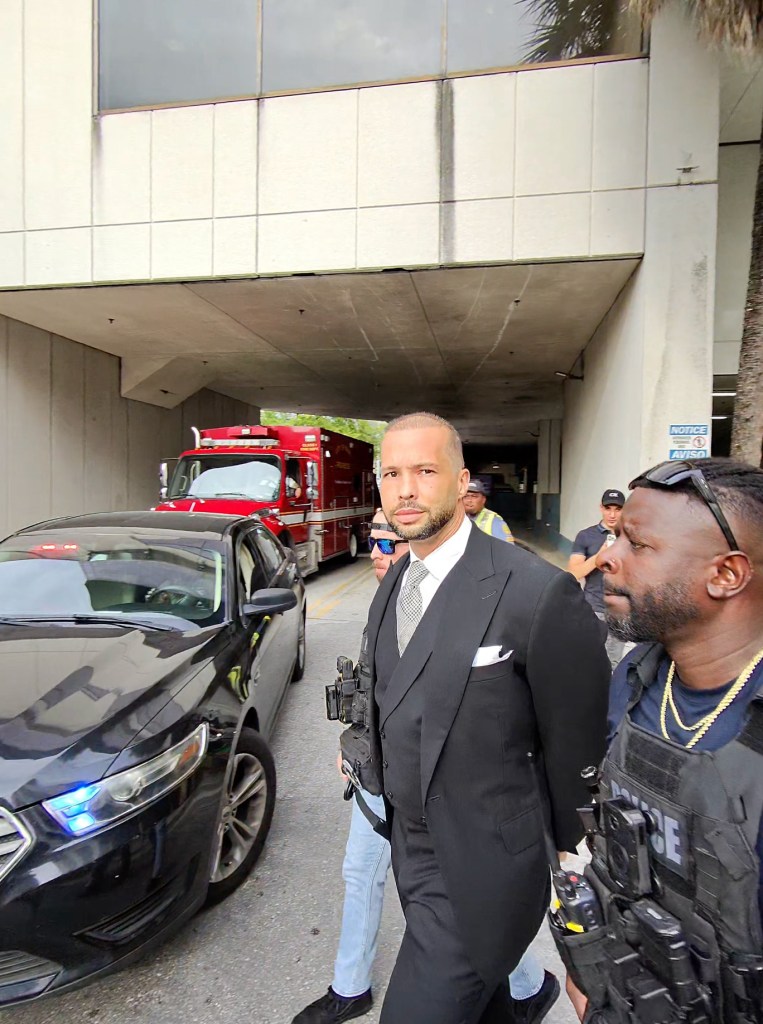
The brothers’ legal team had framed their detention as unnecessary, arguing their high-profile status made flight impractical. Louis’s ruling indicates she found that argument unpersuasive given the severity of the charges and the resources at their disposal.
The extradition fight now enters a potentially prolonged phase. UK authorities must present sufficient evidence to satisfy American legal standards, while the Tates’ attorneys can challenge every procedural step. The process typically involves hearings on dual criminality, whether alleged acts would be crimes in both nations, and on human rights protections.
The case has drawn intense online attention, with supporters flooding social media to protest what they term political persecution. Critics counter that the brothers’ own documented rhetoric about controlling women and accumulating power undermines claims of mistreatment.
The Miami detention adds a third jurisdiction to their legal entanglements, complicating any potential resolution. Even if they defeat UK extradition, the Romanian case continues, and US authorities have not ruled out their own investigation.
The brothers made their court appearance shackled, a standard security measure for extradition defendants that nonetheless reinforced their fallen status from freewheeling influencers to incarcerated suspects.
Their online personas emphasized physical dominance, luxury lifestyles and defiance of conventional morality. Prosecutors in multiple countries now allege that persona extended to criminal exploitation of vulnerable people.