

Andrew Mountbatten-Windsor was taken into custody on his 66th birthday under suspicion of misconduct in public office.
Police officers, investigating Andrew’s ties to convicted sex offender Jeffrey Epstein, detained the high-ranking royal at Wood Farm on the Sandringham estate. He had been residing there after vacating Royal Lodge in Windsor.
This arrest follows the recent removal of Andrew’s titles, including the designation of ‘prince’.
Thames Valley police released a statement saying: “We have today (19/2) arrested a man in his 60s from Norfolk on suspicion of misconduct in public office and are carrying out searches at addresses in Berkshire and Norfolk.”
“The man remains in police custody at this time.”
The arrest relates to misconduct in public office, but what does this entail?
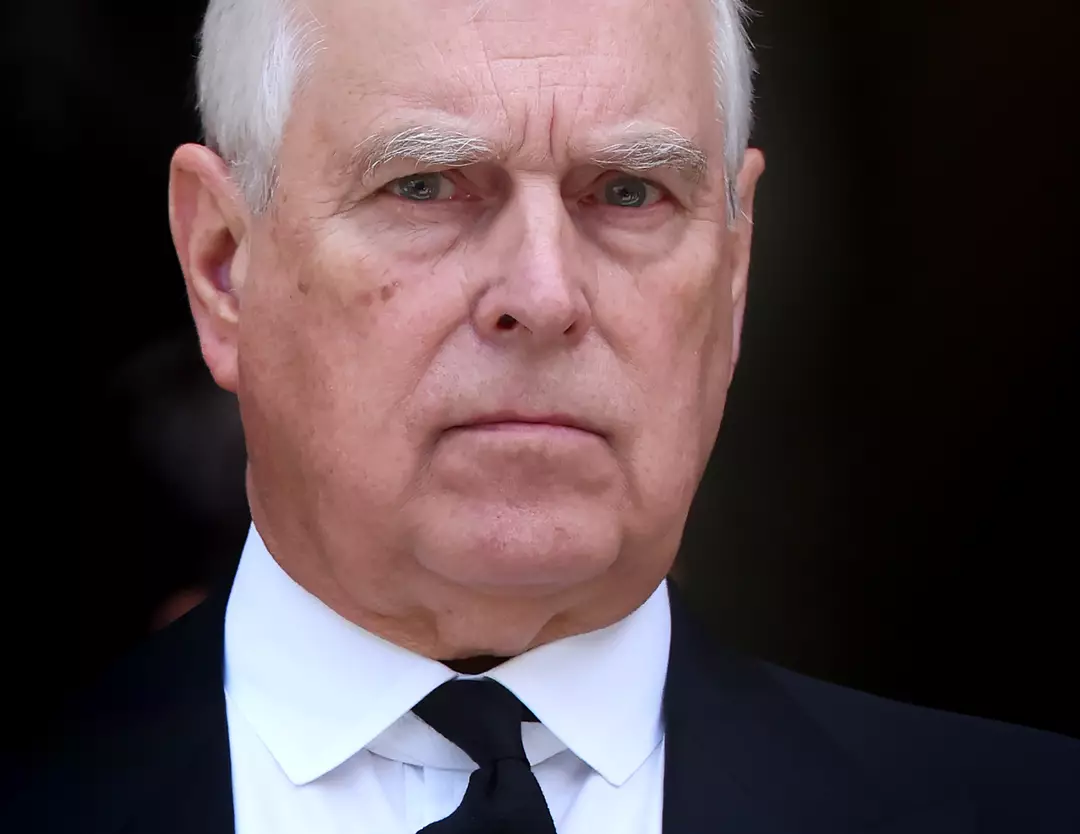
This charge involves an individual in a position of authority for the British state engaging in ‘serious willful abuse or neglect of the power or responsibilities of the public office held’.
The spectrum of this misconduct is broad, covering incompetence, workplace harassment, corruption, or abuse of power.
Lord Justice Leveson has detailed the approach to misconduct in public office on the Crown Prosecution Service website, which oversees public prosecutions in England and Wales, posing three critical questions about the offence.
He stated: “First, what was the position held? Second, what is the nature of the duties undertaken by the employee or officer in that position?”
The third question is more intricate and involves determining if someone is acting as a ‘public officer’ by evaluating whether the public would have a ‘significant interest’ in them failing to perform their duties.
In essence, it concerns anyone who holds a position of responsibility within the British state.
This encompasses numerous roles, including judges, magistrates, coroners, police officers, immigration officers, prison staff (even in private prisons), army officers, civil servants, elected officials, and bishops in the Church of England, as noted by the CPS.
For instance, a prison officer could face charges of misconduct in public office if they engaged in an inappropriate relationship with a prisoner, or a civil servant could be charged for accepting a bribe.
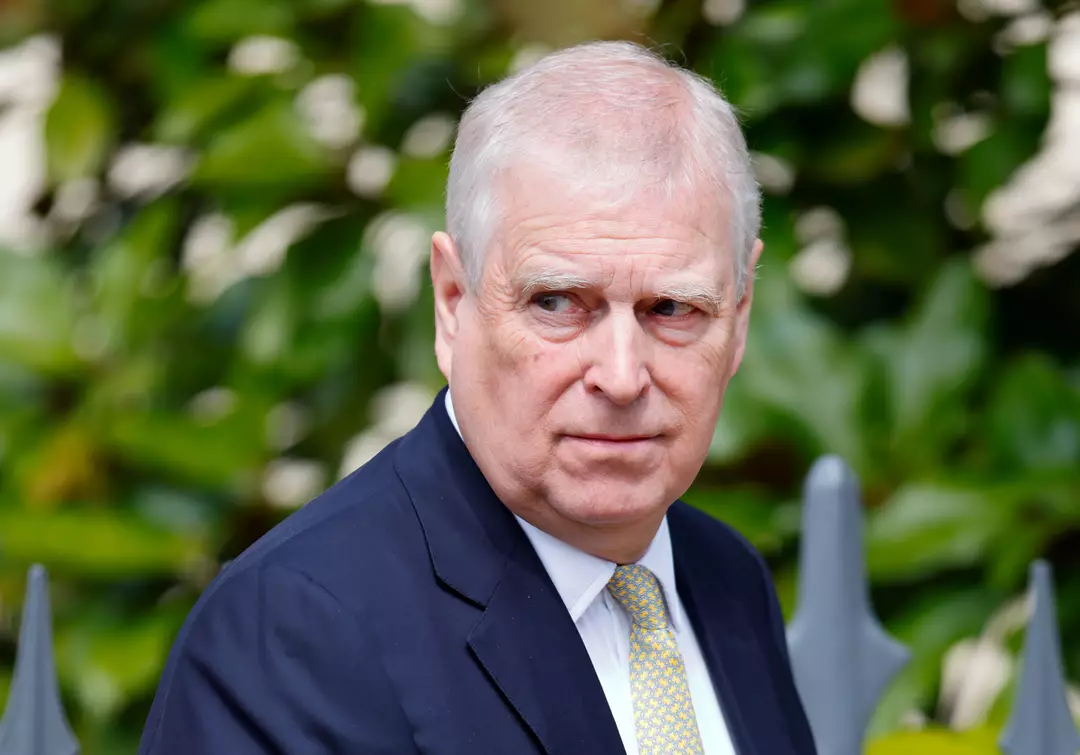
The maximum punishment for misconduct in a public office is life imprisonment, but this is typically reserved for the most egregious cases.
The sentence for this charge can greatly vary, depending largely on the gravity of the misconduct and the seniority of the position held by the defendant.
An individual in a higher-ranking position may receive a harsher penalty due to the potential for greater harm caused by their misconduct.
The specifics of the misconduct charge against Andrew Mountbatten-Windsor remain unclear at this time.
Assistant Chief Constable Oliver Wright remarked: “Following a thorough assessment, we have now opened an investigation into this allegation of misconduct in public office.
“It is important that we protect the integrity and objectivity of our investigation as we work with our partners to investigate this alleged offence.
“We understand the significant public interest in this case and we will provide updates at the appropriate time.”