

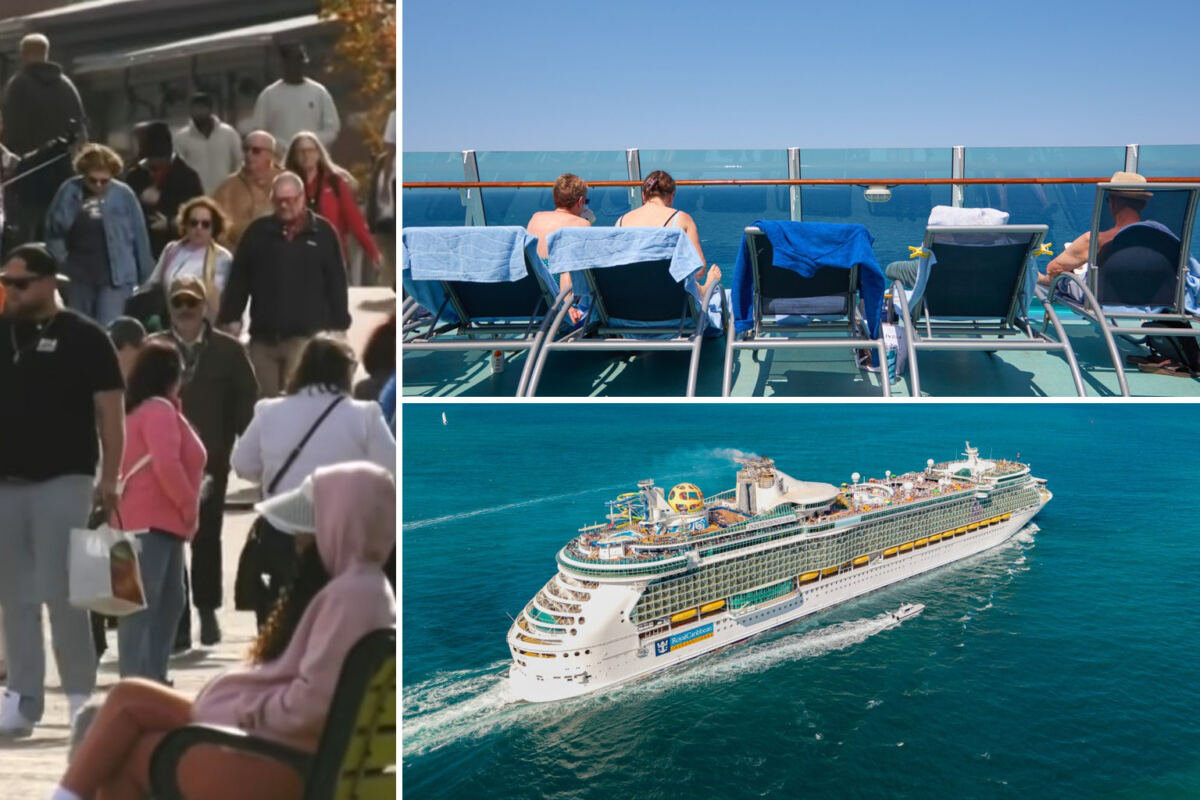
Royal Caribbean has rerouted a second cruise from a tropical destination to Canada this month, leaving passengers scrambling for winter clothes.
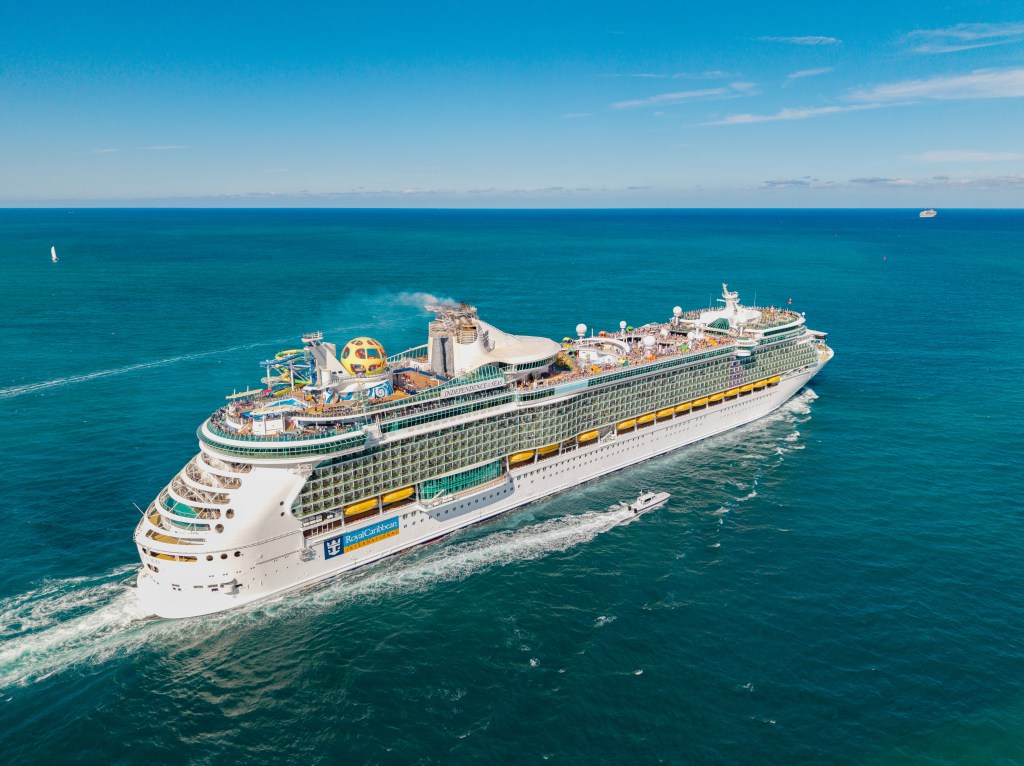
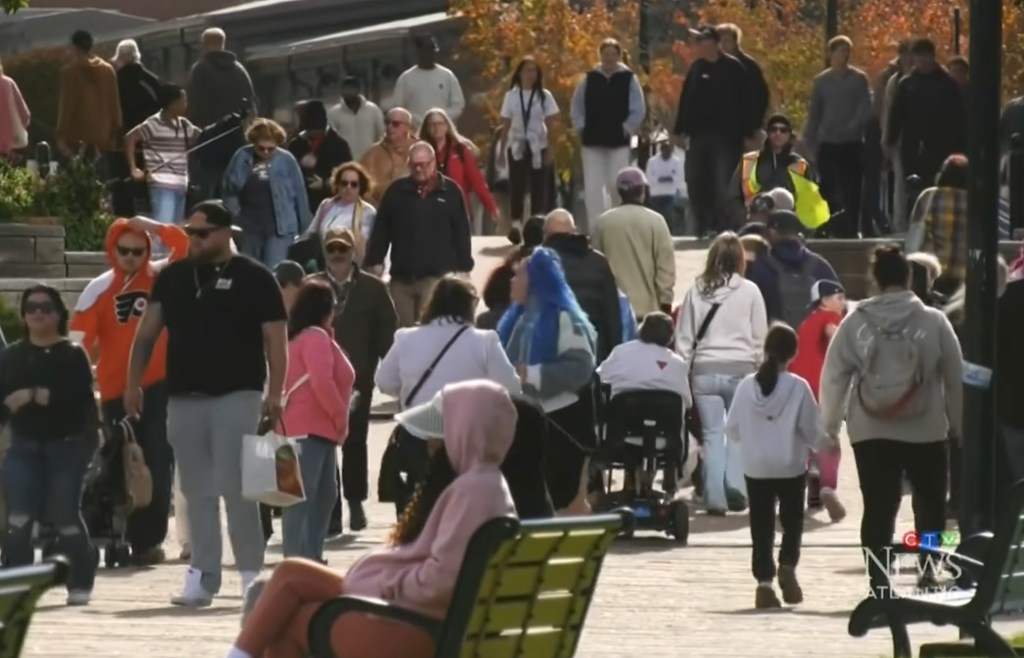
The latest switch hit vacationers expecting a five-night Bermuda getaway on the Independence of the Seas, the 3,858-passenger vessel that was hours from departing New Jersey’s Cape Liberty last Saturday. Instead of balmy island weather, they learned they were headed to Saint John, New Brunswick, where temperatures hovered in the mid-50s.
“Make sure you pack some light sweaters and clothing for cooler temps, the current forecast is in the mid-50s during the day in port,” Royal Caribbean wrote to passengers in a last-minute email obtained by the Royal Caribbean Blog.
That voyage came just one week after more than 5,000 passengers expecting a Bahamas vacation found themselves bound for Halifax, Nova Scotia, on October 18. Actress Mikayla Iverson, among those caught off guard, posted an Instagram video that drew 1.5 million views.
“Just got told after landing in Newark that our family Bahamas cruise leaving in literally 12 hours, we will now be going to Nova Scotia?!? And that we will not be allowed to leave the ship all week. @royalcaribbean, we don’t have the clothes for this,” she wrote.
For both disrupted trips, the cruise line offered onboard credits from $100 to $600 per person based on stateroom category, according to the Royal Caribbean Blog. Those on the Bahamas sailing also received 50% off a future cruise.
“We truly appreciate your understanding and flexibility regarding this unexpected change,” the company’s letter stated.
Veteran cruise journalist David Yeskel told The Post that such reroutes are firmly within cruise lines’ rights. “Cruise lines basically have broad authority to alter itineraries if due to several factors, but primarily due to weather…or other circumstances that put the ship in a safety issue or something like that,” he said.
Yeskel noted that passengers agree to this flexibility in lengthy contracts they rarely read. “So there’s a cruise line contract that every guest signs – but nobody reads, because it’s very long – when they’re buying their ticket, whereby they agree to this clause as well as other clauses,” he explained. The clause, he added, is “standard across the industry.”
In “extreme examples” like these Royal Caribbean reroutes, customers often have little choice but to accept what the company offers, Yeskel said. “I think it was fair under the circumstances,” he concluded about the compensation.
Houston-based maritime attorney Frank Spagnoletti sharply disagreed, accusing Royal Caribbean of treating passengers “like maritime property” rather than paying guests. “Discourteous disregard of their passengers,” he called it.
Spagnoletti urged affected travelers to consider collective legal action despite contract language. “Even though [cruise companies] put that kind of language in [contracts], when they try to enforce it like that – not really giving you a choice – you can challenge it,” he said.
He pointed to the numbers that could make litigation viable. “You know, there are 4,000 people on that vessel. So if you aggregate a thousand of them or 500 of them, then it makes it economically viable to try to correct the problem by bringing in the law,” he continued.
The Independence of the Seas reroute and the earlier Bahamas-to-Nova Scotia switch both stemmed from severe weather off the East Coast. Several other Royal Caribbean departures from the New York metro area faced delays and itinerary changes during a powerful nor’easter last month.
Royal Caribbean has not publicly commented beyond its passenger communications.