

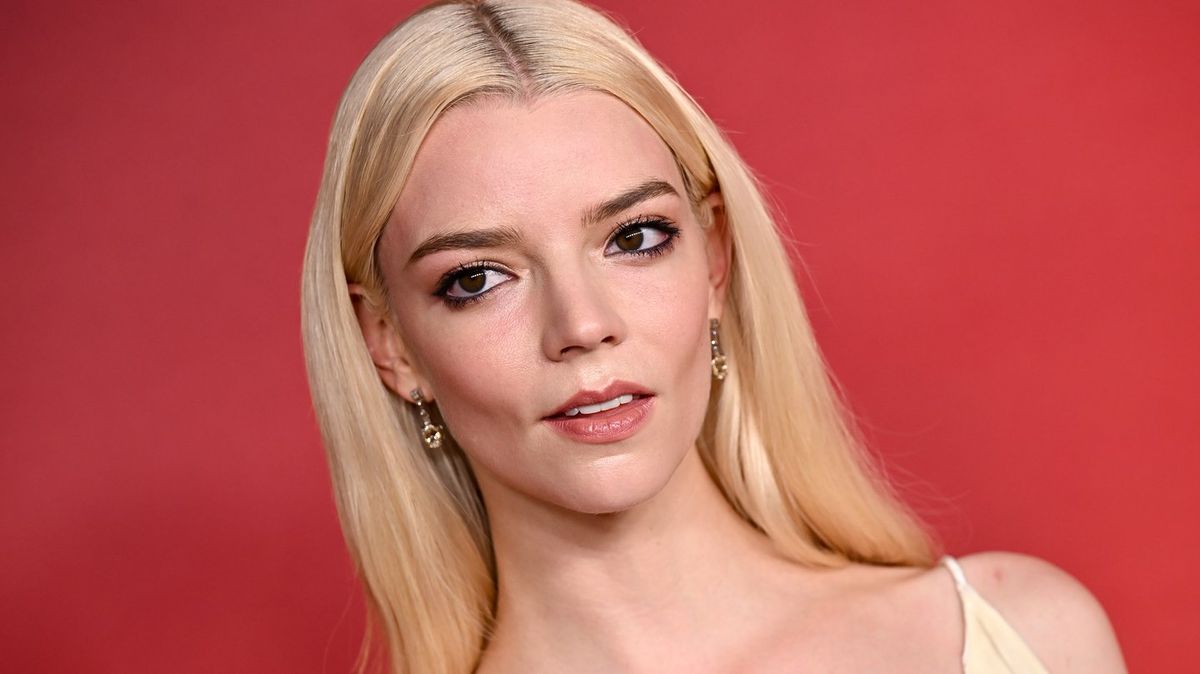
Anya Taylor-Joy says the best piece of direction she has received came from filmmaker M. Night Shyamalan.
Now regarded as one of Hollywood’s most sought-after performers, Taylor-Joy has built a career packed with acclaimed screen roles. But in 2016, she was still at a much earlier stage of that rise.
Her breakout into mainstream recognition came later with her performance as Beth Harmon in Netflix’s The Queen’s Gambit, a role that firmly established her as a leading talent. The 2020 miniseries became the most-watched limited series in Netflix history, winning her a Golden Globe Award, a SAG Award, and earning her a Primetime Emmy nomination.
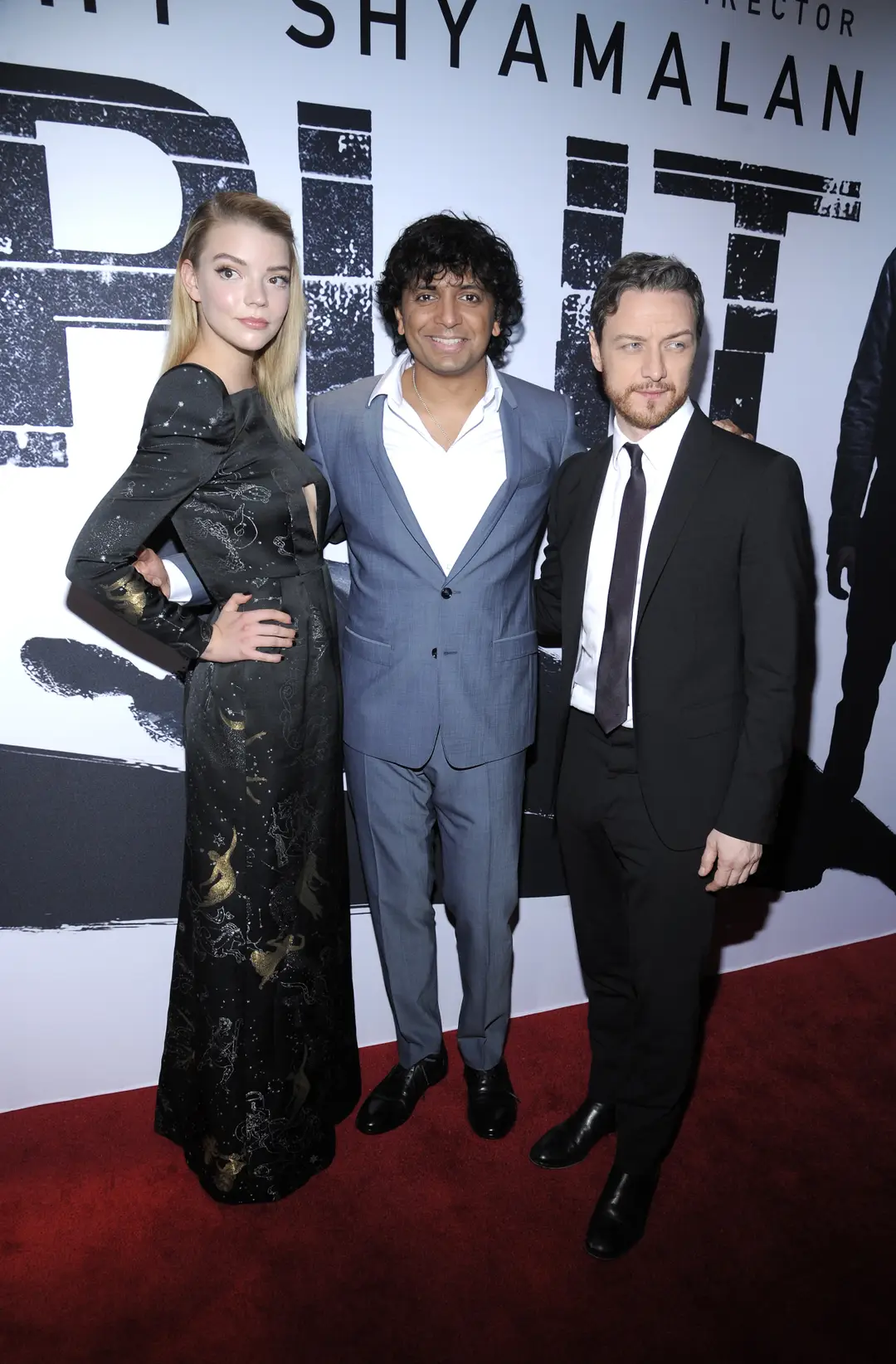
Before that success, she appeared as Casey Cooke in Shyamalan’s thriller Split, sharing the screen with James McAvoy, Haley Lu Richardson and Bruce Willis. Released in January 2017, the film was both a critical and commercial success, earning over $278 million worldwide on a modest $9 million budget and marking a significant comeback for Shyamalan, who had faced years of critical and commercial disappointments following the failures of films like The Last Airbender and After Earth.
During a recent conversation with The Wall Street Journal, Taylor-Joy reflected on the single most valuable note she has ever been given by a director, and said it came while working on Split.
“It would probably be M. Night Shyamalan,” she replied. “On Split, I remember him saying to me, ‘Anya, don’t cry your own tears. Cry the character’s tears.’ Because he had seen me cry before, so he knew what was mine.
“It completely opened a whole other universe for me in terms of character work.”
She explained that the advice shifted the way she approaches performance, allowing her to dig deeper into the inner life of the people she portrays rather than leaning too heavily on personal memories.
“If I was consistently tapping into events of my own life, I feel like that well would run dry at some point, or start to feel stale or unspecific.
“If I empathize enough with the person that I’m playing, they walk differently, they talk differently, they cry differently, they sleep differently, they wake up differently, and that’s just so much more rewarding for me.”
The impact of Shyamalan’s direction extended beyond their first collaboration. When Taylor-Joy returned to reprise her role as Casey Cooke in Shyamalan’s 2019 sequel Glass, the director mentored her not just as an actor but as an aspiring filmmaker. She has expressed interest in directing someday, and on the set of Glass, Shyamalan gave her behind-the-scenes lessons in filmmaking when she wasn’t in front of the camera.
Her remarks about Shyamalan came shortly after she also discussed her views on method acting, the immersive technique associated with stars such as Robert De Niro, Christian Bale and Daniel Day-Lewis.
Speaking to Complex, Taylor-Joy described why she believes many women in the industry are less likely to take that route.
“If you’ll notice, women don’t method act because we have things to take care of, so we can’t completely lose our minds,” the Furiosa: A Mad Max Saga favorite said.
“I see acting as a controlled psychosis in a way. You’re pretending to be somebody else and having their thoughts 16 hours a day and moving like them, in their house, in their clothes,” Taylor-Joy continued.
“It’s like having a sister or a roommate check in up [in my mind] for a little bit.”
She added that she cannot picture herself maintaining that intensity nonstop, especially because filmmaking is such a collaborative process and she feels a responsibility to treat the people around her well.
The actor also pointed out that when someone becomes overly consumed by playing a villain, it can make the atmosphere on set difficult for everyone else involved.
Taylor-Joy’s perspective on acting comes from an established track record of fully embodying her characters while maintaining professional boundaries. Her approach has earned her recognition across her diverse filmography, ranging from period pieces like Emma and The Northman to action films like Furiosa: A Mad Max Saga. She has also been noted for advocating on set for her characters to express fuller emotional ranges, pushing back against scripts that rely solely on crying scenes when a character’s rage or anger would be more authentic.