

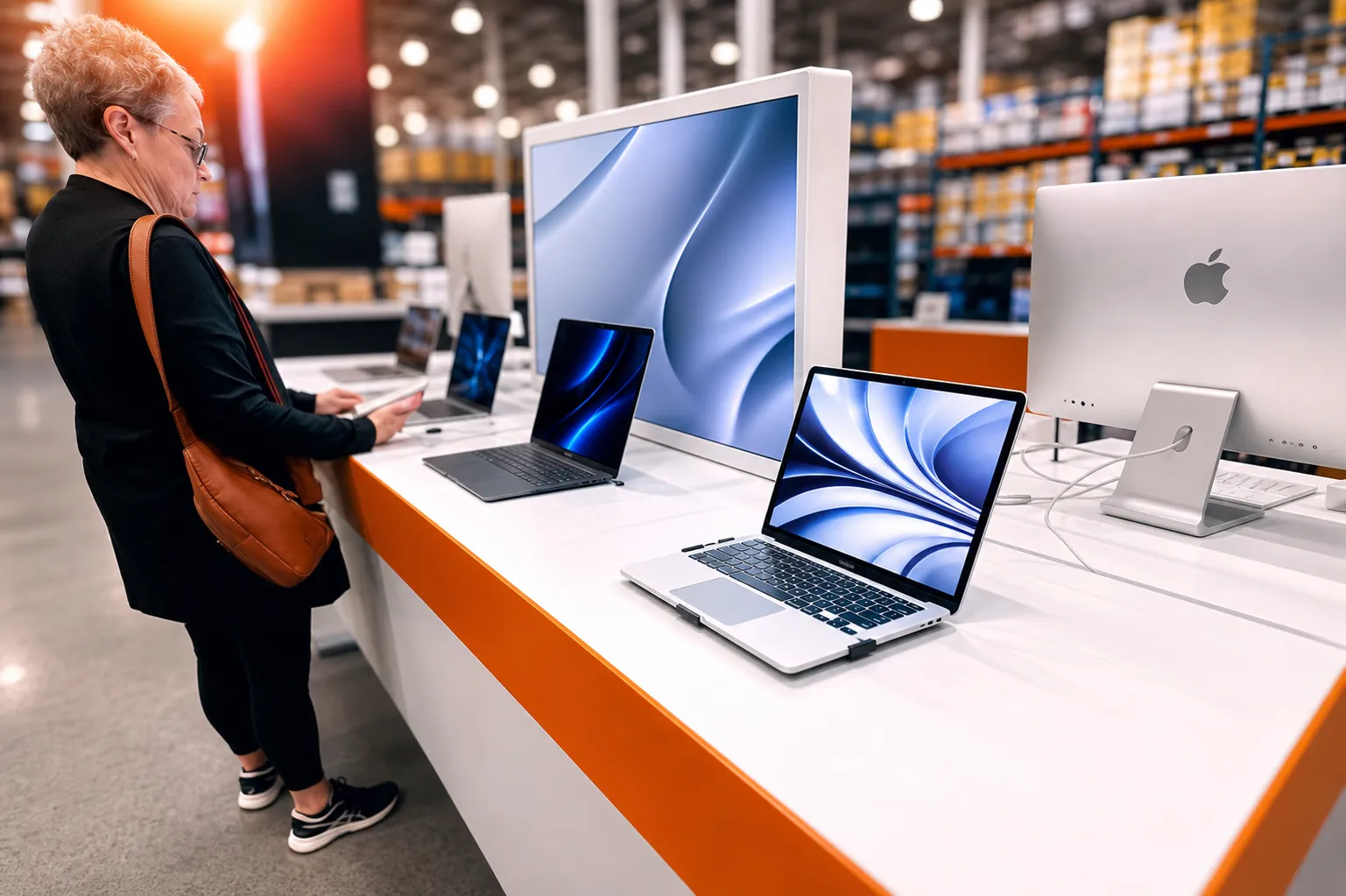
Apple on Thursday raised prices on several Mac and iPad models, saying it could no longer absorb surging memory and storage chip costs tied to the artificial intelligence boom.
The Cupertino, California, company described the situation as an “unprecedented challenge” for consumer electronics makers. In a written statement, Apple said, “The rapid expansion of AI data centers has created an extraordinary surge in demand for memory and storage. We have never seen a component price increase this much, this quickly.”
Among the changes, the entry-level MacBook Neo will increase to $699 from $599. The 512-gigabyte MacBook Air will now sell for $1,299 instead of $1,099, while the 1-terabyte MacBook Pro will rise to $1,999 from $1,699.
Prices are also going up on iPads. The 128-gigabyte iPad Air will now cost $749, compared with $599 before, and the 256-gigabyte iPad Pro with Wi-Fi will increase to $1,199 from $999.
Apple said it had so far absorbed higher component costs rather than passing them on to buyers, but that it could no longer continue doing so. “We have now reached a point where we need to begin raising prices on a number of products, including today’s increases for iPad and Mac. We know this is not welcome news, and we are working tirelessly to find solutions,” the company said.
The company also raised prices on both versions of its HomePod smart speaker and on the Apple TV set-top box. The latest changes come after months of warnings from Apple executives that memory and storage costs were becoming increasingly difficult to manage.
Industry analysts expect the pressure to continue. Nabila Popal, a senior research director at IDC, said the latest increases were steeper than she had anticipated and suggested that iPhone price hikes could follow later this year. She said the iPhone Pro and Pro Max models could rise by as much as $200. “I think the days of $50 price increases are over,” she said.
Apple shares fell nearly 5% in Thursday afternoon trading as investors weighed the impact of higher prices on consumer demand.