

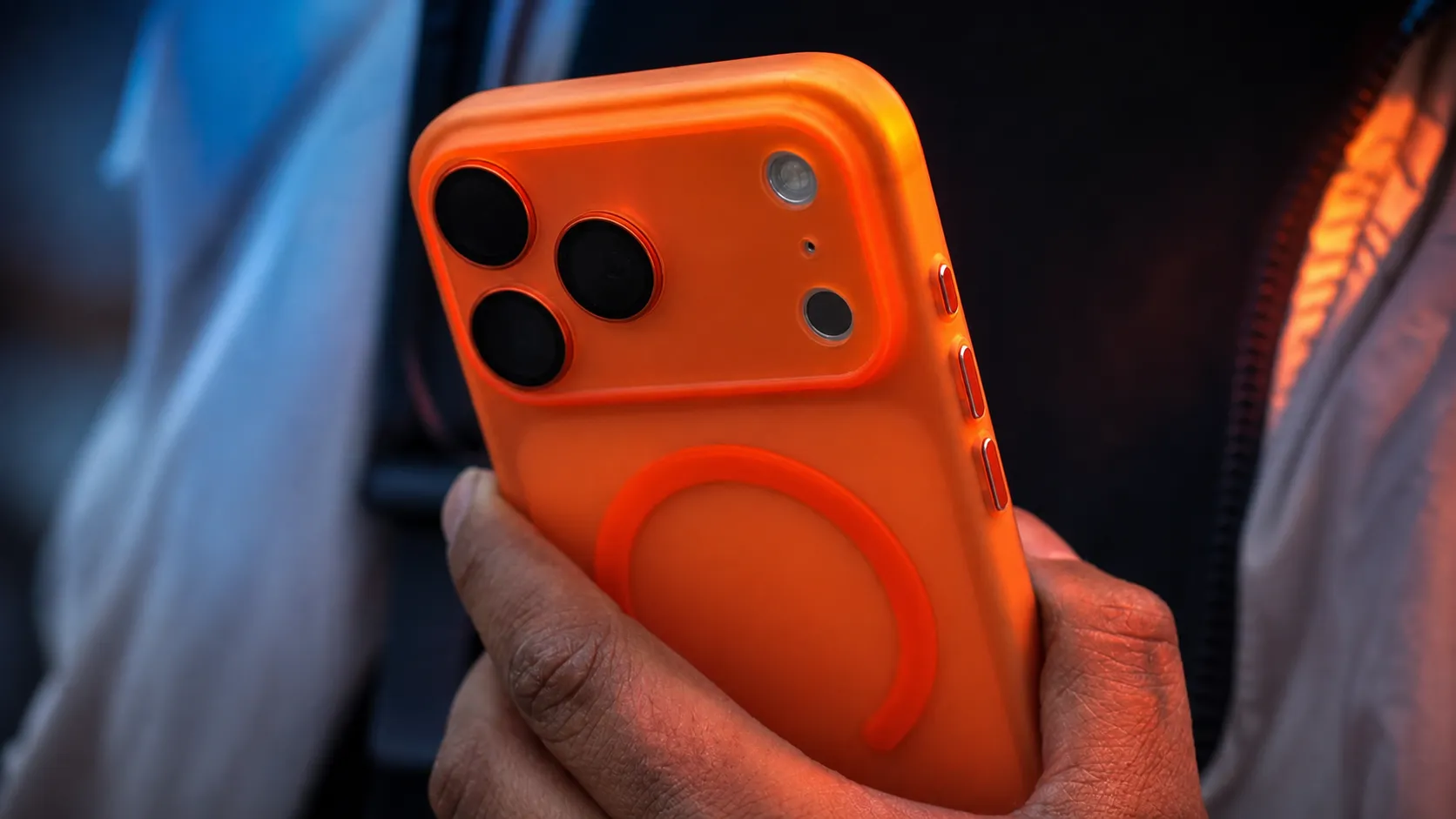
Apple has enabled a default anti-theft feature on iPhones around the world that can make stolen handsets virtually impossible to resell, in a move aimed at undercutting the international market for stolen devices.
The illicit trade in smartphones is widely thought to generate huge sums every year, with organised gangs targeting premium handsets that can be shipped abroad, stripped for parts or sold on through illicit channels.
The company turned on its stolen device protection setting by default after pressure from a campaign backed by Metropolitan Police Commissioner Sir Mark Rowley.
“Your business model is being dismantled piece by piece.”
That decision makes Apple the first major technology firm to alter its global security settings in direct response to the surge in phone thefts in the UK.
London, in particular, has gained a reputation as one of Europe’s worst hotspots for mobile phone snatching, with police and recent reporting indicating that roughly 200 to 300 devices have been stolen on some days.
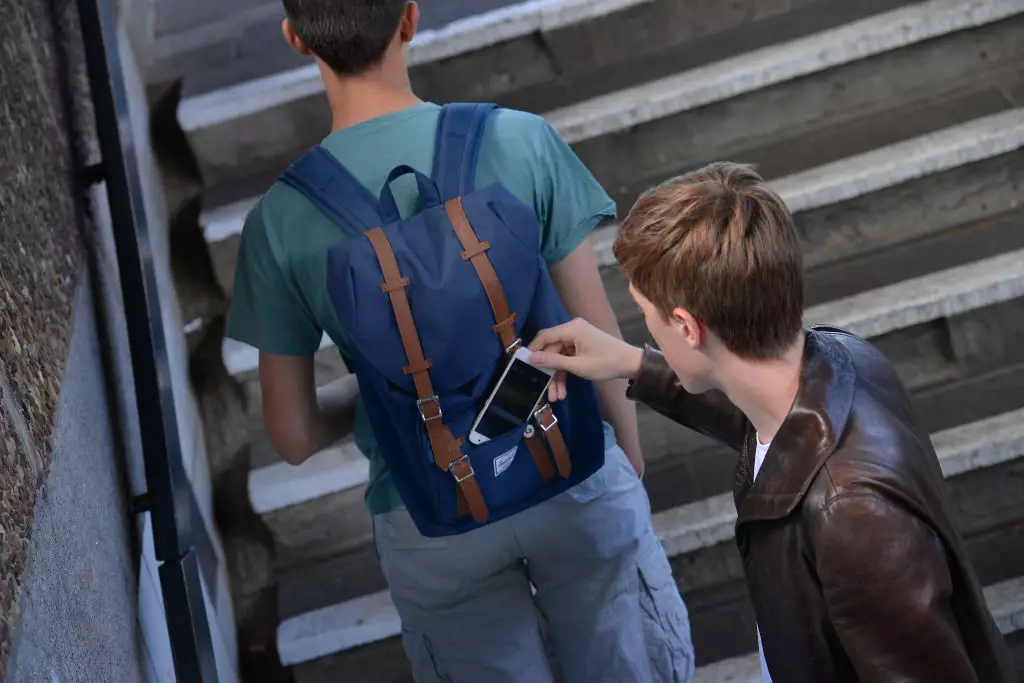
If an owner marks their iPhone as missing after it has been stolen by signing in to iCloud.com/find from another device, the phone is effectively disabled.
Apple’s Find My system automatically enables Activation Lock, which means the original owner’s Apple Account password is required before anyone can erase, reactivate or use the handset again. In practice, that makes a stolen iPhone far harder to reuse or resell.
Criminals are then unable to reset passwords or reconnect the handset to a network, removing much of its value on the resale market.
Put simply, a stolen iPhone can be turned into something that is no longer worth buying.
Apple’s wider anti-theft protections also include Lost Mode, which locks the screen, can display a contact message for recovery and keeps the device tied to its owner even after a remote erase. Apple advises victims not to remove a stolen iPhone from Find My until it has been recovered or any insurance claim is fully approved, because doing so removes Activation Lock and makes the device easier to sell on.
As part of a major new arrangement, Apple and the Metropolitan Police are also exchanging information on stolen phones, helping investigators monitor devices and determine whether they surface again.
Since that collaboration began, Apple has seen a marked fall in the number of stolen phones that are successfully reactivated.

Sir Mark said the joint effort has the potential to wipe out the offence altogether.
“We can strike at the heart of this crime by destroying the business model that sustains it. Now the rest of the industry and government must act to finish the job.”
Samsung and Google are now introducing security updates of their own in response to the same pressure.
Google announced a suite of Android theft-protection tools in 2024, including Theft Detection Lock, which uses on-device intelligence to lock a phone if it appears to have been snatched, along with Offline Device Lock and Remote Lock. Samsung has also said newer Galaxy devices running One UI 7 build on those protections with extra identity-checking safeguards.
The scale of the theft problem has been enormous. Metropolitan Police figures released through freedom of information requests show 115,261 mobile phones were reported stolen across London in 2023 and 117,211 in 2024, underlining how large the market has become.
Investigators also found Snapchat advertisements promising children up to £380 for stealing a single iPhone, plus a £100 bonus for taking ten.
Last month, three men linked to a large phone-smuggling ring admitted their roles in an operation worth £180 million.
Amir Muhammad Khadikhel, 35, Ismat Miakhel, 33, and Mansoor Mohammed, 30, pleaded guilty to smuggling 62,000 stolen phones.
At one stage, the group was believed to be behind almost half of all phone thefts in London, with devices moving through storage sites in suburban Britain before being shipped to Dubai, Hong Kong and China.
The Met has also reported a major reduction in phone robberies in Westminster this year after carrying out hundreds of arrests. In one intensified London-wide crackdown, Operation Reckoning, which ran from 19 January to 16 February 2025, resulted in 248 arrests as officers targeted mobile phone theft linked to powered two-wheelers.

Phone theft is also a serious issue in the United States, where more than a million smartphones are estimated to be stolen each year.
The crime is fuelled by the strong black-market demand for devices and the vast amount of personal information stored on them, with snatch-and-grab incidents especially common in crowded cities and busy transport hubs.
Cases are most heavily concentrated in major urban areas.
Cities such as New York, where mobile phones have historically been linked to a large share of street robberies, and Washington, D.C. Have recorded persistent problems with the crime, prompting police and technology companies alike to put greater emphasis on device-level protections that make stolen handsets less useful.