

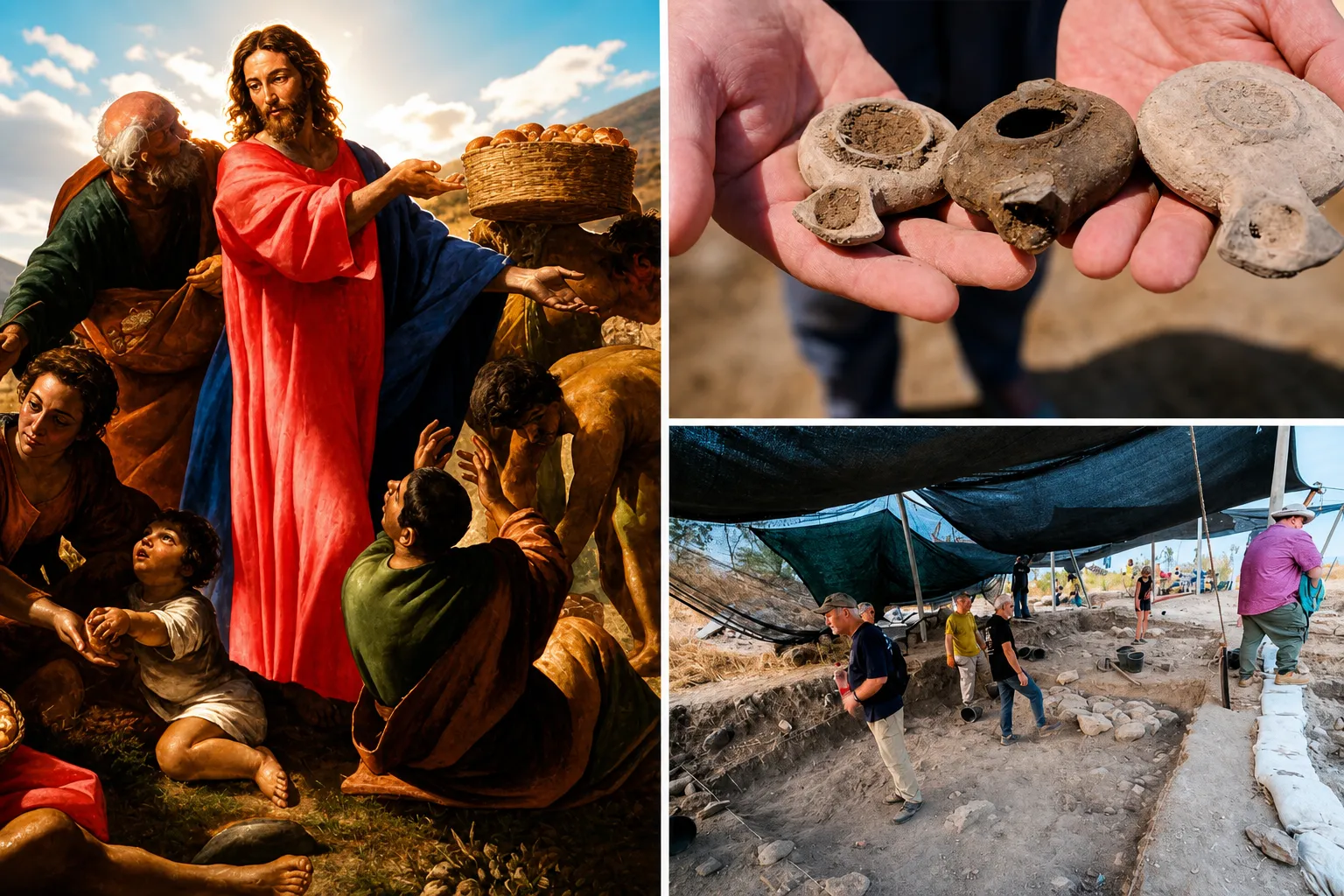
A team of archaeologists now says they are “absolutely” confident they have located the lost biblical city of Bethsaida after a decade of excavation in northern Israel.
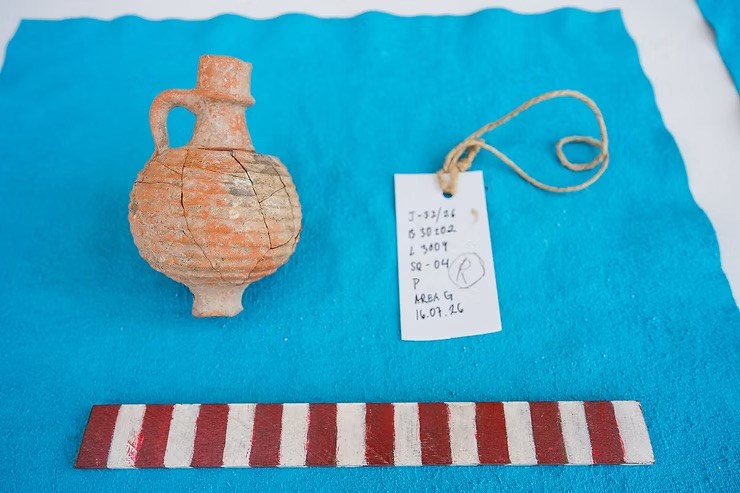
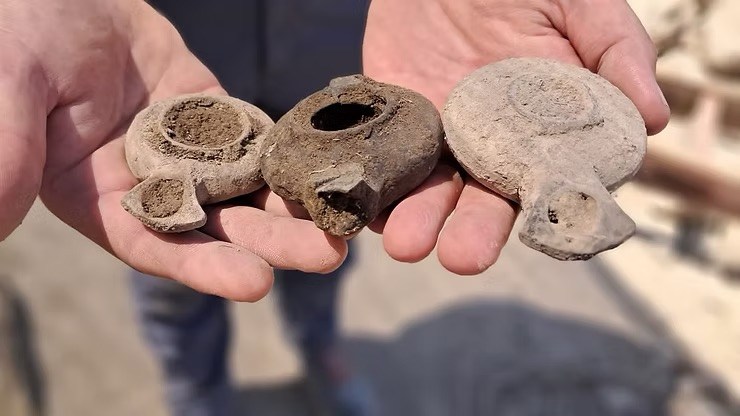
Dr. Steven Notley, the academic director of the Bethsaida-Julias excavation, has spent the past ten years digging through the ruins at el-Araj on the shores of the Sea of Galilee. The team’s 10th season this summer yielded what they consider decisive evidence: chalk stoneware, several intact Herodian lamps, Roman-period walls, coins, a basalt grinding stone, and a half Doric capital that likely adorned a public building.
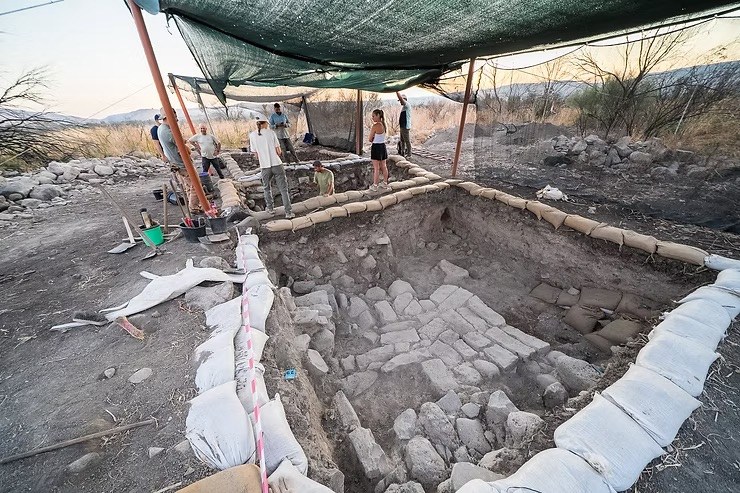
“What we try to take into account is the accumulation of collected evidence from all the squares that paints a portrait of the historical profile of the ancient site,” Notley wrote in a blog post earlier this month. “That picture is becoming clearer with each season.”
The Herodian lamps carry particular significance. According to the team’s blog, these vessels were manufactured only in Jerusalem before 70 CE, serving as definitive markers that Jewish residents occupied the city during the first century. That period coincides with the transition from Bethsaida to Julias, a Roman-period polis.
Notley’s team also documented how an Ottoman-period Syrian landowner constructed stables atop earlier Roman structures without laying any foundation. The ancient walls beneath survived intact despite this precarious building practice.
The findings extend beyond the Roman era. Hints of an earlier Hellenistic settlement emerged from below the Roman layers, while artifacts from multiple ancient periods surfaced across the sprawling dig area.
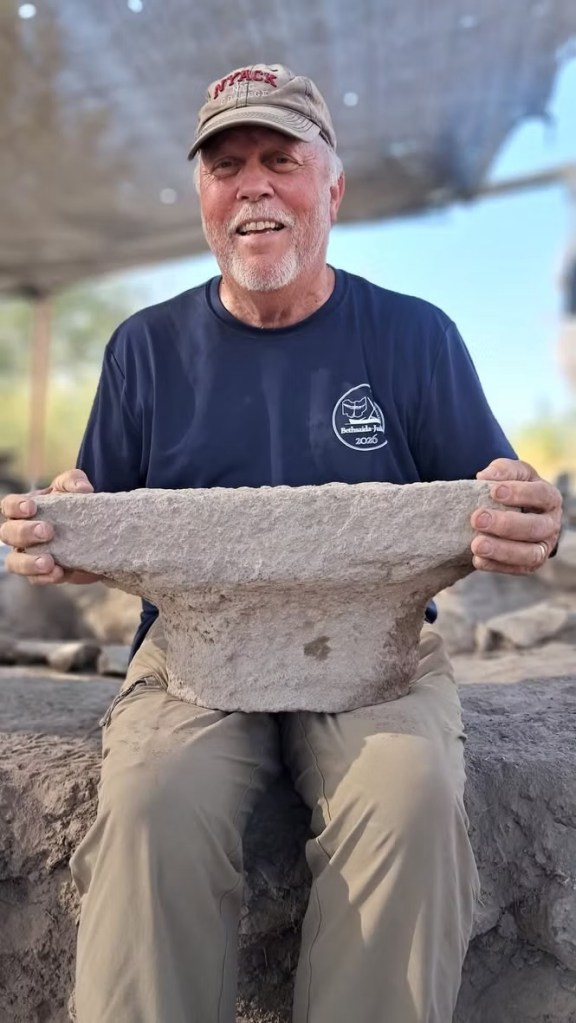
The summer’s discoveries build on claims Notley has advanced for years regarding the site’s identity. “Everything we bring out of the ground affirms and strengthens that identification,” he said. “Nothing that we have found would challenge it at all.”
He has taken to calling the location “the last lost city of the Gospels.”
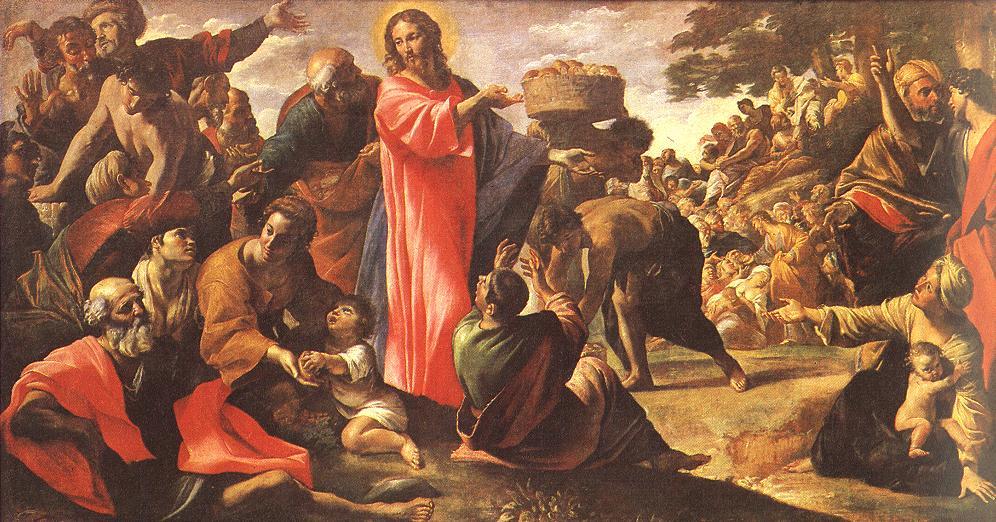
The biblical associations run deep. According to scripture, Jesus restored a blind man’s sight at Bethsaida and performed the miracle of feeding thousands with five loaves and two fish. The apostles Peter, Andrew and Philip are also believed to have originated from the city.
Notley himself drew a direct connection to the New Testament narrative. “I have no difficulty seeing Jesus spending considerable time there,” he said.

The team’s work since 2016 has previously uncovered mosaic masterpieces, churches, and house walls at el-Araj. This season’s expanded understanding of the Roman-period settlement, spanning the first through third centuries, adds fresh dimension to their portrait of the ancient community.
The accumulating evidence has also begun to reshape scholarly assumptions about the region. The trove of lamps, makeup tools, coins, and architectural fragments suggests the towns Jesus visited were thriving rather than impoverished, even under Roman occupation — challenging long-held notions of Galileans as poor, illiterate peasants.
The Bethsaida-Julias excavation team plans to continue its work at el-Araj.