

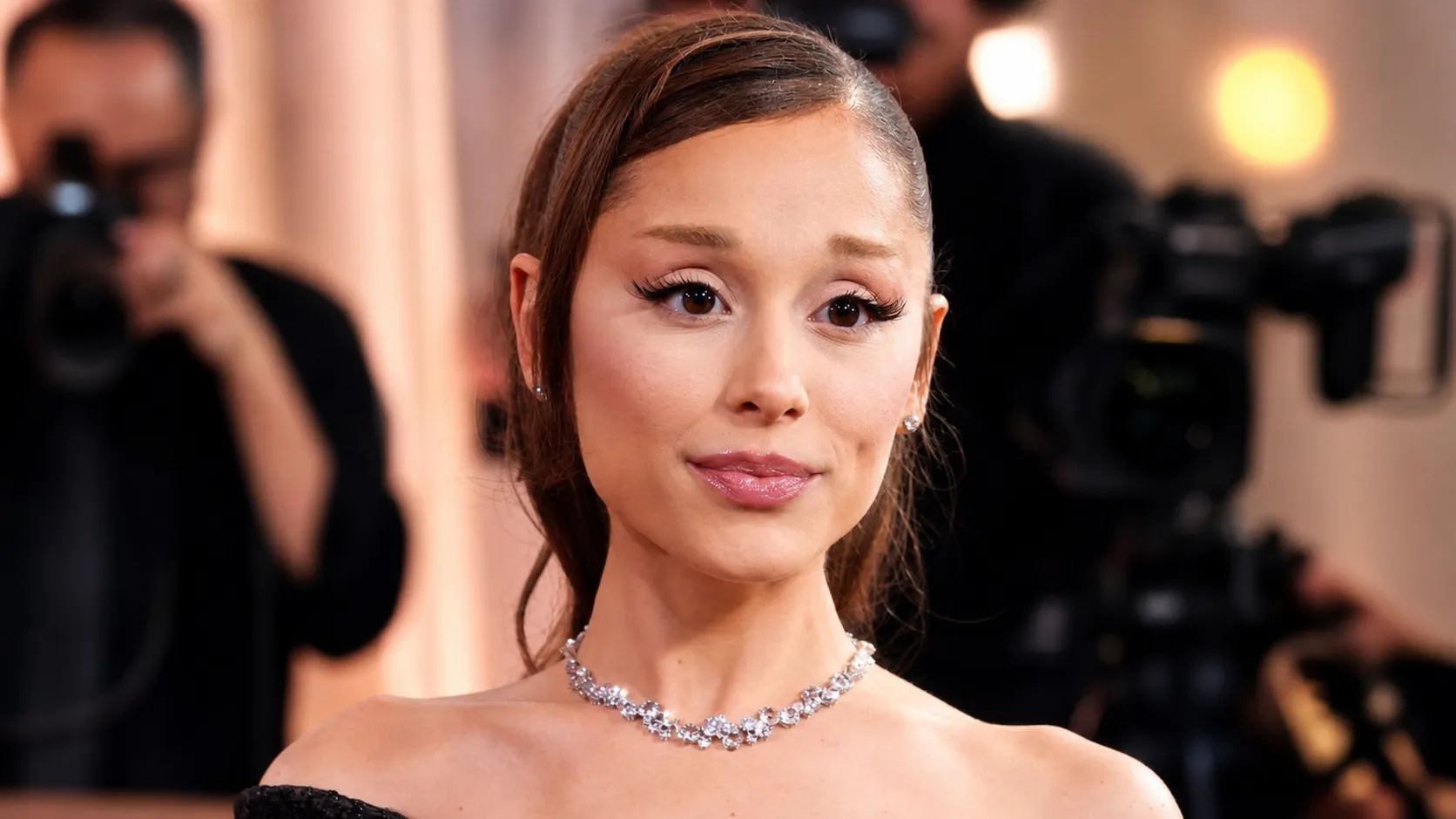
Ariana Grande has joined the growing list of high-profile figures criticising the White House after one of its ICE-related videos used her music without permission.
On Tuesday, June 9, the White House uploaded a TikTok clip highlighting its immigration enforcement efforts. The footage showed Immigration and Customs Enforcement officers carrying out arrests and detentions, accompanied by Grande’s song ‘Bye.’
In the caption, the White House referenced the track while praising President Trump’s border policy.
“Bye-bye 👋 President Trump has delivered the most secure border in history,”
Grande responded two days later in the comments, making clear she did not want her music tied to the post or its message.
“Please do not ever use my music in relation to this barbaric, inhumane, heinous nonsense. Fck ice.”
The audio has since been removed from the video, although the post itself is still live. The exchange quickly spread across social media, adding Grande to a widening list of artists who have pushed back after their songs were used in official immigration-enforcement content.
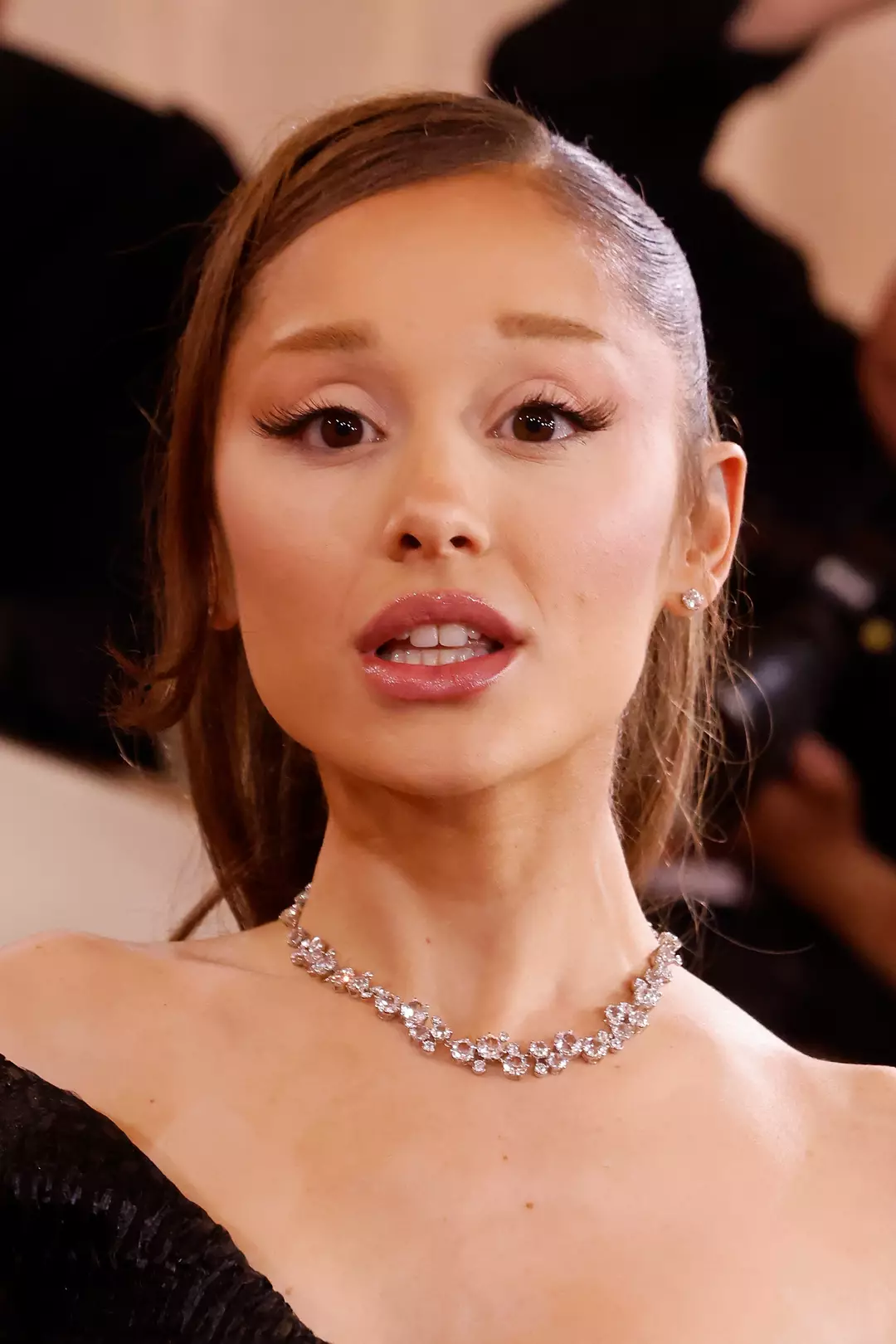
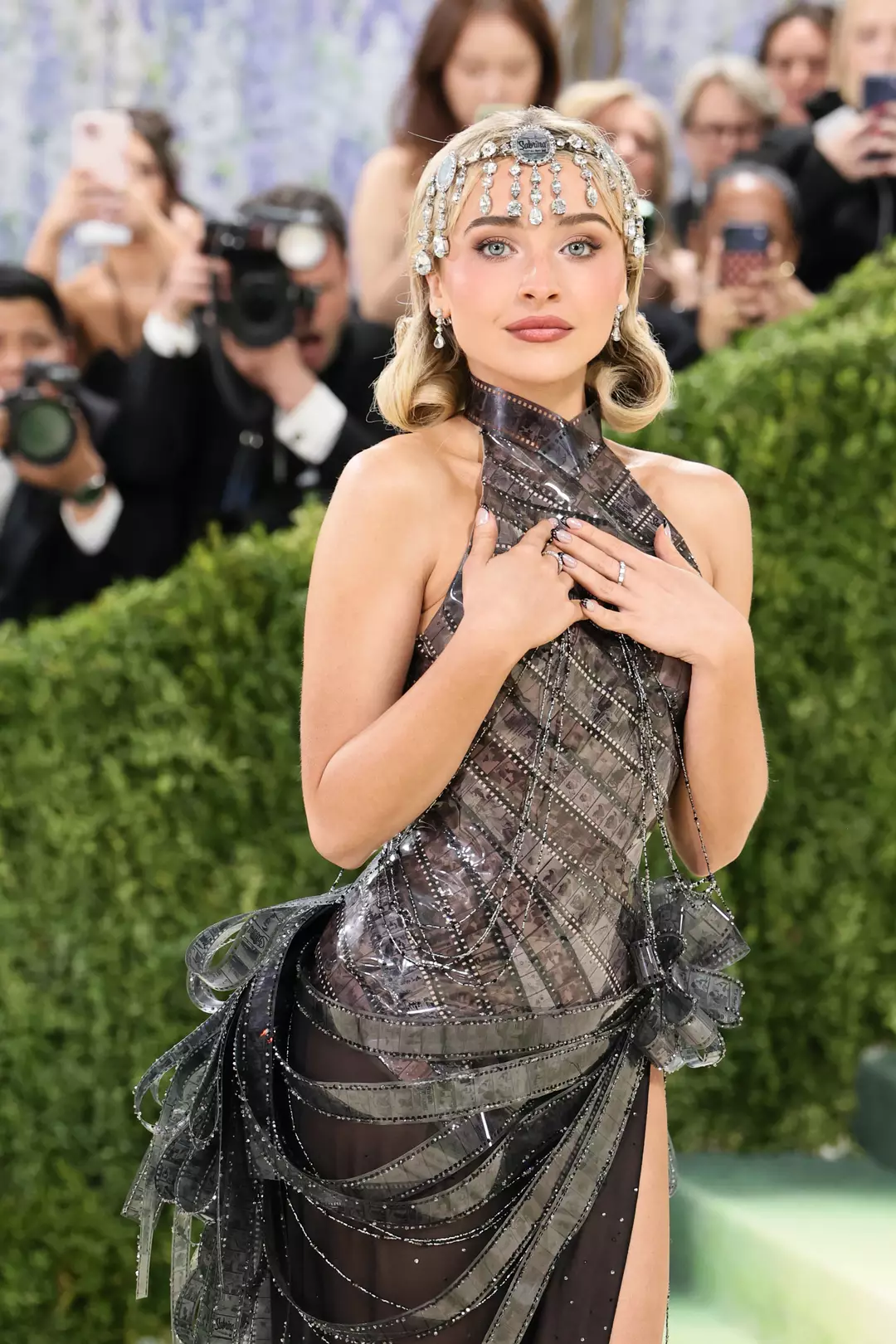
Her response follows similar objections from other musicians whose songs have appeared in White House or immigration-related government posts without approval. Among those to speak out previously are Sabrina Carpenter, Kenny Loggins and Olivia Rodrigo, while other acts have also publicly objected to their music or imagery being folded into pro-ICE messaging.
In December 2025, Carpenter criticised the use of her song ‘Juno’ in a post promoting ICE arrests. Reports at the time said the video showed enforcement activity in Chicago and used a lyric from the song as part of the caption.
“Have you ever tried this one? Bye-bye,”
https://twitter.com/WhiteHouse/status/1995599952786096550
Carpenter publicly denounced the post and said she did not want her music used to support that message.
“Do not ever involve me or my music to benefit your inhumane agenda,”
Coverage later indicated the White House removed that Carpenter video after the backlash, although not before it had circulated widely online.
Kenny Loggins also objected after his song ‘Highway to the Dangerzone’ was used in a video shared by the President last October.
That post featured an AI-generated clip of Trump piloting a jet and dropping brown sludge over demonstrators, with the 1980s hit playing over the top.
Rodrigo similarly expressed outrage when her track “All-American Bitch” appeared in an ICE enforcement video last November. The White House paired it with a warning urging people to leave the country voluntarily through the CBP Home app.
“LEAVE NOW and self-deport using the CBP Home app. If you don’t, you will face the consequences.”
Rodrigo answered with a blunt response of her own.
“Don’t ever use my songs to promote your racist, hateful propaganda,”
Reports on that incident said the soundtrack was later stripped from the clip after her comment drew attention, though the wider controversy continued. The episode became one of the clearest examples of the administration’s confrontational social media strategy, in which pop culture references and chart music were used to amplify hardline immigration messaging.
Earlier this month, she spoke to Dazed about the incident and said it had a lasting impact on her.
“The fact it was my song in there made me feel even more enraged,” she said. “What they’re doing is so vile that seeing it paired with pop music made it feel even more sinister.”
The latest dispute also highlights a recurring tension between politicians and musicians over the unauthorised use of songs in campaign-style or government messaging. While public figures and institutions can sometimes rely on platform licences or broader usage rules when posting videos, artists often still object on moral or political grounds when their work is seen as endorsing a cause or policy they oppose.
For Grande, the message was unambiguous: she does not want her music associated with ICE or the White House’s immigration crackdown. Given how quickly the comment spread online, it is likely to intensify scrutiny of how official accounts use pop songs in future posts.