

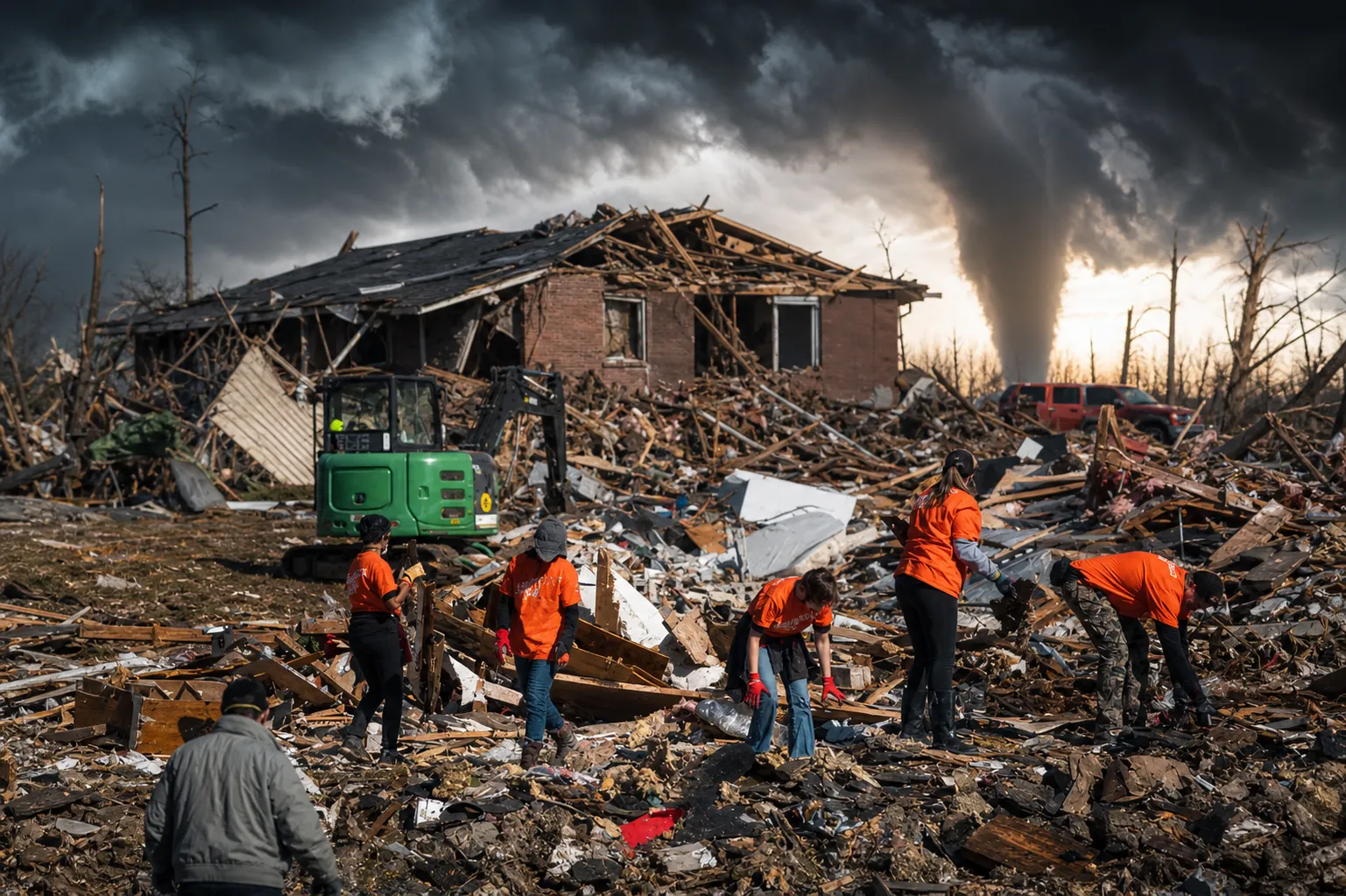
When tornadoes approach Nashville, the city does not rely solely on weather radar and emergency sirens. Instead, it turns to a network of trained volunteer spotters who serve as the community’s eyes and ears during severe weather, providing real-time information that can make the difference between life and death.
The SKYWARN program, established by the National Weather Service, operates one of the most important but often overlooked components of tornado warning systems. These volunteers are trained to recognize tornado conditions and report what they observe directly to meteorologists and emergency managers. Across the nation, SKYWARN consists of between 350,000 and 400,000 trained severe weather spotters who help keep their local communities safe by providing timely and accurate reports of severe weather.
In Nashville and the surrounding region, trained spotters form a critical link in the warning chain. When a tornado watch is issued, indicating that atmospheric conditions are favorable for tornado development, these volunteers position themselves to monitor storms. They learn to identify specific warning signs—rotating wall clouds, funnel clouds, debris clouds at the base of thunderstorms, and other visual indicators that radar alone cannot always capture. The training typically lasts about two hours and covers hazard identification, communication protocols, spotter safety, and strategies for recognizing dangerous storm features.
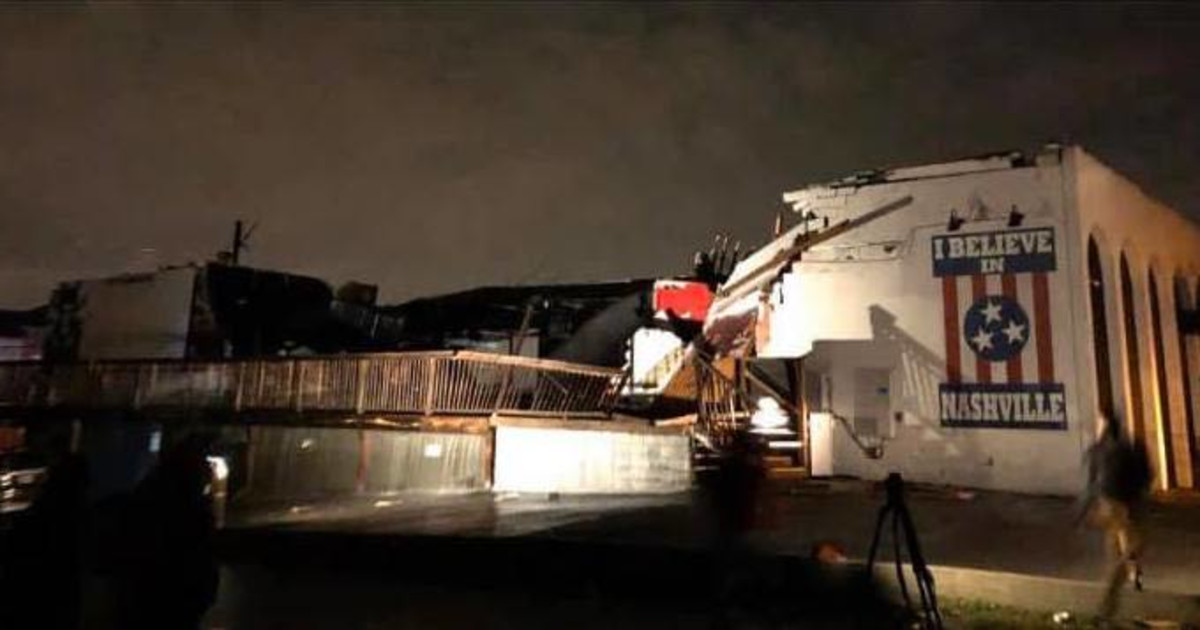
The reason trained spotters remain essential is simple: radar has limitations. While Doppler weather radar can detect rotation and precipitation patterns that suggest tornado potential, it cannot always see what is actually happening on the ground in real time. A spotter’s report of a confirmed tornado allows National Weather Service forecasters to issue a tornado warning with high confidence and specific language about the threat. When a trained spotter reports a tornado on the ground, meteorologists can immediately alert the public with certainty rather than relying solely on radar signatures.
During tornado warnings in Nashville, which are issued when a tornado has been detected by radar or spotted by trained observers, these volunteers often communicate through amateur radio networks that remain functional even when regular telecommunications become disrupted by storms. Some spotters report from fixed locations such as their homes or workplaces, while others monitor conditions from their vehicles. The key is that they maintain organized communication with their local networks and directly with emergency management officials or the National Weather Service.

The volunteers who participate in SKYWARN come from diverse backgrounds. Many are police and fire personnel, emergency dispatchers, EMS workers, and public utility workers. But the program also welcomes concerned citizens with no emergency services background. Amateur radio operators play a particularly important role, as many National Weather Service offices maintain amateur radio stations staffed during severe weather events specifically to receive reports from trained spotters. Other volunteers make reports via cell phone, landline telephone, or the internet.
Nashville’s preparedness system reflects decades of learning from past tornado events. The city installed 93 tornado warning sirens in 1999, the year after a major outbreak, and has since expanded that network. Today, 113 sirens operate across Davidson County, designed to alert those outdoors when a tornado warning is issued. However, these sirens complement rather than replace trained spotters.
The relationship between technology and trained observers represents a balanced approach to tornado safety. Radar shows what meteorologists can deduce from atmospheric patterns. Trained spotters provide ground truth—confirming what is actually happening at street level. Together, radar data interpreted by expert forecasters and real-time reports from trained volunteers create a more complete and accurate picture of tornado threats.
For Nashville residents, this means that when tornado watches are posted, the city’s network of trained volunteers is already activated. These informed citizens are monitoring conditions, watching for specific warning signs, and ready to report immediately if they observe a tornado. During the calm before a storm arrives and even in the midst of severe weather, Nashville’s volunteer spotters are working to give the community precious seconds and minutes of warning—time that can mean the difference between safety and tragedy.