

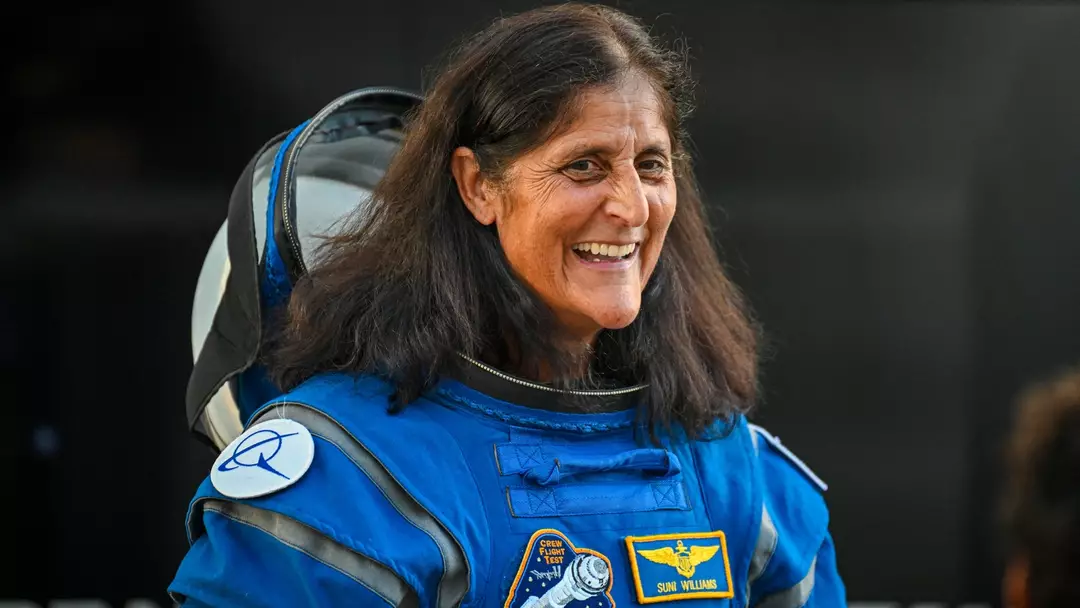
NASA astronaut Suni Williams has decided to retire after an impressive 27-year tenure with the agency, during which she spent a total of 608 days in space.
For most people, the idea of working in space remains a distant dream.
Though the prospect of living on the International Space Station (ISS) and being part of significant scientific discoveries sounds appealing, the journey to get there is challenging.
It demands intellect, physical and mental fortitude, and the capability to stay composed under pressure.
Suni Williams has exemplified these qualities throughout her nearly three-decade-long career at NASA.
This past Tuesday (January 20), NASA announced her retirement, effective December 27.
Williams, aged 60, has embarked on three space missions and conducted nine spacewalks, initially launching aboard the Discovery shuttle in December 2006, as NASA recounts.
Last year, she, along with fellow astronaut Butch Wilmore, gained international attention when their planned eight-day ISS mission encountered complications.
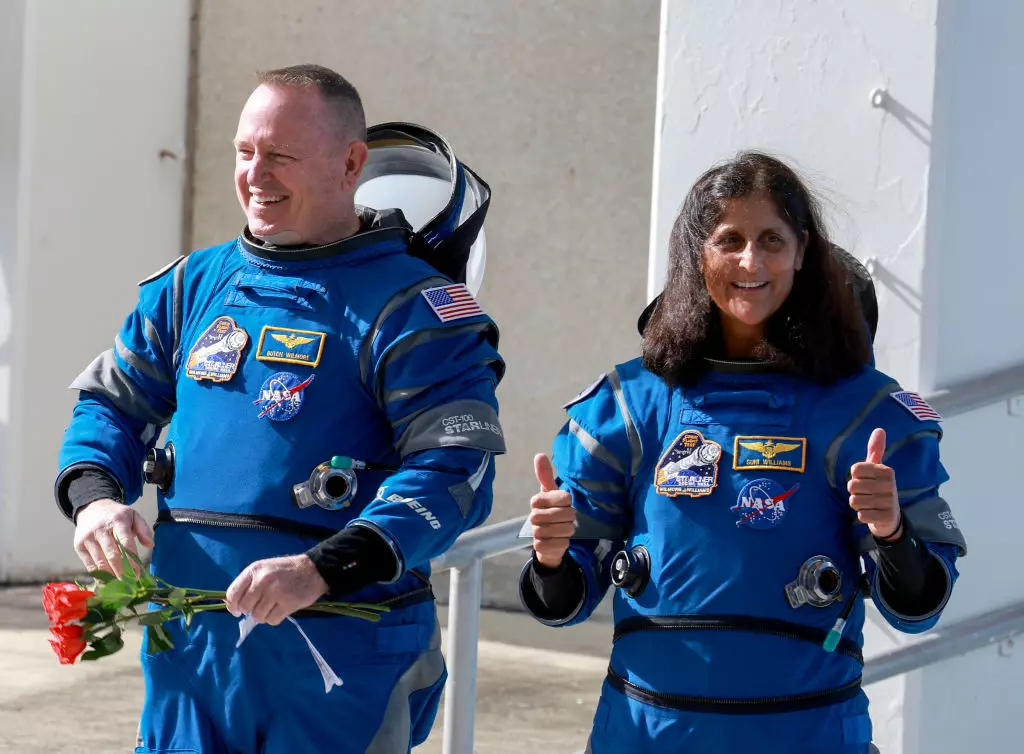
Difficulties with their Boeing transportation capsule prevented their safe return to Earth, extending what was to be a week-long mission into over nine months.
Of Suni’s 608 days in space, 286 days are attributed to this mission alone.
Eventually, Elon Musk’s SpaceX intervened, deploying a Dragon capsule to bring them safely back on March 18, 2025.
Suni ranks second in total time spent in space among NASA astronauts, with only Peggy Whitson surpassing her with 695 days.
Astronauts often experience the ‘overview effect’ while observing Earth from space, which involves profound emotions and realizations about humanity’s existence.
In 2013, Suni shared her thoughts with the National Science Center in India (via The Hindu): “My space expedition has changed my perspective towards people.
“Looking down at the Earth, we could not see borders or people with different nationalities.
“It was then that realization dawned on us that all of us are a group of human beings and citizens of the universe.”
Addressing the new generation of space explorers, she expressed: “I wish I was 20 years younger and started my career all over again. I am envious of them.”
Calling her tenure at NASA an ‘incredible honor,’ Suni remarked about her retirement: “Anyone who knows me knows that space is my absolute favorite place to be.”
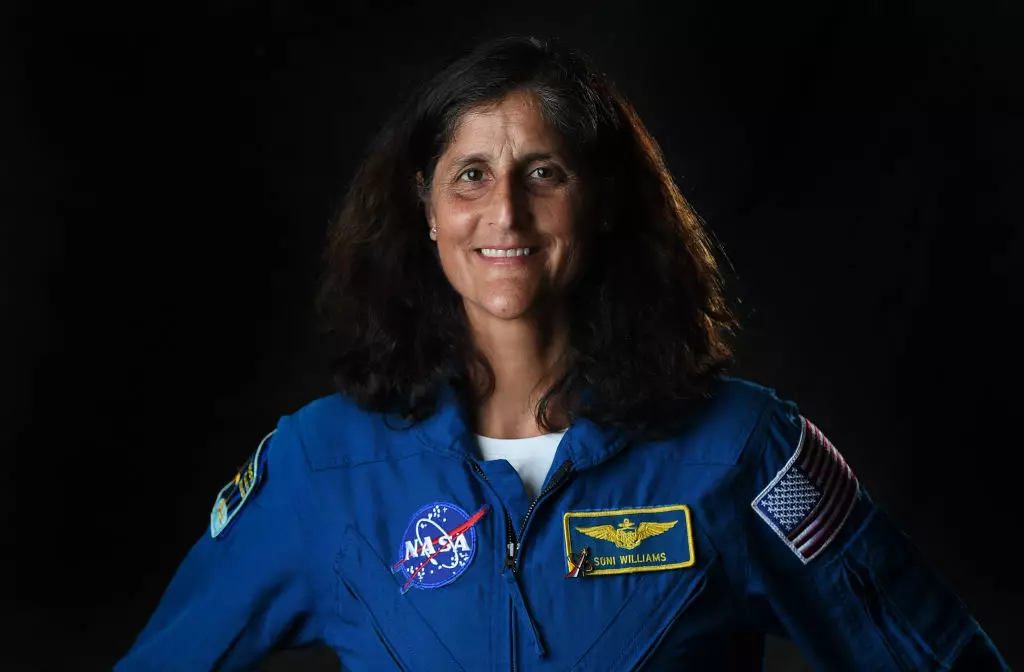
“I had an amazing 27-year career at NASA, and that is mainly because of all the wonderful love and support I’ve received from my colleagues.
“The International Space Station, the people, the engineering, and the science are truly awe-inspiring and have made the next steps of exploration to the Moon and Mars possible.
“I hope the foundation we set has made these bold steps a little easier.”
Suni’s other significant contributions include spending nine days in an underwater habitat with NASA’s Extreme Environments Mission Operations crew and overseeing operations at Russia’s Star City space training center.
Before stepping down in December, she also assisted in developing helicopter training platforms to prepare astronauts for future Moon landings.
“I am super excited for NASA and its partner agencies as we take these next steps, and I can’t wait to watch the agency make history.”