

William Standish, 28, an Australian attempting to thru-hike the Continental Divide Trail, was found dead in remote Wyoming terrain.
Standish, 28, of Australia, was attempting to thru-hike the Continental Divide Trail after setting out from Canada earlier this summer.
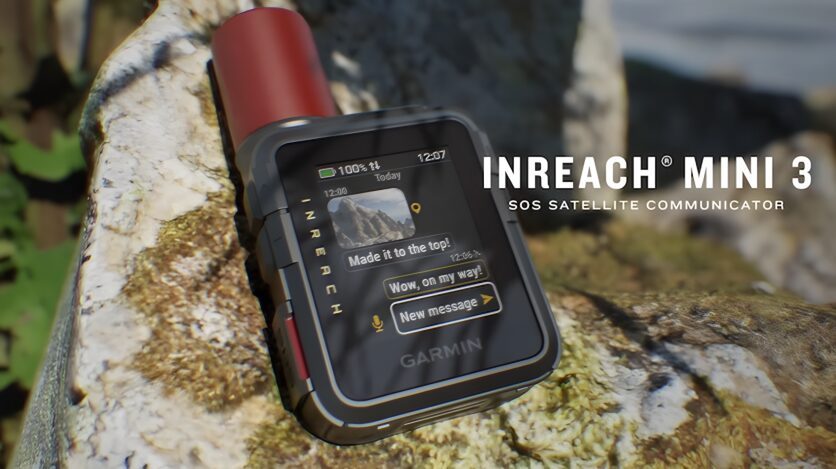
He had been documenting his journey using a Garmin satellite device, regularly checking in with family in Australia.
On July 19, Standish posted an update from near Old Faithful in Yellowstone National Park, outlining plans to continue through the Tetons, the Gros Ventre Wilderness, the Wind River Range and Divide Basin as he made his way south on the Continental Divide Trail.
The routine communication stopped abruptly.
His family received one final Garmin check-in on July 23, but it contained neither coordinates nor a message.
During the same period, they also received a video through Facebook Messenger that they believed placed him in the Tetons.
When they heard nothing further — a break from his normal communication pattern — they became concerned and the family contacted Yellowstone and Grand Teton park officials Monday.
The silence extended through the week.
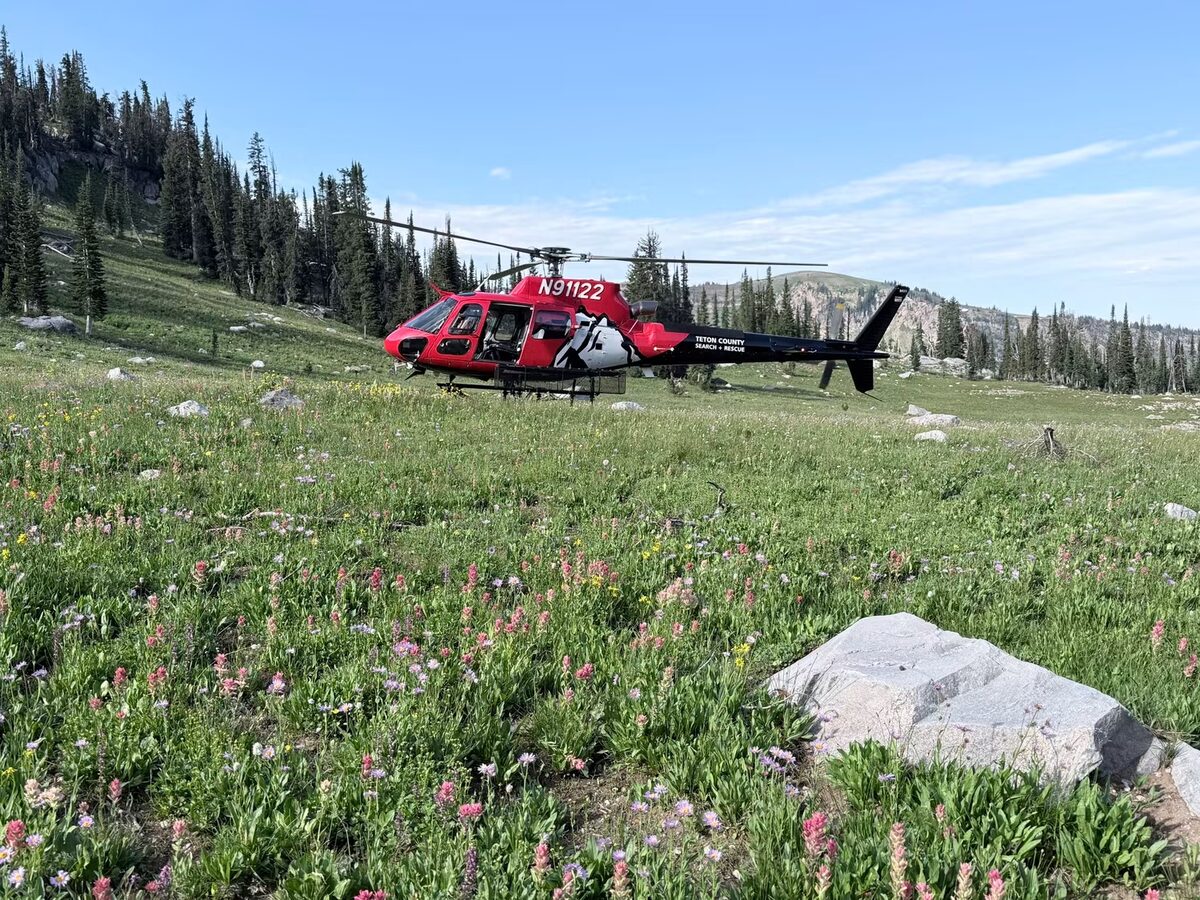
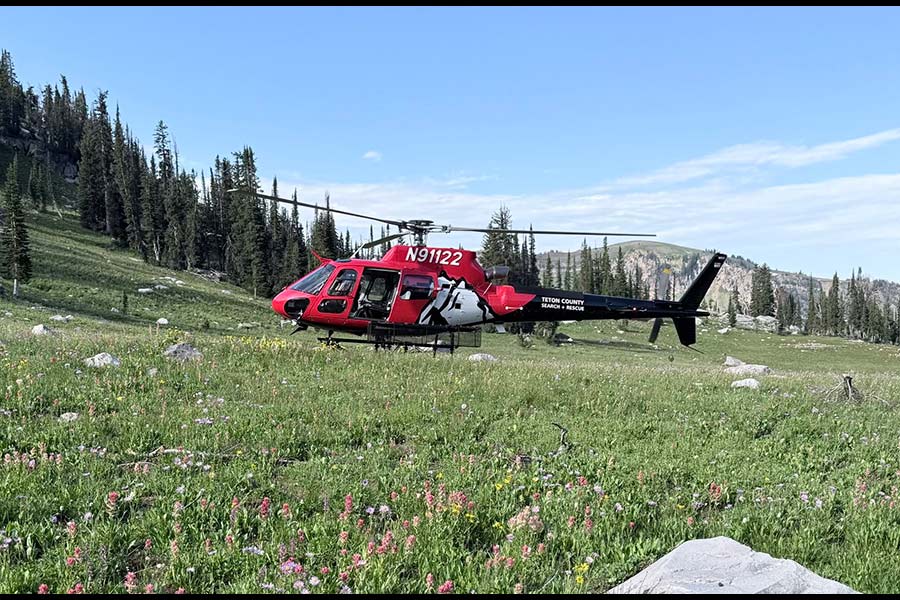
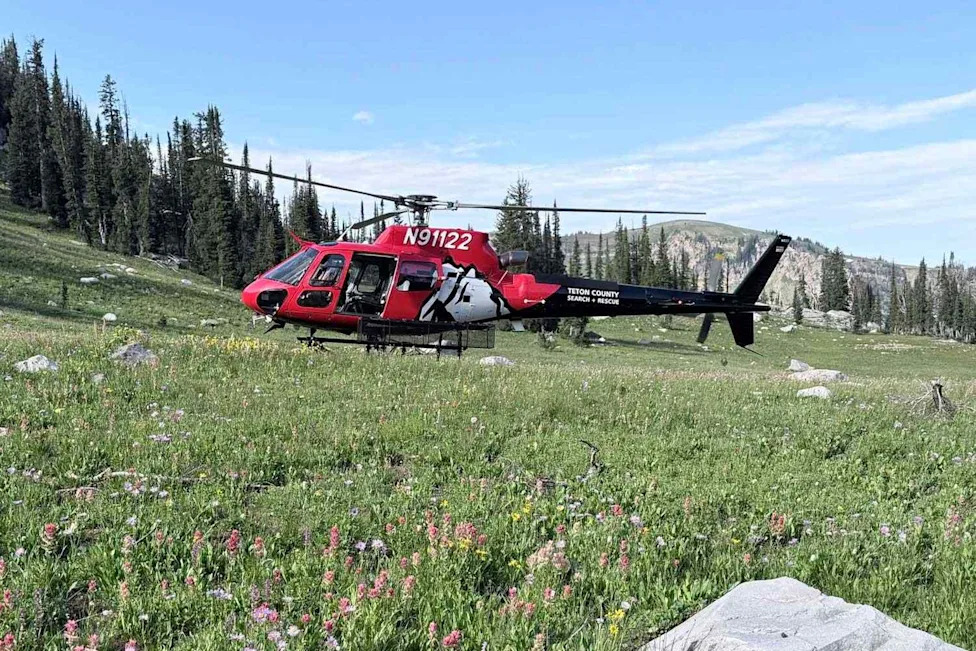
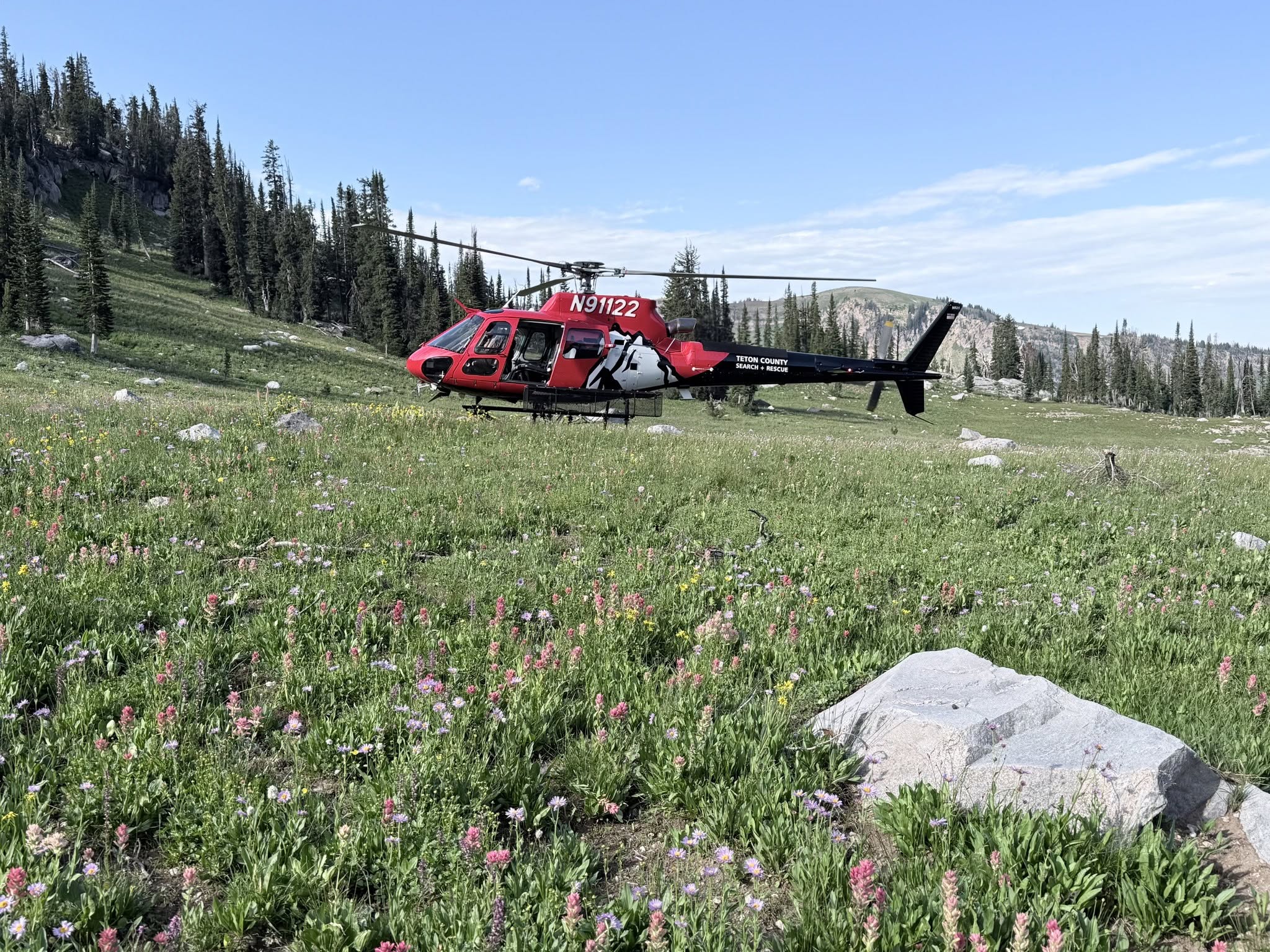
A Teton County Search and Rescue helicopter short-haul team flew to Standish’s last known location Wednesday morning, from the air spotting a bright orange backpack they believed belonged to him before locating his body below a ridge south of North Wigwam Peak.
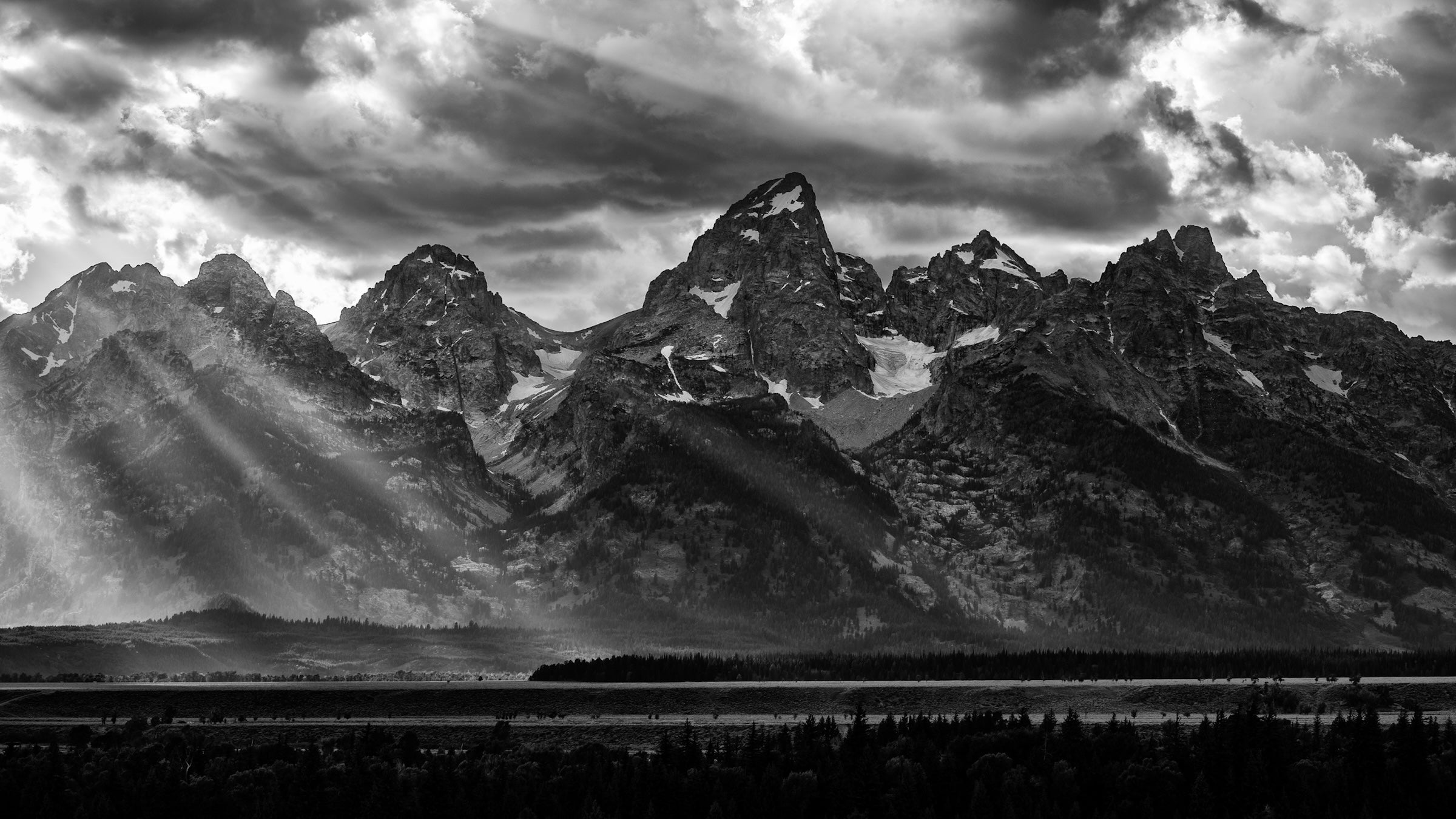
The search concluded at about 8:20 a.m. Wednesday on the remote trail system between Yellowstone and Grand Teton National Parks.
Standish’s background painted a picture of experience and capability.
His family described him as an experienced backpacker capable of hiking 25 to 30 miles a day.
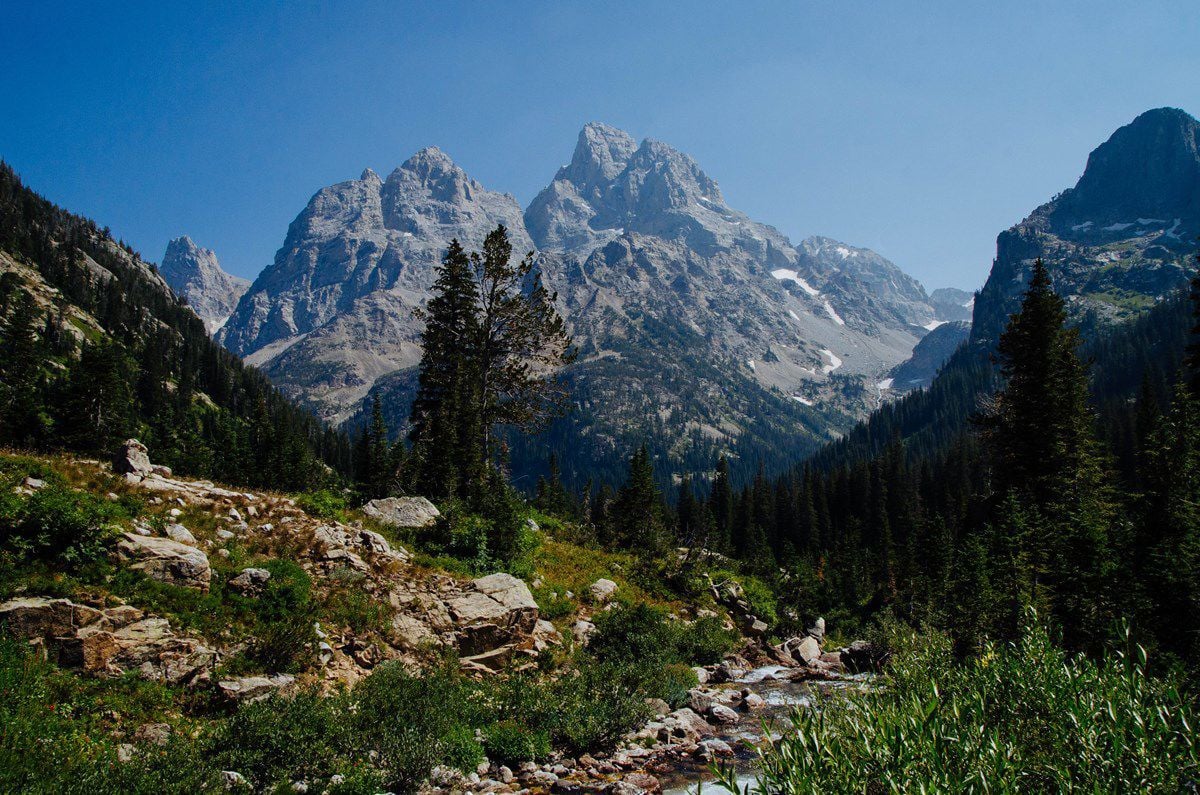
The Wigwams are a group of rugged, high-elevation peaks just west of Grand Teton National Park, above where Cascade Canyon splits into its north and south forks.
Elevations in the area exceed 10,800 feet, making the terrain both physically demanding and technically challenging.
Standish went missing along the rugged Wigwam Traverse—a high-altitude, off-trail alternate route along the Grand Teton boundary.
What happened on that exposed ridge remains officially undetermined.
The Teton County Coroner’s Office has not determined a cause of death, though rescuers said evidence at the scene suggests Standish may have fallen from a steep, high-elevation ridge separating Grand Teton National Park and the Jedediah Smith Wilderness.
The investigation process followed established protocol.
Investigators determined that the Garmin tracking points on July 23 placed the hiker near the Wigwams and transferred the case to search and rescue, which has jurisdiction over operations outside the national parks.
On Wednesday morning, search and rescue assembled a helicopter team and flew to Standish’s last known location.
The orange backpack visible from the air proved critical.
From the air, the team spotted a bright orange backpack and soon found Standish below the ridge south of North Wigwam Peak.
His body was recovered and transported to search and rescue headquarters in Jackson, Wyoming, before being transferred to the Teton County Coroner’s Office.
The agency expressed its response to the outcome.
“TCSAR sends its sincere condolences to the family and friends of the deceased, and wishes to express its gratitude to the partnering federal agencies who assisted in the investigation,” the organization said.
Standish’s story illustrated both the appeal and the dangers of thru-hiking America’s most remote trails.
Standish had set out from Canada earlier this summer on a southbound thru-hike of the Continental Divide Trail — a roughly 3,100-mile route that threads the Rocky Mountains from the Canadian border in Montana to the US-Mexico border in New Mexico.
Thru-hikers like Standish attempt to complete the route in a single continuous push, typically taking between two and seven months, stopping only to sleep and resupply.
The trail’s reputation for being technically unfinished and demanding meant Standish had chosen terrain that required extreme care at every step.
The recovery closed a six-day gap in which a family on another continent watched for messages that never came, contacted park officials when silence became alarming, and ultimately gave investigators a narrow window: the last known location embedded in a satellite device’s tracking record.
The device he carried to stay connected had done something remarkable in death that it could not do while he was dying: it left a trace narrow enough to search.
The coroner’s full findings remain pending.