

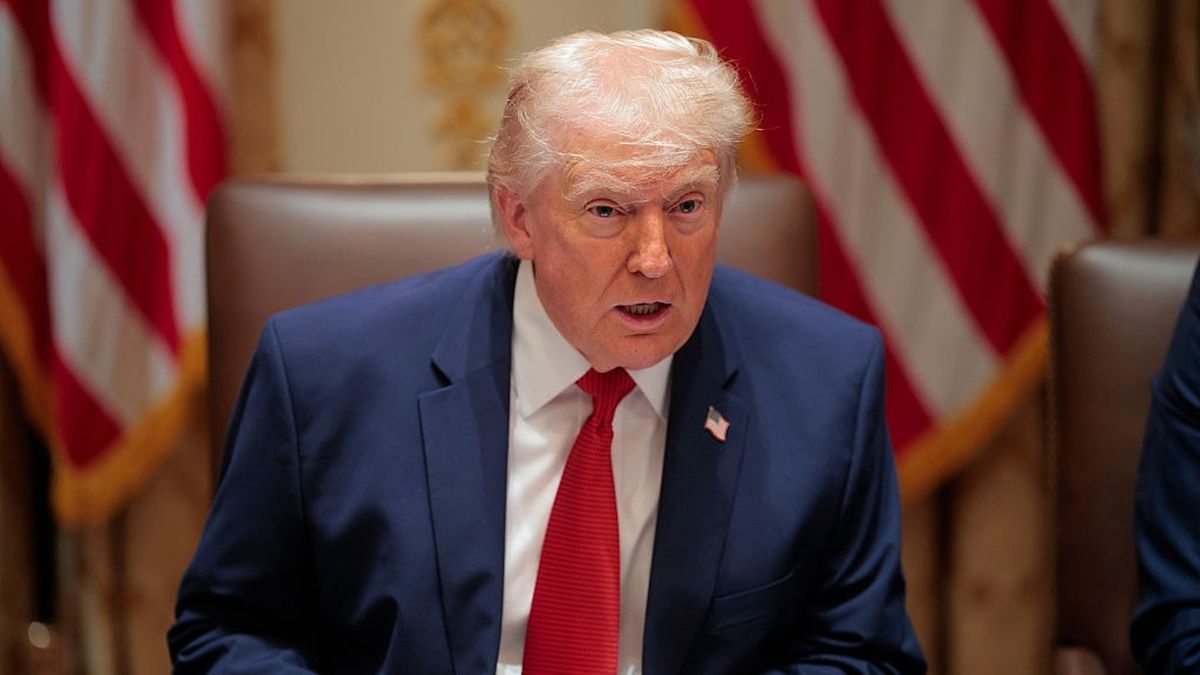
Prime Minister Anthony Albanese has criticised Donald Trump over the ongoing conflict with Iran, urging the US President to clarify what the campaign is meant to achieve.
The fighting involving Iran, the US and Israel has now moved into its second month, despite earlier claims from the President that it would be resolved in a matter of days.
With no clear conclusion emerging, the situation has become increasingly complex as other countries assess where they stand and what the conflict is trying to accomplish.
The latest escalation traces back to February 28, when Israel and the US began launching missile strikes on Iran. Iran later responded with retaliatory attacks targeting US bases in nearby nations.
In recent reports, the Department of War is said to be preparing for possible ground operations, with thousands of US soldiers and Marines deployed to the Middle East.
But as the war expands and the stated aims appear to shift, some governments have indicated they are finding it difficult to offer backing without a clearer end goal.
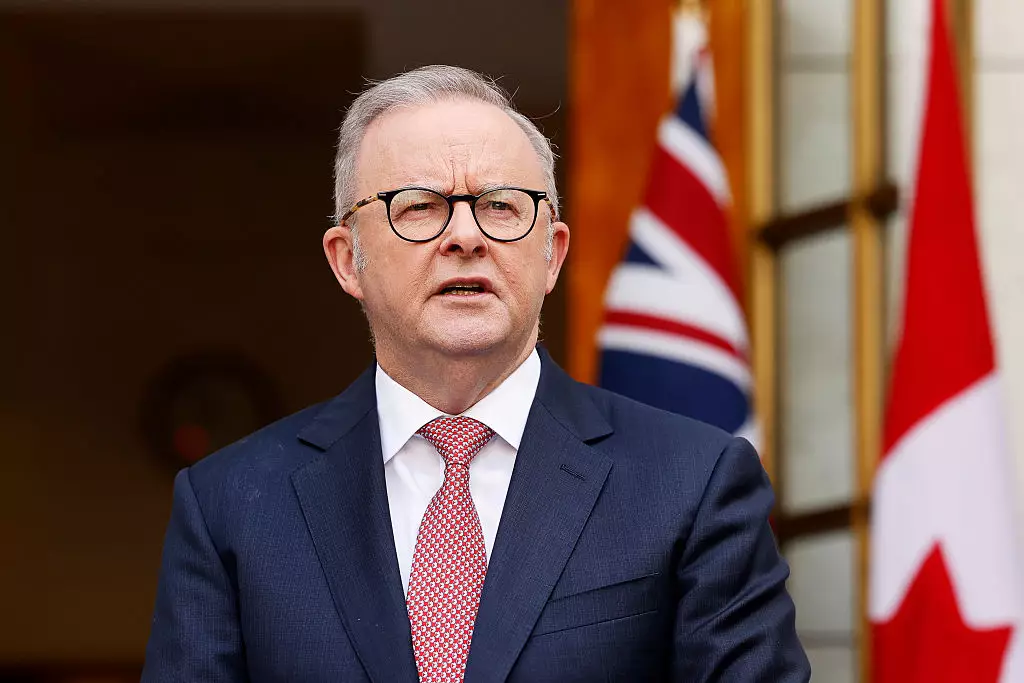
Speaking in Canberra on Monday (March 30), Albanese called for “more certainty” from Washington about its objectives in Iran, while cautioning that forcing regime change would be an extremely challenging undertaking.
Although the Prime Minister reiterated that stopping Iran from obtaining a nuclear weapon matters, and noted his opposition to Iran’s leadership, he also stressed that de-escalation should be the priority.
“I want to see more certainty in what the objectives of the war are, and I want to see a de-escalation,” he said. “A de-escalation is in the global economy’s interest. I have nothing but contempt for the Iranian regime.”
Describing externally driven regime change as “very difficult,” Albanese argued that the original goals were narrower than more recent rhetoric suggests.
“At the beginning of the conflict the objectives were outlined as one: stopping Iran from getting a nuclear weapon, which has been clearly achieved.”
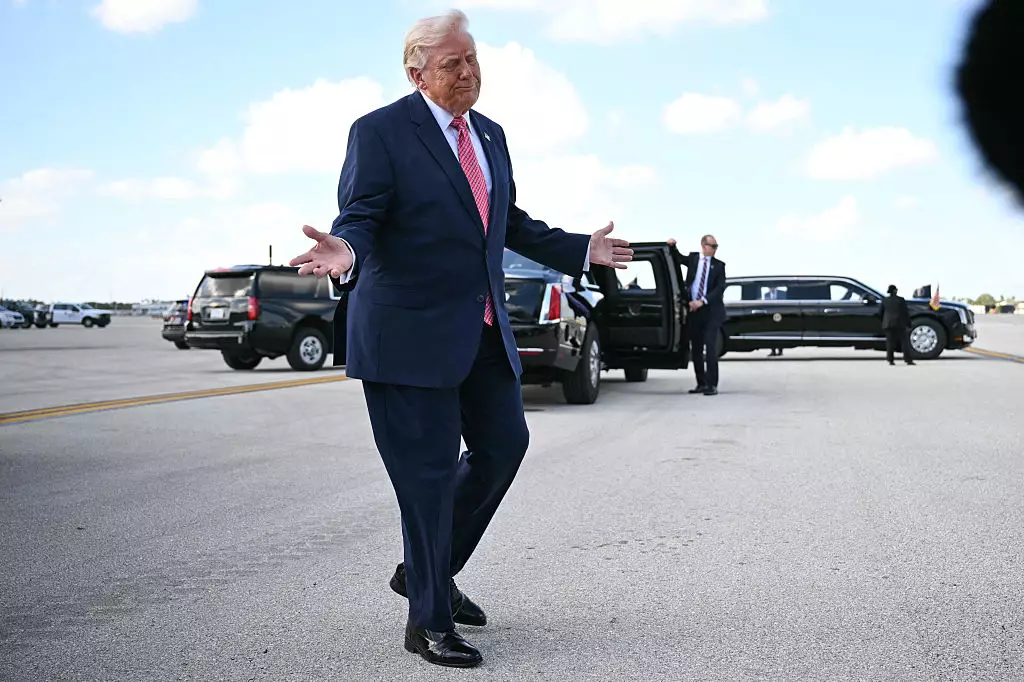
He then outlined what he said were subsequent aims of the military action, including weakening Iran’s ability to operate directly or through aligned groups.
“Secondly, degrading the opportunity that Iran has for engaging in military action, either overt or through its proxies in Hezbollah, Hamas and the Houthis. Clearly there has been a substantial degrading of Iran’s position.
“The third was regime change and I think that, very clearly, history tells us that regime change imposed from outside is very difficult.”
He added that if regime change is now part of the plan, the US should spell out whether it is genuinely pursuing that outcome.
However, he went on to say that ‘whether that is going to occur or not is something that I think needs to be outlined’.
In the most recent update from Trump, he claimed the US was engaged in ‘productive talks’ with Iran aimed at ending the conflict. Iran has rejected that account, insisting that no negotiations are underway and stating it is prepared to confront US forces if they enter the country.
The White House has been contacted for comment.