

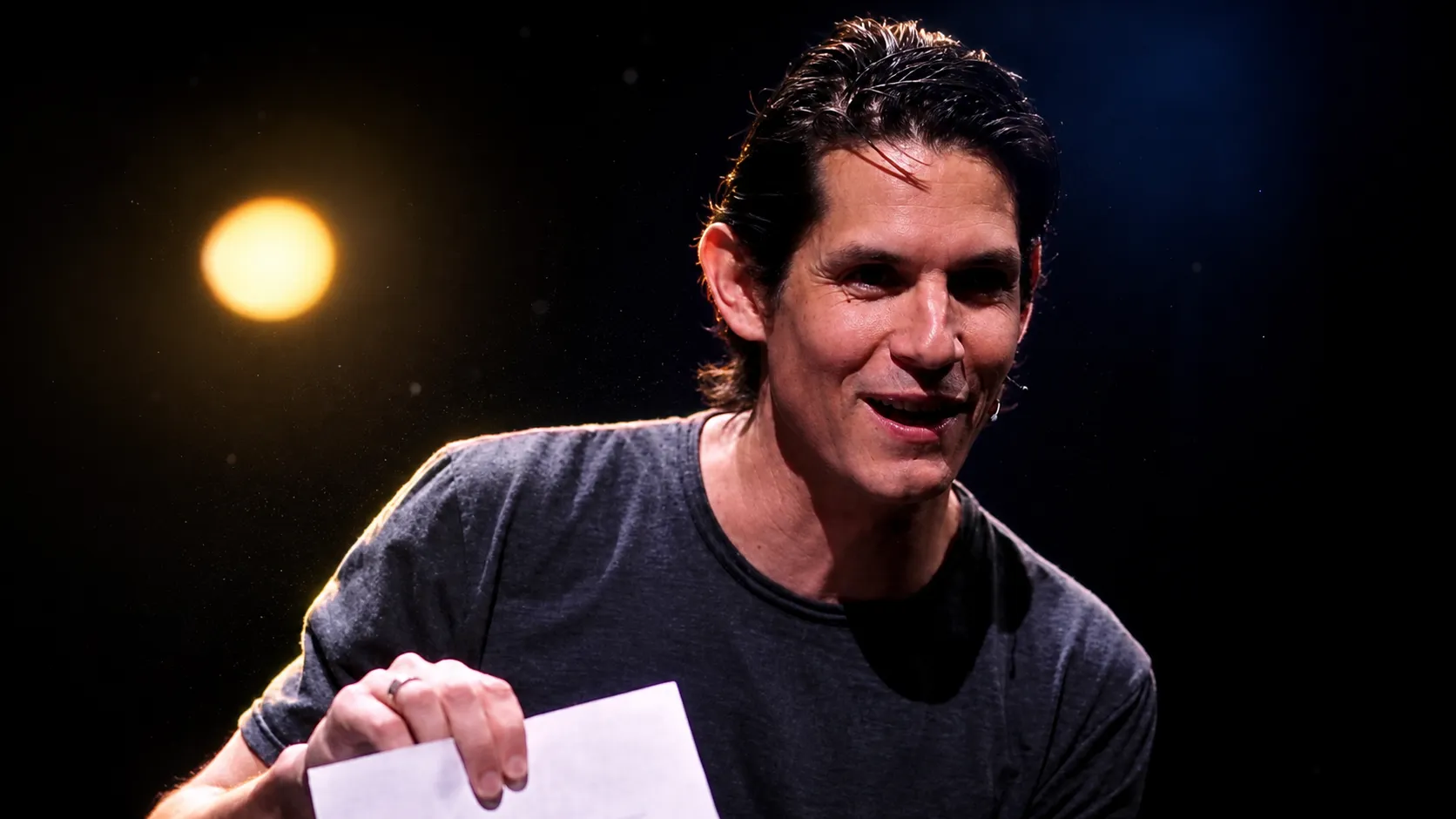
Most people would throw away a junk-mail cheque for $95,093.35 without a second thought. Patrick Combs did the opposite, and his decision led to a bizarre bank saga with very real money at the centre of it.
Unless you have a ‘No junk mail’ sign on your front door — and even that often does little to stop the flood — unwanted post usually goes straight in the bin.
Back in 1995, though, Patrick Combs paused when he noticed a letter from a ‘get-rich-quick company’. Rather than toss it out, he looked at it more closely.
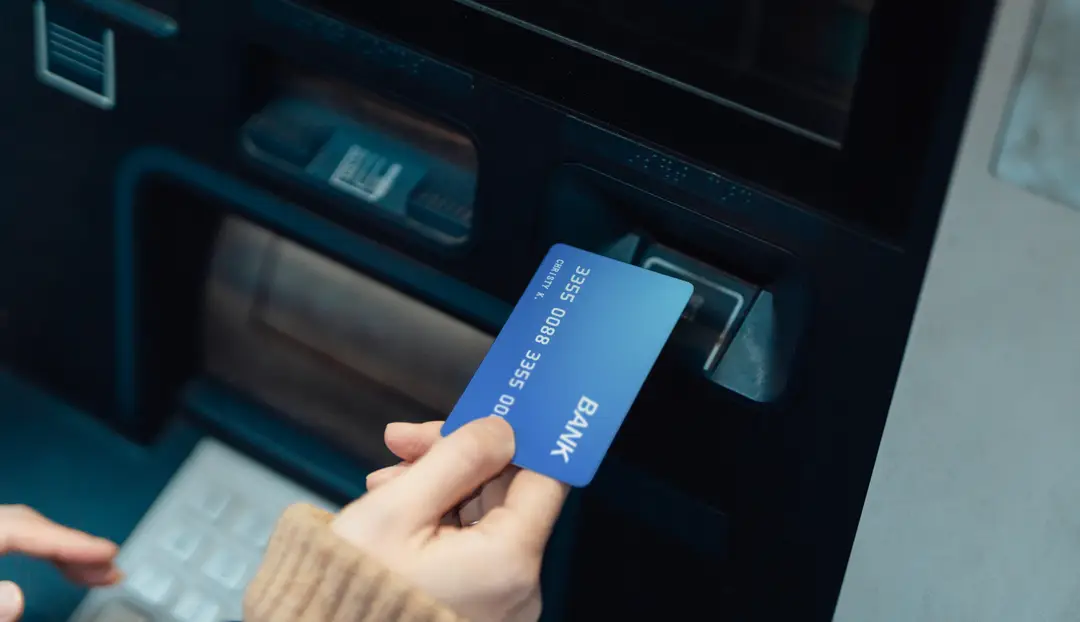
The mailing included a promotional cheque for $95,093.35 marked “NON-NEGOTIABLE”. Combs, then a San Francisco author, later said he treated the whole thing as a joke and deposited it at his bank’s ATM.
What started as a bit of mischief quickly became something much bigger.
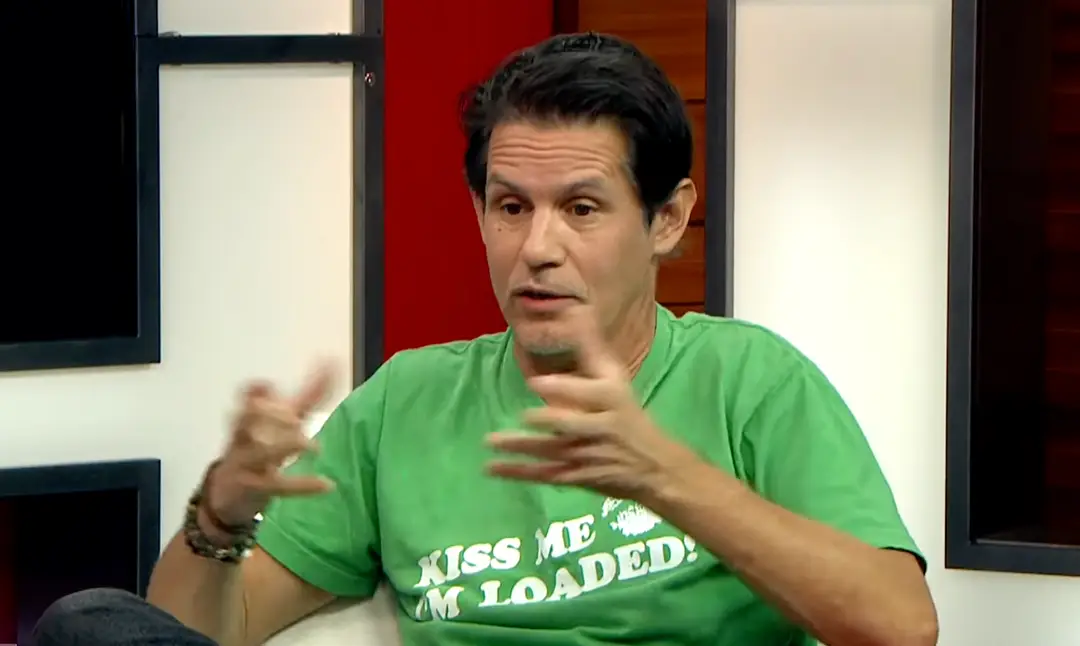
Writing in the Financial Times, Combs later said:
“I’d never had so much fun at my bank.”
After making the deposit, he more or less forgot about it. He assumed the bank would soon contact him to say the cheque was worthless, but nothing happened.
Then, five days later, he used an ATM to withdraw cash and discovered his account balance had jumped by $95,093.35.
Unsure what to make of it, he asked friends for advice.
One told him banks often credit an account before a cheque fully clears, and that during processing the payment would likely be reversed.
But after a week, the money was still there.
Patrick revealed:
“I visited the bank where an employee told me that the funds were now all available for cash withdrawal. All $95,093.35 was mine for the taking.”
Even then, he didn’t immediately drain the account. He waited another two weeks, expecting the bank to spot the error and reverse it.
Instead, three weeks after the deposit, his bank manager reportedly told him:
“You’re safe to start spending the money, Mr Combs. A cheque cannot bounce after 10 days. You’re protected by the law.”
That turned out to be incorrect, although the actual rules were different from what the bank told him. Under the Uniform Commercial Code, the key timing issue was the bank’s return deadline after presentment, not a blanket 10-day rule. And even a cheque printed with the words “non-negotiable” was not necessarily meaningless if it otherwise met the legal definition of a cheque.
That raised another obvious question: if the funds really had come from the promotional sender’s account, had the issuer noticed? And what would happen next?
Combs expected the cheque issuer to come after him. Instead, he said it was the bank that reacted ‘quite unexpected[ly]’. He claimed it ‘confiscated’ his card, blocked access to his account and sent a ‘very, very angry’ man to ‘call on’ him.
According to Combs, the bank’s senior security officer even ‘threatened to send policeman’ to his home unless the money was handed back.
By that point, however, Combs had already withdrawn a cashier’s cheque and placed it in a deposit box ‘for safe keeping’.
He said he would have returned the money immediately if the branch manager had simply called and asked with ‘politeness, courtesy and compliments,’ but the arrival of ‘their attack dog’ only made him dig in.
“My stance was, ‘No letter taking responsibility for your mistakes, no return of the money which is legally mine,’ he added.
The standoff soon attracted attention. Combs appeared on programmes including Good Morning America and ABC Nightly News, and he said ’99 per cent’ of people supported his refusal to back down.
He had hoped for ‘a pleasant resolve with the bank over lunch’, but said a lawyer was sent instead.
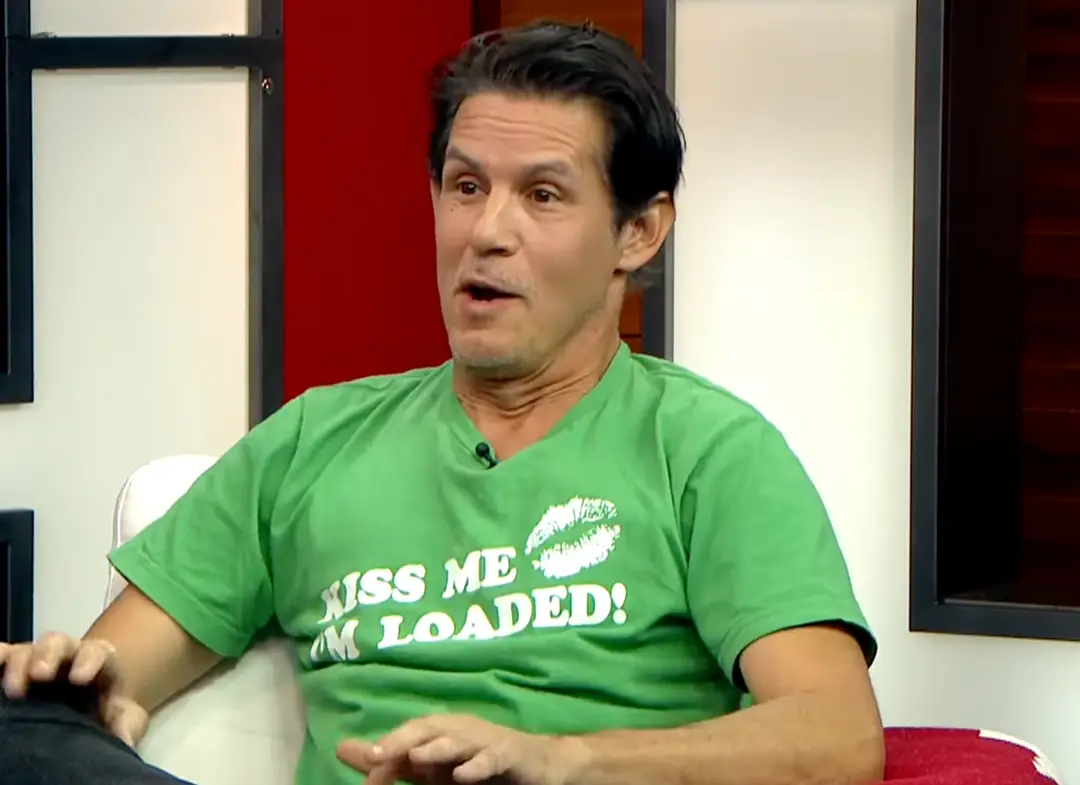
In the end, despite the legal grey area that might have allowed him to keep the money, Combs chose to return it on the day of the OJ Simpson verdict, according to SFGate.
He later explained that he did not want to be remembered as the ‘loophole guy’.
The bank eventually sent him a letter accepting that it had made mistakes and was at fault, but that was all he got.
“It was so perfect. So flat. There was no reward whatsoever for doing the right thing. It was like I was winning something by giving away the prize,” he added.
Although he did not keep the cheque money, the experience ended up paying off in another way. The story became the basis for a one-man show, Man 1, Bank 0, which Combs toured for years and later used as the centrepiece of his speaking career.
On his own website, Combs says the show is no longer touring, but the story still remains part of the act that made his name.
Patrick resolved:
“Therein lies an irony. I owe despicable banks so much. Not just for the blunders that are the very basis of my show but also for the actions that have continued to create a ripe environment for my show for 10 years and counting.”
Some might say that part was priceless.