

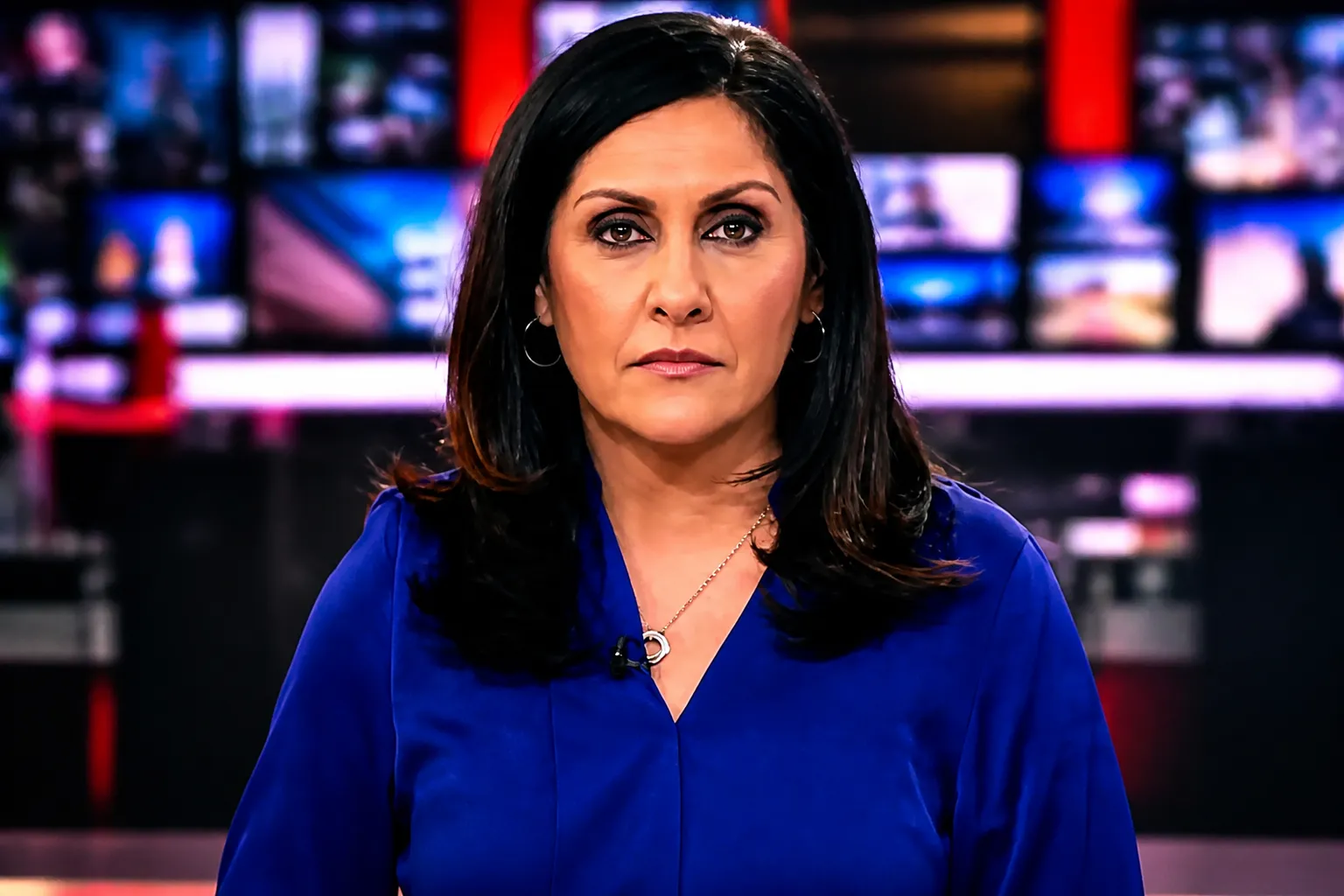
Maryam Moshiri has revealed she is living with incurable blood cancer.
The BBC News presenter, 49, said she received her diagnosis in November 2024 and has spent the past two years managing treatment while continuing her on-air duties. Moshiri disclosed she has Polycythaemia vera, a rare form of cancer that attacks bone marrow and causes blood to thicken beyond normal levels.
While doctors have made clear the disease cannot be cured, Moshiri emphasized it can be controlled as a chronic condition. The mother of three has continued her prominent role at the broadcaster throughout her treatment.
Moshiri spoke directly about her determination to maintain her professional life alongside her health battle. She told the newspaper:
“I don’t want to allow cancer to stop me from doing my work.”
The presenter has kept her diagnosis largely private until this disclosure, choosing to continue appearing on BBC News without public discussion of her condition. Her decision to speak out now marks a significant shift in how she has handled the disease publicly.
Polycythaemia vera affects the body’s blood-producing system, creating excess red blood cells that increase clotting risk and can lead to serious complications including stroke or heart attack. The condition progresses slowly in many patients, allowing for extended periods of management through medication and regular monitoring.
Moshiri’s case follows a pattern familiar to many working people diagnosed with manageable cancers, where treatment schedules must accommodate professional commitments. Her continued presence on BBC News throughout the two-year period since diagnosis demonstrates how she has integrated medical care into her existing routine.
The presenter did not indicate any plans to step back from her role, instead framing her approach around maintaining normalcy where possible. Her comments suggest she views her diagnosis as something to work around rather than surrender to.
Blood cancers as a category affect tens of thousands of people annually in the UK, with Polycythaemia vera representing one of the rarer subtypes within that group. The condition’s classification as incurable but manageable places patients in a particular medical category where long-term survival is common but vigilance remains essential.
Moshiri’s disclosure adds her name to a growing list of public figures who have chosen to share cancer diagnoses, sometimes years into their treatment. These revelations often serve dual purposes of explaining visible changes and reducing stigma around living with serious illness.
The BBC has not issued any statement regarding Moshiri’s revelation, and the presenter has not indicated whether her disclosure will lead to any on-air discussion of her condition. Her interview appears to be her primary vehicle for sharing the news.
Moshiri’s career at the BBC has spanned significant news events, with her regular presenting shifts making her a familiar face to the broadcaster’s audience. Her decision to continue working through treatment reflects both personal resilience and the practical realities of modern employment for many cancer patients.
The presenter joins other BBC figures who have publicly discussed cancer experiences, contributing to broader conversations about illness in the workplace. Her specific choice to emphasize continued work rather than medical specifics offers a particular framing of how public figures navigate health disclosures.
Moshiri’s two-year timeline from diagnosis to public revelation suggests a deliberate period of adjustment before speaking openly. The November 2024 date she provided indicates she received news of her condition during a particularly busy period in the news calendar.