

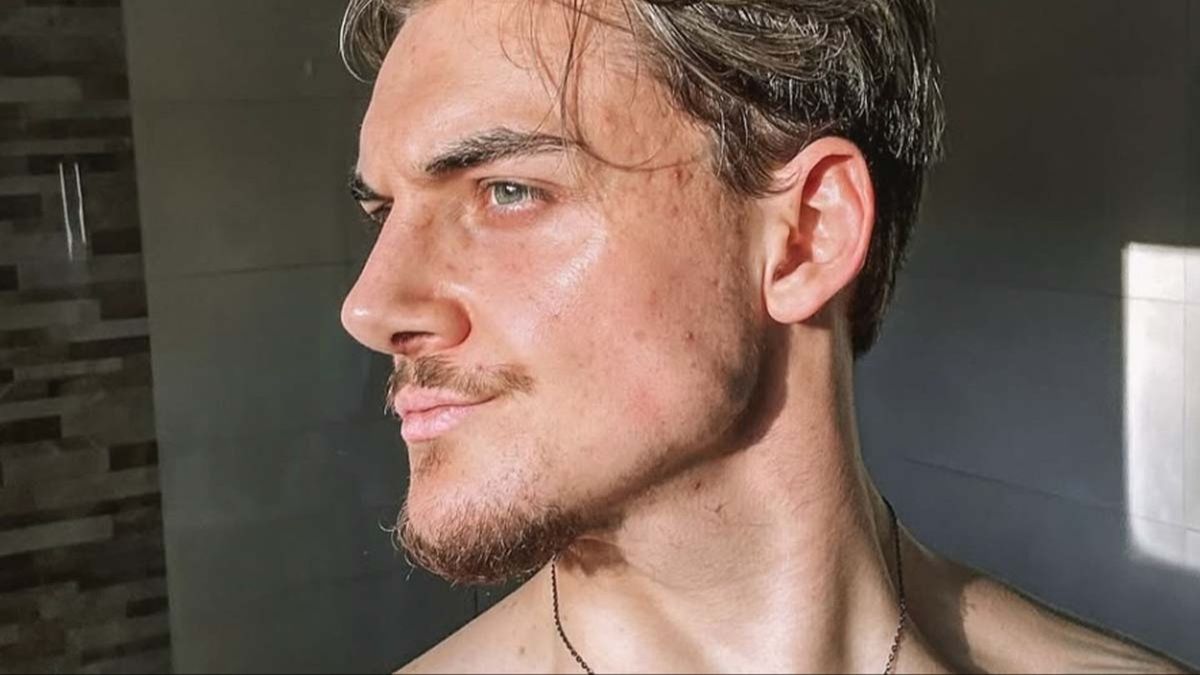
Looksmaxxing is a term many people have only just come across, but there’s now another related phrase doing the rounds — hardmaxxxing — and experts say it should come with a serious warning.
Looksmaxxing is a relatively recent trend that centres on men trying to improve, or “maximise,” their physical appearance.
Its popularity has been fuelled by influencer-led and social-media-driven beauty culture, where participants share techniques they believe will make them appear “more attractive.”
Common goals include a sharper-looking jawline, more prominent cheekbones, and plumper lips.
People pursuing these changes may focus on things like a consistent skincare routine or facial exercises. In some online spaces, it can also involve users rating one another’s looks and offering blunt advice on what to “fix.”
So if that’s looksmaxxing, what exactly is hardmaxxing?
Hardmaxxing is essentially a more extreme version of appearance-focused “optimisation,” and can mean changing how you look at what one expert describes as “the most extreme level,” Annabelle Taurua, Beauty Expert at Fresha said.
Unlike more everyday grooming habits, these steps can involve procedures that are often described as permanent, or at least difficult to reverse.
Annabelle notes that hardmaxxing can include invasive, higher-risk options such as jaw surgery or rhinoplasty (nose surgery).
But she also cautions that it isn’t limited to surgical procedures. It can extend into other drastic approaches, including: “hormone use, or aggressive physical alterations aimed at changing or reshaping both facial and body structure.”
As with any major cosmetic intervention, there are risks — and that’s where experts say the conversation becomes especially concerning.
“This is where the line between healthy self-improvement and dangerous modifications becomes a cause for concern,” Annabelle warned.
“Especially when messaging from online figures promotes extreme solutions that are aimed at younger or more impressionable audiences,” she added.
She advises that anyone considering these kinds of treatments should move carefully, do thorough research, and seek guidance from qualified professionals.
Another issue, she says, is the tone used in some online communities, where hardmaxxing can be framed in a detached way — more ‘transactional’ and ‘clinical’ than personal and health-focused.
Annabelle and other experts have raised concerns that discussions online can gloss over what recovery actually looks like, along with the potential long-term impacts — with risks sometimes ignored or ‘downplayed’.
Her message is that these choices shouldn’t be treated like casual lifestyle tweaks, but recognised for what they are: ‘serious and potentially life-altering medical decisions’.
And in her final warning, she said: “The concept of optimisation should never come at the expense of safety or wellbeing – treatments are there to support wellbeing and make us feel good.”
Meanwhile, a number of well-known online personalities continue to promote looksmaxxing-style content, including Clavicular.
He frequently shares tips aimed at boosting perceived attractiveness, as more dangerous ideas — such as ‘bone-smashing’ — gain traction.
The practice involves men intentionally striking their jaws and cheekbones in an attempt to create a more sculpted, angular appearance.